Vernacular Architecture in America: A Tradition Rooted in Adaptation

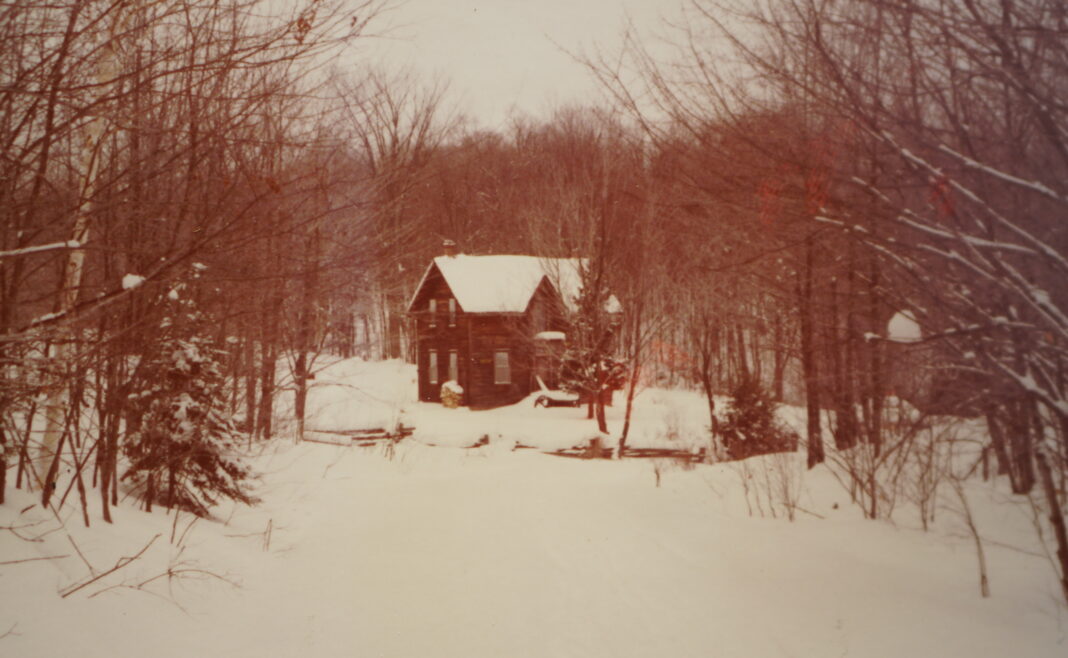
Vernacular architecture, Nipissing, Ontario
This is vernacular architecture from the late 1880s in Northern Ontario. Pioneers built their own homes from a government-supplied blueprint. Is it really vernacular then?

Vernacular architecture refers to structures built using local materials, knowledge, and cultural influences rather than formal architectural styles. It is often associated with deep-rooted traditions, yet in a country like the United States—where many people have historically lived in temporary or nomadic housing—one might ask: Does America even have a vernacular architectural tradition? How can nations like the U.S. and Canada, with their histories of migration and cultural diversity, engage in a meaningful dialogue about vernacular design?

Unlike many older nations with centuries-old villages, America’s architectural landscape has been shaped by movement. From Indigenous structures to frontier settlements, and later, urban and suburban expansion, American vernacular architecture is defined not by a singular aesthetic but by adaptability. Rather than a lack of tradition, the U.S. has a diverse set of regional architectural practices that reflect its people, geography, and history.

Five Examples of Vernacular Architecture in America

1. Indigenous Dwellings: Tipis, Longhouses, and Adobe Structures

Before European colonization, Indigenous peoples built structures suited to their environments. The Lakota and other Plains tribes used tipis—portable dwellings made from buffalo hides and wooden poles—ideal for their nomadic lifestyle. The Iroquois built longhouses, communal wooden structures reflecting their agricultural and social traditions. Meanwhile, Pueblo communities in the Southwest created adobe dwellings, using sun-dried earth bricks that provided insulation against extreme temperatures.

2. Shotgun Houses (Southern United States)

Found primarily in Louisiana and Mississippi, shotgun houses are narrow, single-story homes with rooms arranged in a straight line. They are thought to have origins in West Africa and the Caribbean, brought to the U.S. by enslaved Africans. The design allows for natural ventilation, making them well-suited for the hot Southern climate.

3. Log Cabins (Appalachia and the Frontier)

Log cabins were a staple of early American settlers, particularly in the Appalachian region. Built from readily available timber, they were simple, durable, and easy to construct with basic tools. The log cabin has since become an iconic symbol of American pioneering spirit.

4. Earth-Sheltered Homes (Southwest and Midwest)

Using the landscape for insulation, earth-sheltered homes—like sod houses built by settlers on the Great Plains—were a response to the lack of trees and extreme weather conditions. Indigenous Navajo hogans also utilized earthen materials for thermal efficiency and spiritual alignment with nature.

5. Bungalows (California and the Midwest)

In the early 20th century, the American bungalow became a popular vernacular style, especially in California. Influenced by Indian and British designs, these single-story homes used local materials and were affordable for middle-class families, demonstrating how vernacular architecture adapts to economic and social needs.

How Do We Dialogue Vernacular Architecture in the U.S. and Canada?

Given America’s history of migration and cultural blending, the idea of vernacular architecture must be understood not as a static tradition but as an evolving conversation. Countries like the U.S. and Canada can participate in this dialogue by: Recognizing Indigenous Contributions: Acknowledging that Indigenous structures formed the foundation of North American vernacular architecture and integrating traditional ecological knowledge into modern design. Valuing Regional Differences: Instead of a one-size-fits-all approach, promoting architecture that responds to local climates, materials, and cultural histories.

Embracing Sustainability: Many vernacular traditions were inherently sustainable, using passive design techniques and local resources—principles that can inform contemporary green architecture. Preserving Historic Structures: Supporting the restoration and adaptive reuse of vernacular buildings to maintain cultural continuity.


 

LEAVE A REPLY

Please enter your comment!
Please enter your name here

TRENDING

Astro uses AI to help procure land for renewable energy

For oil-rich, environmentally vigilant Gulf states, Astro isn’t just another startup story. It is a blueprint for accelerating an energy transition that is now existential, not optional.

The Science Behind How Elite Marathon Runners Train

Discover the science behind elite marathon training. Explore techniques, nutrition, and mental strategies that propel top runners to success.

Earth building with Dead Sea salt bricks

Researchers develop a brick made largely from recycled Dead Sea salt—offering a potential alternative to carbon-intensive cement.

The Christ’s thorn (sidr tree) is also a well-known folk medicine

Christ’s thorn jujube (Ziziphus spina-christi) also known as the sidr tree is a real, identifiable tree native to the Middle East, and it appears—directly or indirectly—in Islam, Judaism, and later Christian tradition. The connections between the three faiths are not theological agreements but overlapping uses, names, and symbolic associations rooted in the same landscape.

Farm To Table Israel Connects People To The Land

Farm To Table Israel is transforming the traditional dining experience into a hands-on journey.

Qatar’s climate hypocrisy rides the London Underground

Qatar remains a master of doublethink—burning gas by the megaton while selling “sustainability” to a world desperate for clean air. Wake up from your slumber people.

How Quality of Hire Shapes Modern Recruitment

A 2024 survey by Deloitte found that 76% of talent leaders now consider long-term retention and workforce contribution among their most important hiring success metrics—far surpassing time-to-fill or cost-per-hire. As the expectations for new hires deepen, companies must also confront the inherent challenges in redefining and accurately measuring hiring quality.

8 Team-Building Exercises to Start the Week Off 

Team building to change the world! The best renewable energy companies are ones that function.

Thank you, LinkedIn — and what your Jobs on the Rise report means for sustainable careers

While “green jobs” aren’t always labeled as such, many of the fastest-growing roles are directly enabling the energy transition, climate resilience, and lower-carbon systems: Number one on their list is Artificial Intelligence engineers. But what does that mean? Vibe coding Claude? 

Somali pirates steal oil tankers

The pirates often stage their heists out of Somalia, a lawless country, with a weak central government that is grappling with a violent Islamist insurgency. Using speedboats that swarm the targets, the machine-gun-toting pirates take control of merchant ships and then hold the vessels, crew and cargo for ransom.

Leopoldo Alejandro Betancourt LĂłpez Turned Ocean Plastic Into Profitable Sunglasses

Few fashion accessories carry the environmental burden of sunglasses. Most frames are constructed from petroleum-based plastics and acrylic polymers that linger in landfills for centuries, shedding microplastics into soil and waterways long after they've been discarded. Leopoldo Alejandro Betancourt LĂłpez, president of the Spanish eyewear brand Hawkers, saw this problem differently than most industry executives.

Why Dr. Tony Jacob Sees Texas Business Egos as Warning Signs

Everything's bigger in Texas. Except business egos.  Dr. Tony Jacob figured...

Israel and America Sign Renewable Energy Cooperation Deal

Other announcements made at the conference include the Timna Renewable Energy Park, which will be a center for R&D, and the AORA Solar Thermal Module at Kibbutz Samar, the world's first commercial hybrid solar gas-turbine power plant that is already nearing completion. Solel Solar Systems announced it was beginning construction of a 50 MW solar field in Lebrija, Spain, and Brightsource Energy made a pre-conference announcement that it had inked the world's largest solar deal to date with Southern California Edison (SCE).

Related Articles

Popular Categories