Trump brings back plastic straws, what can we do?

Greenpeace Canada
Greenpeace campaigns against plastic straws

On February 10, 2025, President Donald Trump signed an executive order banning the use of paper straws in federal agencies, advocating for a return to plastic straws, which he claims are more effective. I have to say I have started the practice of bringing my own straws to fast food restaurants when I eat at them with my children because the paper straws dissolve in my mouth and leave a really bad feel and experience.

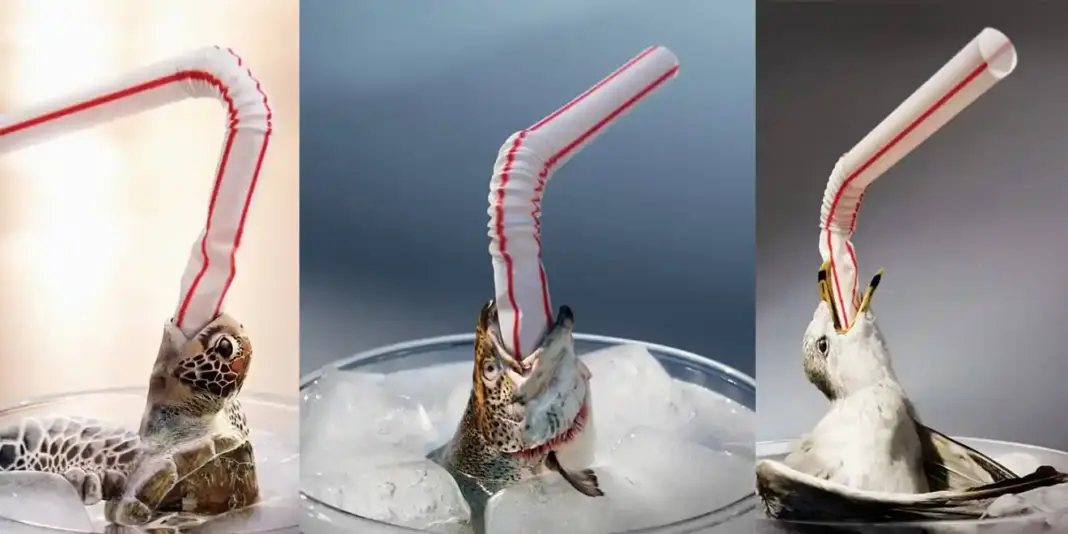
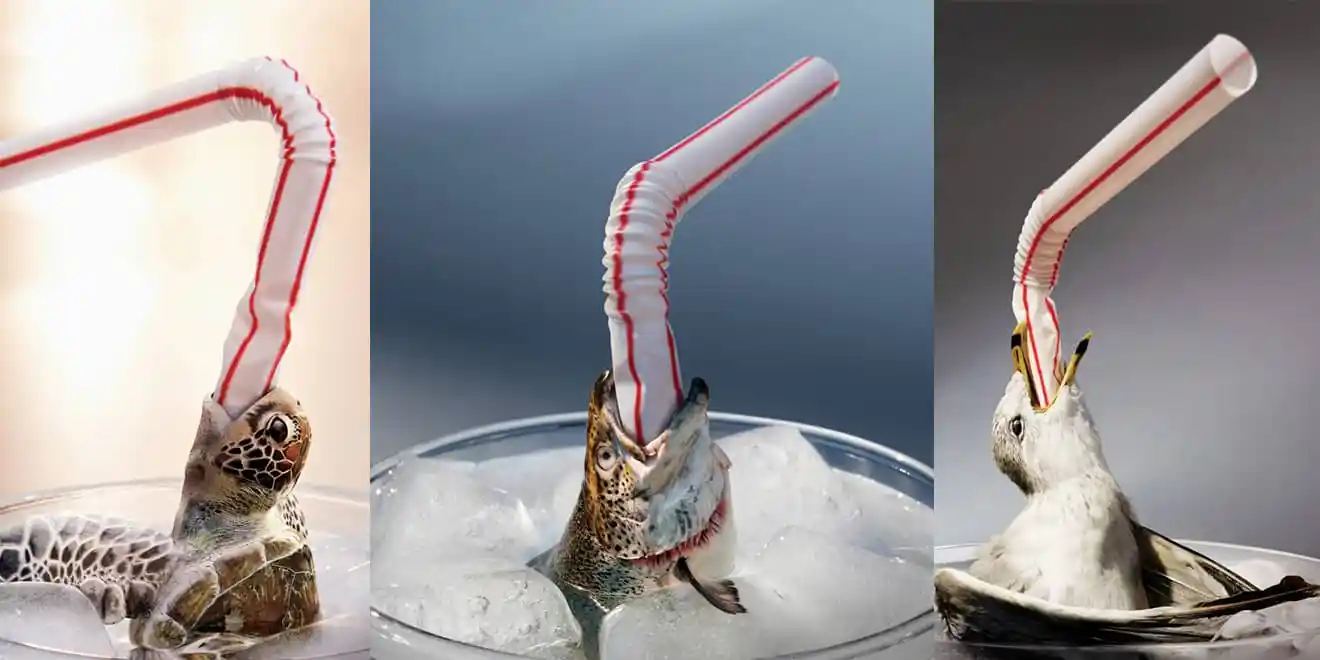
There was some irony of it in getting an entire meal packaged in plastic, wrapped in plastic and served in plastic, and then using a paper straw, but environmentalists argue that the straws are particularly harmful to wildlife because of the shape and size.

This move reverses a Biden administration policy that aimed to phase out single-use plastics, including straws, in federal operations by 2035. Trump dismissed concerns about plastic pollution, stating that plastic straws do not significantly affect marine life. Consumers are also concerned at the same time that plastics aren’t being recycled.

Environmentalists criticized the straw decision, citing the global plastic pollution crisis and the harmful impacts of microplastics on wildlife and ecosystems. Despite broader efforts to reduce plastic waste, Trump’s order has been supported by the plastics industry but diverges from many companies’ sustainability goals. The controversy highlights the ongoing debate over environmental policies and the balance between convenience and ecological responsibility.

Lisa Ramsden, Greenpeace USA’s senior plastics campaigner says, “Donald Trump’s Executive Order on plastic straws is a distraction from his administration’s efforts to prevent the EPA, the FDA and the NIH from protecting Americans from microplastics and dangerous chemicals.

“Plastics contain more than 16,000 chemicals, with over 3,200 known to cause cancer, disrupt hormones, contribute to obesity, or trigger early puberty in children. These chemicals have also been linked to reproductive health problems and declining fertility. So while the administration feigns concerns for Americans’ health and the declining birth rate, policies like this are exacerbating a public health crisis that drains over $250 billion from our economy annually.”

You can still do your part by opting out from using paper straws or ones made from sugarcane. There are several alternatives to paper straws that aim to reduce plastic waste while maintaining functionality:

picture of the apple gazoz that I got from Cafe Levinsky
The apple gazoz drink with sustainably made straw and spoon

Stainless Steel Straws – Durable and reusable, stainless steel straws are a popular alternative, easy to clean, and environmentally friendly for long-term use. You need to carry these on hand, and they need to be washed thoroughly with a special tiny brush.

Glass Straws – Made from tempered glass, these straws are reusable and offer a sleek, eco-friendly option. They are transparent and provide a similar feel to plastic, though they can be more fragile. They can also be dangerous for children.

Bamboo Straws – A natural, biodegradable option, bamboo straws are durable and compostable, making them a sustainable choice for those looking for an eco-friendly alternative. These aren’t easy to find and they are expensive.

Silicone Straws – Flexible and reusable, silicone straws are gentle on the mouth, dishwasher safe, and available in various sizes and colors. They are a safe, practical option for both kids and adults. Again, cleaning them thoroughly is an issue.

Edible Straws – Made from materials like rice, seaweed, or even fruit, these biodegradable straws are not only eco-friendly but can be consumed after use. They do leave an aftertaste and residue. Nice idea, but not practical.

Plant-based Biodegradable Straws – These straws are made from materials like cornstarch, sugarcane, or plant fibers that break down naturally in the environment, offering a more sustainable alternative to traditional plastic straws. We are rooting for this option. Get your thinking caps on engineers and make biodegradable plastic better than petrol-based plastics.

Here are five U.S.-based companies that produce biodegradable straws:

fiber powder in power shake
Chaga tea, lion’s mane mushroom, spirulina and fiber powder are all part of a new health food diet served with a paper straw. 

Aardvark Straws – Known for their paper straws, Aardvark offers biodegradable and compostable products made from sustainable materials, including paper.

BioStraws – This company manufactures biodegradable, compostable, and plant-based straws made from cornstarch and other renewable resources.

Ecology – They produce compostable straws made from plant-based materials like sugarcane and corn, providing an eco-friendly alternative to traditional plastic straws.

Greenworks – Greenworks offers biodegradable paper and plant-based straws that break down naturally and are a sustainable choice for businesses.

StrawFree – This company produces compostable straws made from materials such as bamboo, which are both biodegradable and eco-friendly.

Hot this week

How Renewable Energy is Revolutionizing the Way We Power Our World

Solar has become the star of the transition thanks to modular hardware and straightforward installation. It fits dense cities and remote towns alike. Many companies are turning to rooftop arrays and carport systems - and exploring commercial solar installation as a practical way to lock in future savings.

How does one start prepping?

Faced with an extreme winter storm this year, Americans wonder how to be prepared for catastrophe. Miriam has lived through wars in the Middle East - so she's prepared on giving you a guide to prepping.

Fishermen sue tire manufacturers on behalf of the salmon

A federal trial in San Francisco has brought US tire manufacturers, fishing groups, and environmental scientists into court over a chemical most drivers have never heard of — but which scientists say may be silently reshaping aquatic ecosystems.

Listening to Water: Tarek Atoui’s Next Work for Tate Modern

Born in Beirut, Lebanon in 1980 and now living in Paris, Atoui has spent years building instruments that don’t sit comfortably in concert halls. Many of them involve water, glass, and ceramics — materials that react to sound instead of simply producing it.

Leading Through a Dual-Energy Transition: Balancing Decarbonisation with Energy Security

Experience in one area of the energy industry isn't enough to guarantee readiness across all the others. That's where a structured program like an MBA in energy can come in. Today's advanced curricula explore energy economics, finance, policy, and strategic management alongside the technical subjects. And when pursuing an energy MBA online, professionals can skill up and retrain without having to step out of the labor market -- an important perk at a time when skilled professionals are already in short supply.

Topics

How Renewable Energy is Revolutionizing the Way We Power Our World

Solar has become the star of the transition thanks to modular hardware and straightforward installation. It fits dense cities and remote towns alike. Many companies are turning to rooftop arrays and carport systems - and exploring commercial solar installation as a practical way to lock in future savings.

How does one start prepping?

Faced with an extreme winter storm this year, Americans wonder how to be prepared for catastrophe. Miriam has lived through wars in the Middle East - so she's prepared on giving you a guide to prepping.

Fishermen sue tire manufacturers on behalf of the salmon

A federal trial in San Francisco has brought US tire manufacturers, fishing groups, and environmental scientists into court over a chemical most drivers have never heard of — but which scientists say may be silently reshaping aquatic ecosystems.

Listening to Water: Tarek Atoui’s Next Work for Tate Modern

Born in Beirut, Lebanon in 1980 and now living in Paris, Atoui has spent years building instruments that don’t sit comfortably in concert halls. Many of them involve water, glass, and ceramics — materials that react to sound instead of simply producing it.

Leading Through a Dual-Energy Transition: Balancing Decarbonisation with Energy Security

Experience in one area of the energy industry isn't enough to guarantee readiness across all the others. That's where a structured program like an MBA in energy can come in. Today's advanced curricula explore energy economics, finance, policy, and strategic management alongside the technical subjects. And when pursuing an energy MBA online, professionals can skill up and retrain without having to step out of the labor market -- an important perk at a time when skilled professionals are already in short supply.

From Green Energy to Healthy Societies: Why old systems thinking is becoming relevant again

Across the Middle East and North Africa, large investments are being made in green hydrogen, renewable energy, water infrastructure and sustainability. Most of these efforts are discussed in the context of climate change, decarbonization and economic diversification. That framing is important, but it may not capture their full value.

We saw peace – an interreligious encounter deep in our eyes

They came from Israel, Palestine, Jordan, Iraq, Yemen, Morocco, Tunisia, Lebanon, Egypt… There are Sunni Muslims, Shiite Muslims, Jews (Orthodox and Reform), Orthodox Christians, Coptic Christians, Protestant Christians, Druze, Baha'is, a Scientologist.

Can biochar reduce ‘Forever Chemicals’ in food if it’s used in farms?

Biochar is produced by heating organic material in a low-oxygen environment so it does not burn. This process, known as pyrolysis, transforms plant matter into a stable, carbon-rich material.

Related Articles

Popular Categories