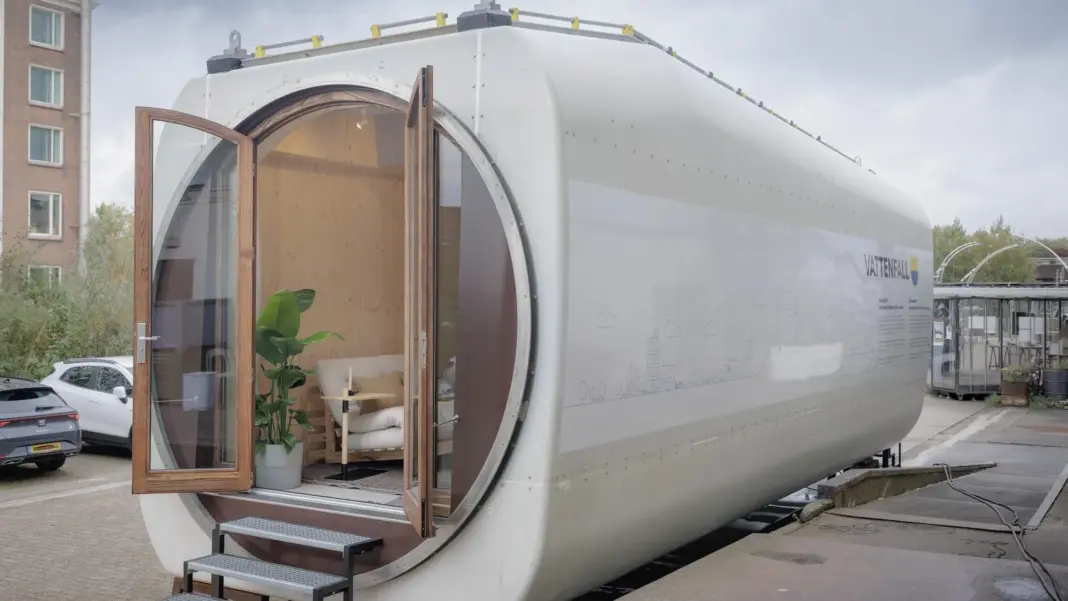


Remember 15 years ago when cargotecture was the “thing” and our resident architect blew the lid off the premise of upcycled ship containers being safe and eco friendly? There is such a lag on the concepts of design and the time it takes to make a dream reality –- meaning we are still seeing new cargotecture concepts brought to life, even though, maybe, it wasn’t such a great idea in hot countries. And some of the containers contained hazardous materials that should not be in contact with people. But what about decommissioned wind turbines?
Time for a new eco obsession? How about living in a wind turbine blade that has fulfilled its purpose of collecting energy? A new report from the US Department of Energy, the DOE, outlines recommendations that could increase the recycling and reuse of decommissioned wind energy equipment and materials to create a more circular economy and sustainable supply chain.
The research reveals that existing US infrastructure could process 90% of the mass of decommissioned wind turbines. However, the remaining 10% will need new strategies and innovative recycling methods to achieve a more sustainable wind energy industry. This research will help guide over $20 million in investments previously announced from the Bipartisan Infrastructure Law to advance technologies that address this gap.
Looking for recycling innovators and funding them too
“The US already has the ability to recycle most wind turbine materials, so achieving a fully sustainable domestic wind energy industry is well within reach,” said Jeff Marootian, principal deputy assistant secretary for the Office of Energy Efficiency and Renewable Energy. “Innovation is key to closing the loop, and this research will help guide national investments and strategies aimed at advancing technologies that can solve the remaining challenges and provide more affordable, equitable, and accessible clean energy options to the American people.”
The new Recycling Wind Energy Systems in the United States report provides an assessment of research, development, and demonstration (RD&D) needs and gaps in existing wind energy-related supply chains to support the transition to a more sustainable and circular US wind energy industry. This is research that could easily be applied to other wind energy markets.
A team of researchers, led by the National Renewable Energy Laboratory with support from Oak Ridge National Laboratory and Sandia National Laboratories, developed the report. The effective reuse and recycling of wind system components, parts, and materials will rely on a combination of measures, including:
- Improved end-of-life decommissioning collection and scrap sorting practices.
- Strategic siting of recycling facilities.
- Expanded and improved recovery and recycling infrastructure.
- Substitution of hard-to-recycle and critical materials with more easily separable and affordable materials, improved component designs and manufacturing techniques, or the development of modular system components.
- Optimized properties of recovered materials for second-life applications.
- Greater access to wind energy waste streams and the equipment required to disassemble wind energy components.
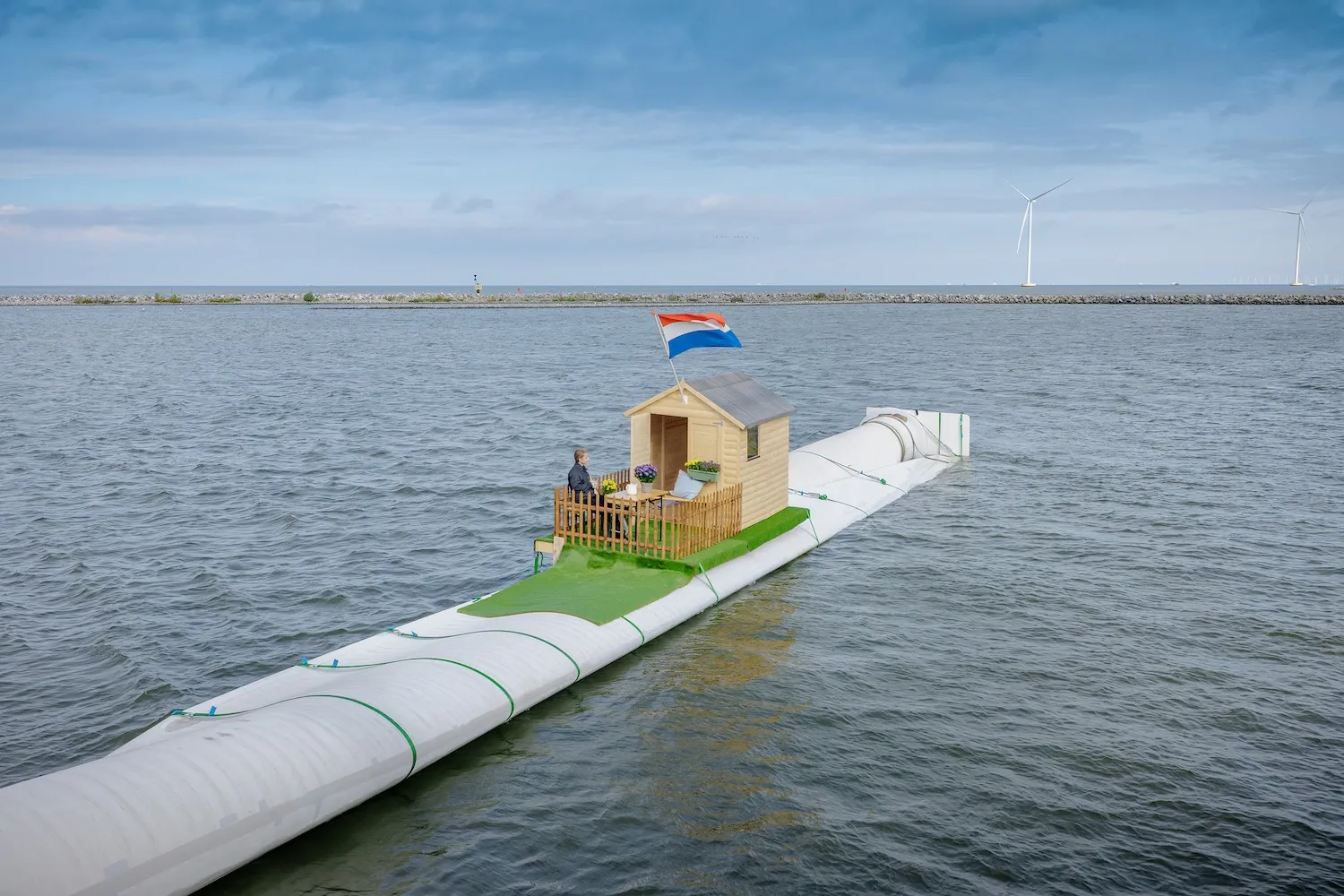
Towers, foundations, and steel-based subcomponents in drivetrains offer the greatest potential currently to be successfully recycled, whereas blades, generators, and nacelle covers are likely to prove more difficult. Unless you want to live inside a wind turbine nacelle?
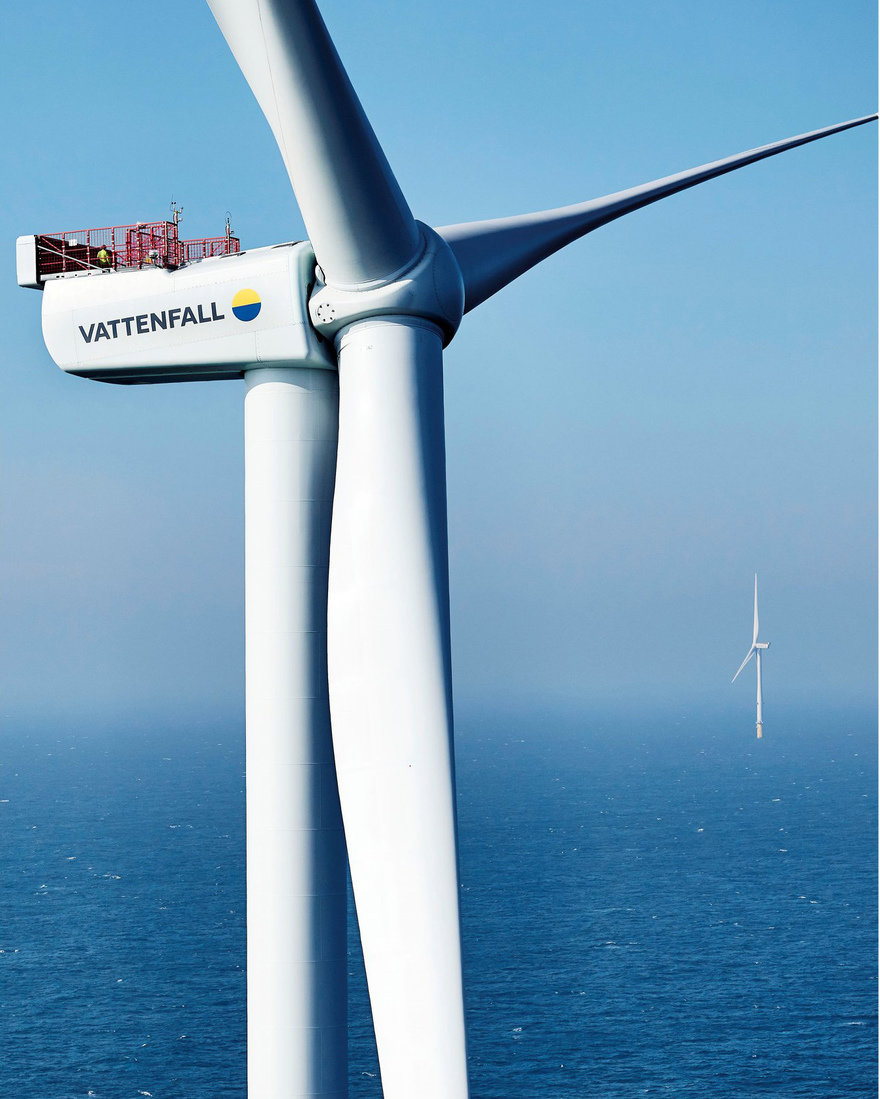
A nacelle is a streamlined container for aircraft parts such as engines, fuel or equipment. You can see one above.
Recovering critical materials and alloying elements from generators and power electronics, such as nickel, cobalt, and zinc, will be crucial in establishing a circular economy for wind systems.
Short-term strategies for decommissioning include promoting blade production using more easily recyclable thermoplastic resins and reusing these resins in cement production, they write.
Thermoplastic-based blade recycling technologies, such as pyrolysis and chemical dissolution, could be viable medium- and long-term options. Other medium- and long-term solutions include high-yield techniques for separating compounds found in power electronics and hybrid methods for recycling permanent magnets.
Regional factors—such as material demand, disposal fees, transportation distances, and an available skilled workforce—will play vital roles in ensuring the success and cost-competitiveness of recycling wind energy components.
Funding for Wind Turbine Recycling
Research used to compile this report will be used to guide the development of the Wind Energy Recycling Research, Development, and Demonstration program funded by the Bipartisan Infrastructure Law.
DOE recently announced an investment of $20 million to improve the recycling of wind energy technologies. This effort, which focuses on enabling sustainable wind turbine components, enabling wind turbine material recycling and reuse processes, and qualifying recycled and recyclable material, will help increase the sustainability of wind energy materials and bolster the domestic supply chain. If you have a recycling solution, apply!
Applications are due on Feb. 11, 2025. You could make a new company out of a bold idea.
But let’s look at a consumer product for inspiration. Living in a wind turbine? As of today that’s possible.
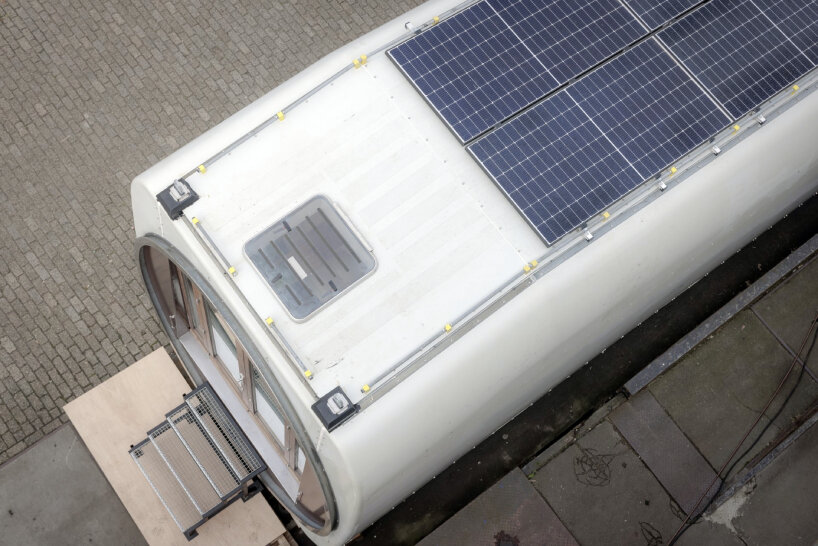
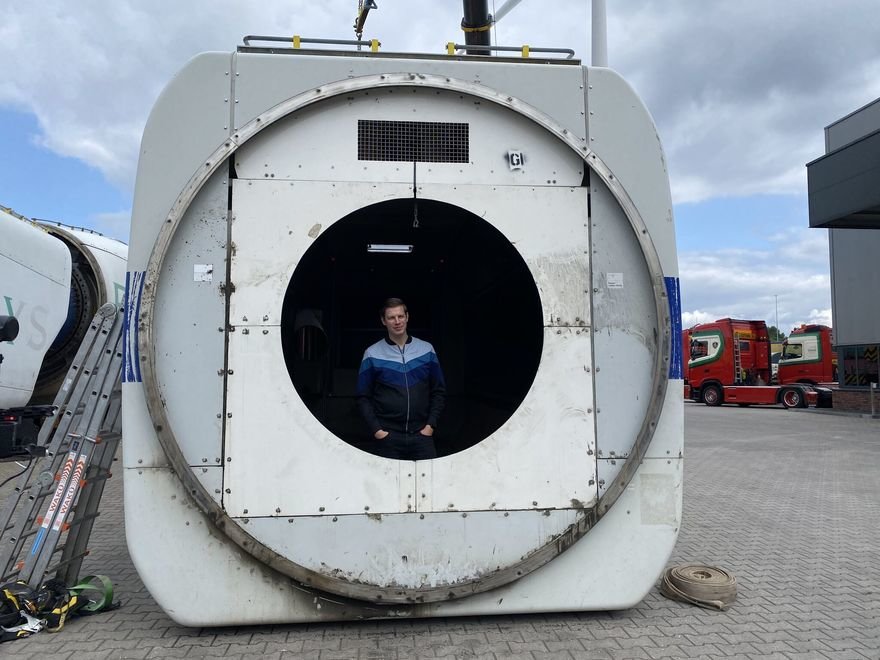 The energy company Vattenfall and design studio Superuse converted a nacelle, the top part of a wind turbine, into a tiny house. This nacelle is 4 yards wide, ten yards long and three yards high and comes from a turbine that stood in Austria for 20 years.
With the tiny house, Vattenfall demonstrates how materials can be reused in innovative ways. The tiny house was on display during Dutch Design Week from 19 to 27 October.
Jos de Krieger, partner Superuse and Blade-Made: “At least ten thousand of this generation of nacelles are available, spread around the world. Most of them have yet to be decommissioned. This offers perspective and a challenge for owners and decommissioners. If such a complex structure as a house is possible, then numerous simpler solutions are also feasible and scalable.”
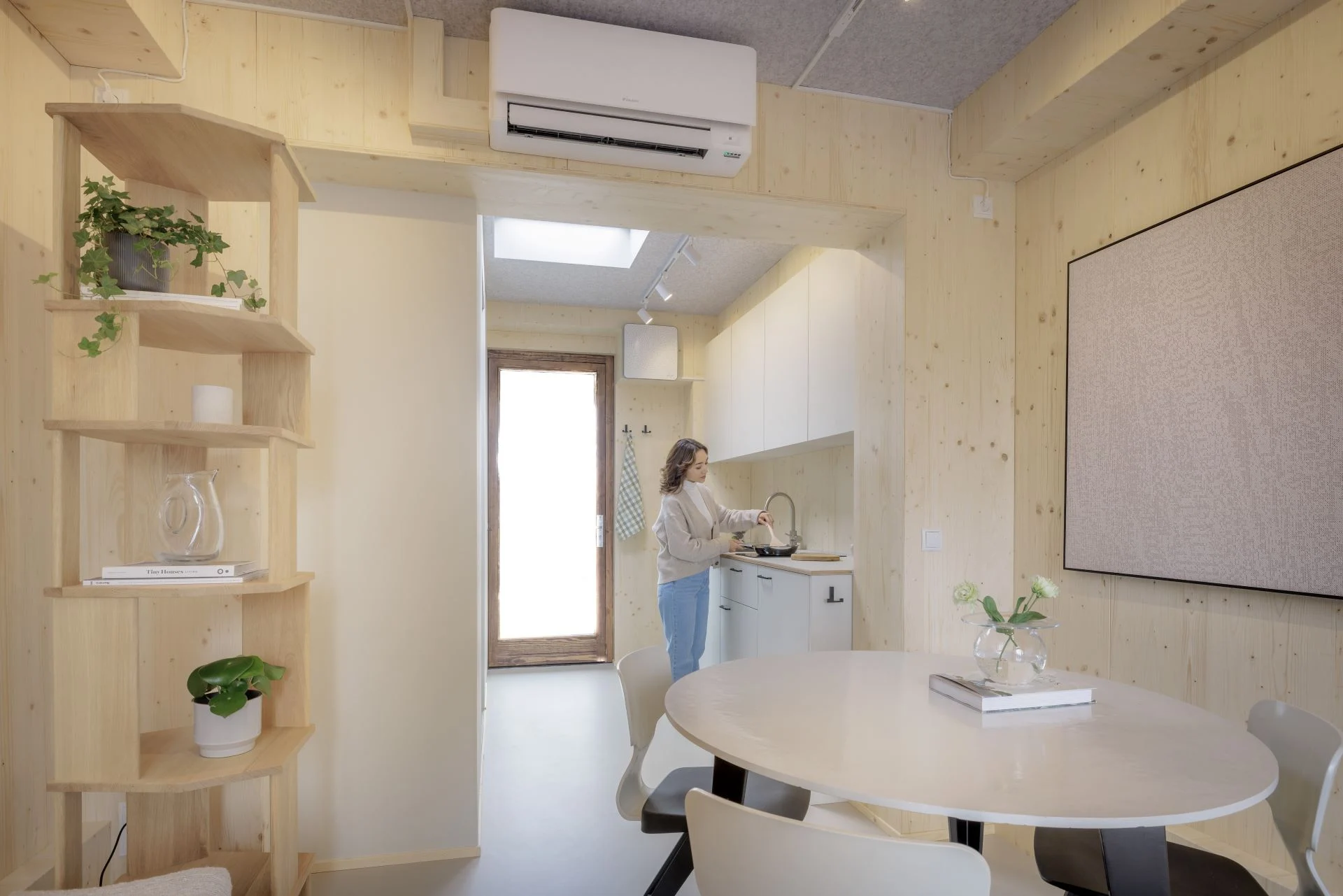
In collaboration with Reliving, the tiny house was furnished with sustainably produced and second-hand furniture, including a table made of circuform that incorporates material from a recycled wind turbine blade. The electrical installation was installed by Vattenfall subsidiary Feenstra.
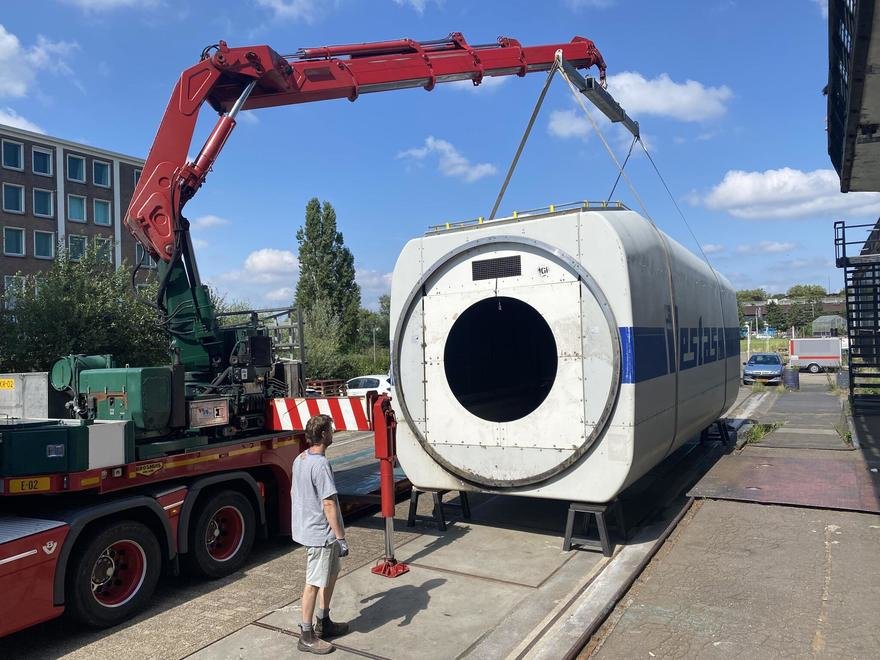
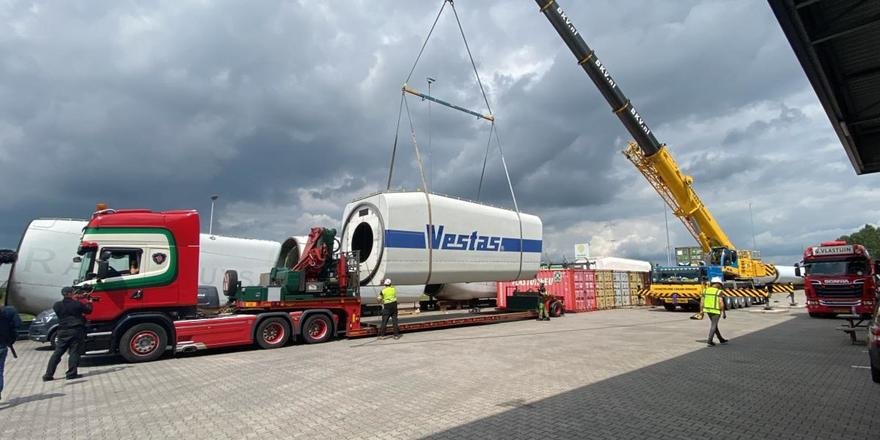
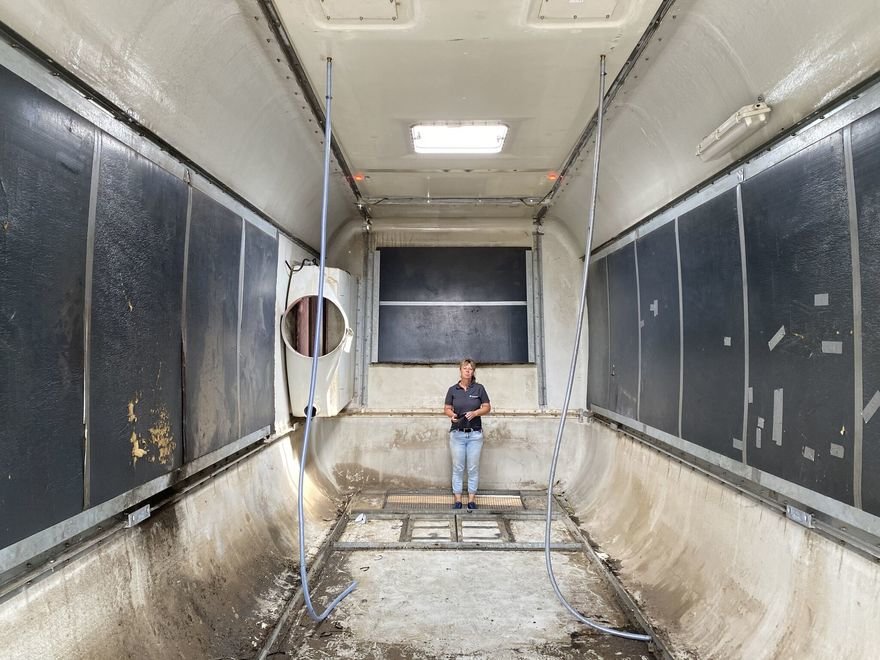
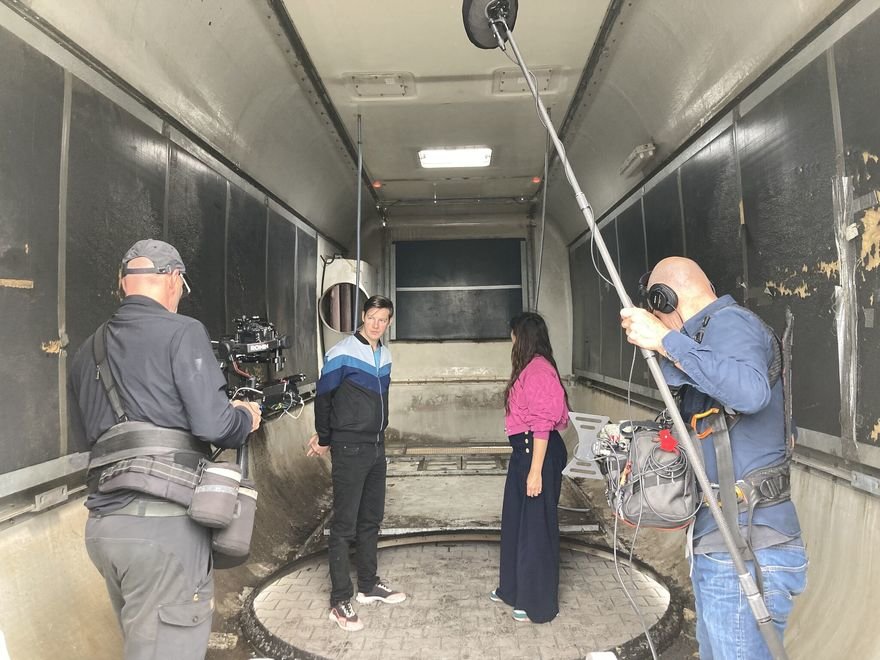
The nacelle used for construction was taken from a V80 2MW turbine built at the Austrian Gols wind farm in 2005. During 20 years of faithful service, the turbine produced 73GWh of electricity, enough to power more than 29-thousand households for a year. The nacelle once stood at a height of 100 metres.

Dutch company Business in Wind decommissioned the wind farm and made the nacelle available for this project.