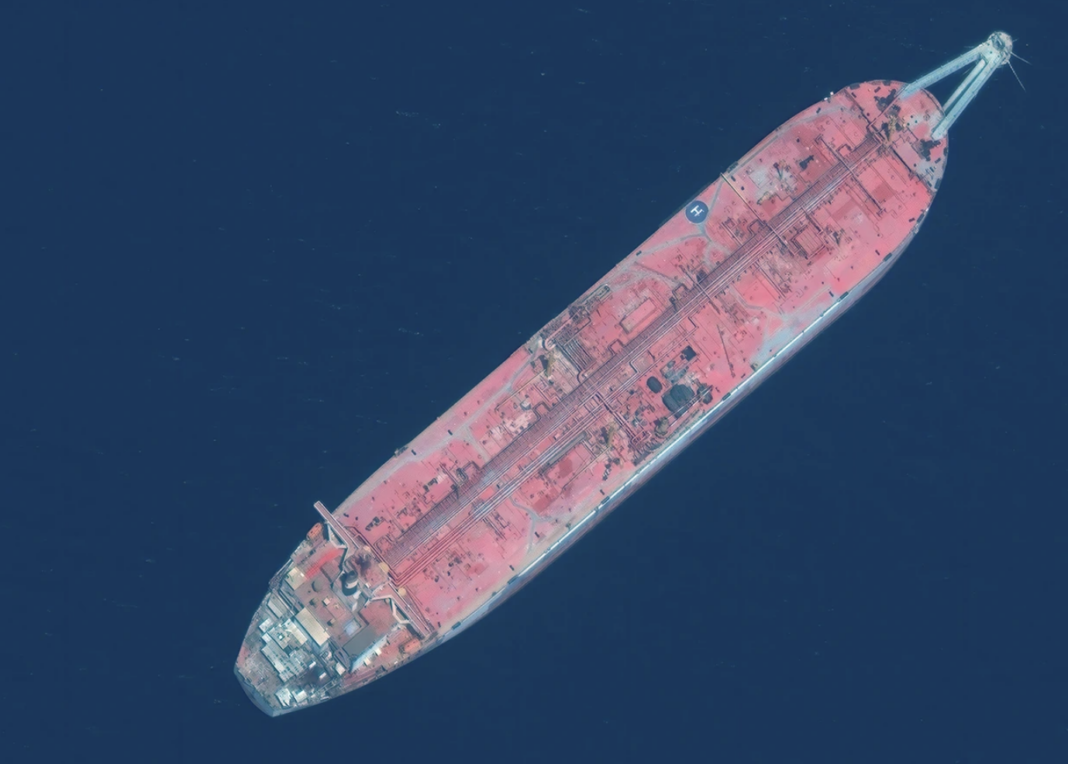


Maritime law, also known as admiralty law, is a legal field that helps to govern legal issues that may arise in the seas, oceans, or other navigable waters. A maritime lawyer plays a crucial role in handling a wide range of cases relating to shipping, navigation, ocean resources, and maritime industries. This is a specialised branch of law that is particularly useful for nationals with extensive coastlines or significant shipping industries. If you’re looking at maritime legal jobs, read through our article below to find out what a maritime lawyer really does and how to become one.
What Does A Maritime Lawyer Do?

Maritime lawyers handle a variety of legal issues related to shipping, offshore activities, and marine resources. Some of their main roles include:
- Advising on shipping contracts and regulations
This is a vital part of the shipping industry as all forms of global trade rely on creating contracts between the shipmaster and the company looking to transport their goods. A maritime lawyer’s role is to advise businesses and individuals on the many different laws and regulations related to shipping and marine trade. These laws help to govern everything from the movement of goods across seas to environmental standards. Maritime lawyers will typically help to draft and review shipping contracts, ensuring that they comply with the vast array of international and domestic regulations.
- Resolving disputes that arise
Maritime disputes are common in commercial shipping, fishing, and offshore operations. Some disputes include cargo claims, ship damage, collisions, and even pollution incidents. Maritime lawyers may take on shipowners, insurance companies, or injured seamen in cases that involve a dispute and can carry out different roles, including litigation, arbitration, or mediation.
- Assisting in personal injury and worker claims
It is well-known that safety is a concern in the shipping industry, and that means that maritime lawyers are often involved in personal injury cases arising from the maritime industry. For example, injuries that might happen on ships, oil rigs, and even on docks would all be the responsibility of a maritime lawyer, should they need one. Seafarers, longshore workers, and offshore oil rig personnel may face hazardous working conditions, and a lawyer’s role is to ensure that they receive appropriate compensation under laws such as the Seafarers Rehabilitation and Compensation Act.
- Dealing with environmental regulations
The shipping industry is dealing with a growing focus on environmental conservation, and maritime lawyers have to become well-versed in dealing with cases that may involve pollution and environmental damage. Regulations in this area are changing rapidly meaning lawyers must remain up to date with changing laws and requirements to help protect oceans and marine ecosystems. Some cases that may come up in this line of work include oil spills, illegal dumping, and breaching environmental protection laws.
How To Become A Maritime Lawyer

If you’re interested in becoming a maritime lawyer, you’ll need to follow a specific educational and professional path.
Firstly, you’ll need to get your law degree and complete practical legal training to apply the theoretical knowledge you have gained. Once you’ve gained admission as a lawyer to practice law, you can start to specialise in maritime law – i.e., working specifically law firms, shipping companies, or government agencies that specialise in this area. You can also consider pursuing postgraduate studies or joining professional organisations that can help you with your specialisation.
Conclusion
Becoming a maritime lawyer requires a sincere amount of dedication and a keen understanding of both national and international laws. With the ability to advise on highly complex shipping regulations, help resolve disputes, and protect the environment, maritime law is a difficult but highly rewarding career path for those interested in a legal profession.