
Lebanon’s got power problems: government authorities are supplying minimal access to electricity, about one to three hours a day, and in rural locations less, while those who can afford solutions are buying generators and solar energy systems. But a lack of power doesn’t just apply to basic needs like milk or medicine stored in a fridge: it also impacts one’s access to clean water.
Areas of Lebanon blessed with a regular supply of water rely on pumps to pull out water from springs and aquifers and store them for use. With irregular and fewer hours of electricity, locals in some areas are getting cut off from water as a result. Or they see just one or two hours of municipal water every 15 days.
It’s also happening in areas like Arizona in the US where water wells are simply coming up dry from over-pumping.
Over in Afghanistan off-grid opiate farmers are watering poppies using solar energy pumps; Lebanese are also taking the matter into their own hands using solar power to pump water. Some villages are now investing in solar power.

According to The National the mountain town of Baalchmay plans to install solar panels near its well so it can stop relying on state-provided electricity to pump water to residents.
The mayor of the town had a private generator installed using his own money and took donations from the local community but the scope was limited due to the cost of fuel for running the generator. Instead the town turned to solar energy and using 230 solar panels bought from funding from the Japanese Embassy in Lebanon, and with support from the Environment Academy — at the American University of Beirut.
Power collected from the solar panels will run the well and this is expected to keep the town’s water source flowing into people’s homes.
Democratically elected leaders in Lebanon are assassinated so it’s no doubt that no-one wants to take charge of the country in shambles economically and rife with corruption. The explosion of 2,750 tons of ammonium nitrate at a port warehouse caused widespread destruction and injured more than 5,000 people in Beirut in 2020.
Solar energy boon in Lebanon
Lebanon passed a civil war 48 years ago and the current climate and political situation is not looking good. People who don’t have access to power or water won’t be happy people. These are the same conditions that started the civil war in Syria in 2011. We wrote about the severe drought in Syria back in 2009 when environmentalists warned that conflict and water and climate change are linked.
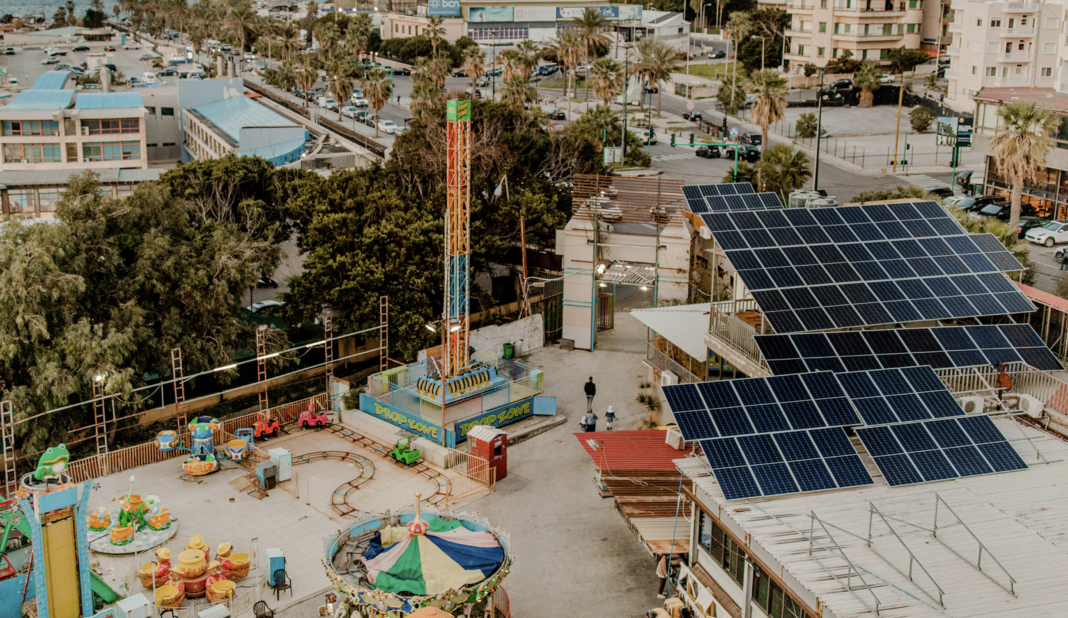
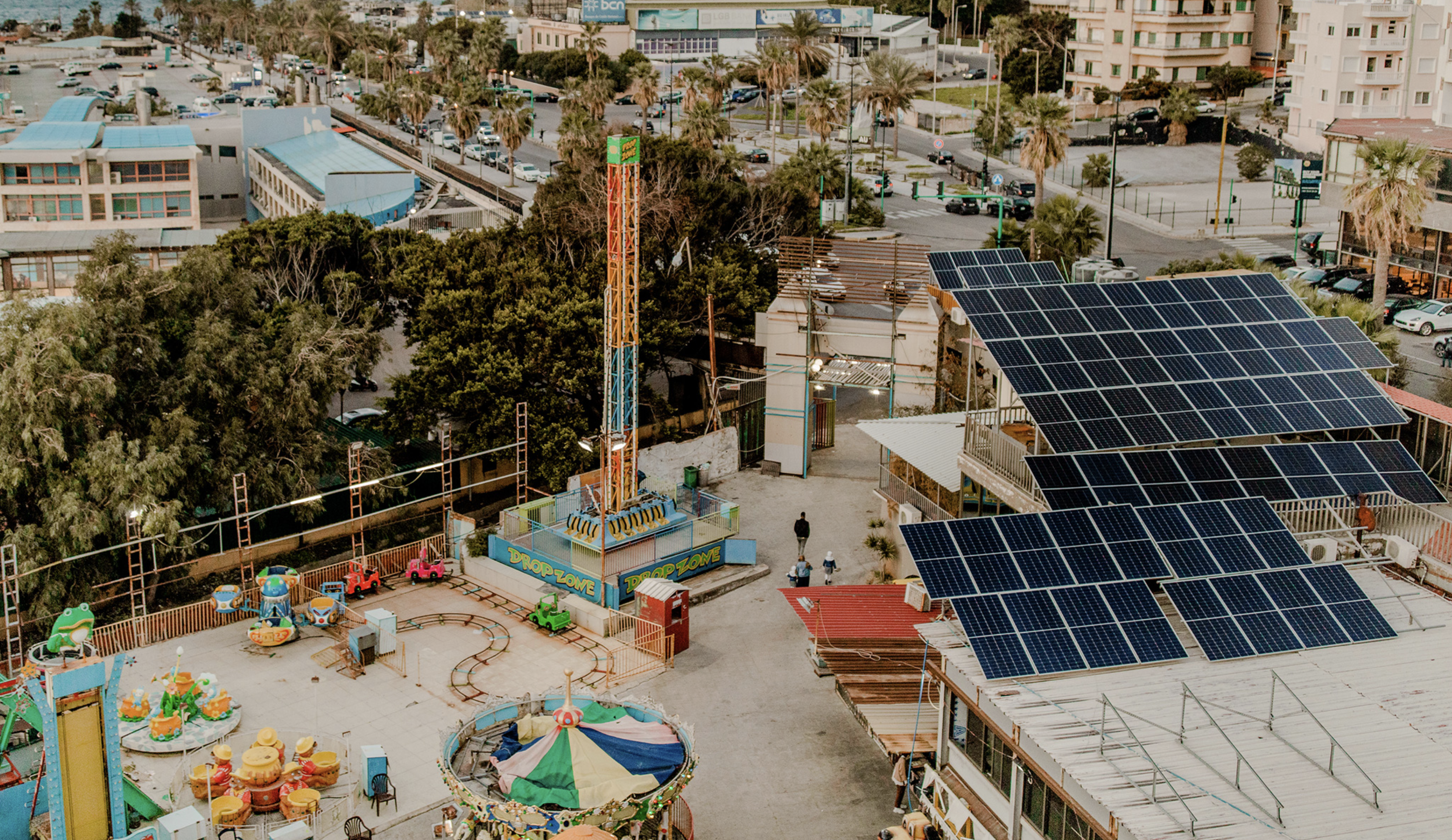
An idea for change? Sponsoring more villages to adopt solar power. Time magazine (above photo) has a great story on individuals going for solar. A system might cost $10,000 USD but it saves them $3 to $4,000 USD a year on power. Power that they probably wouldn’t have been able to buy even if they wanted to.
That goal of using renewable energy in Lebanon has been helped by the fact that solar power is now cheapest way to generate electricity around the world. The cost has dropped by more than 90% over the past 10 years, thanks to rapid technology gains and a glut in solar-panel production.