Light pollution killing rodents within days

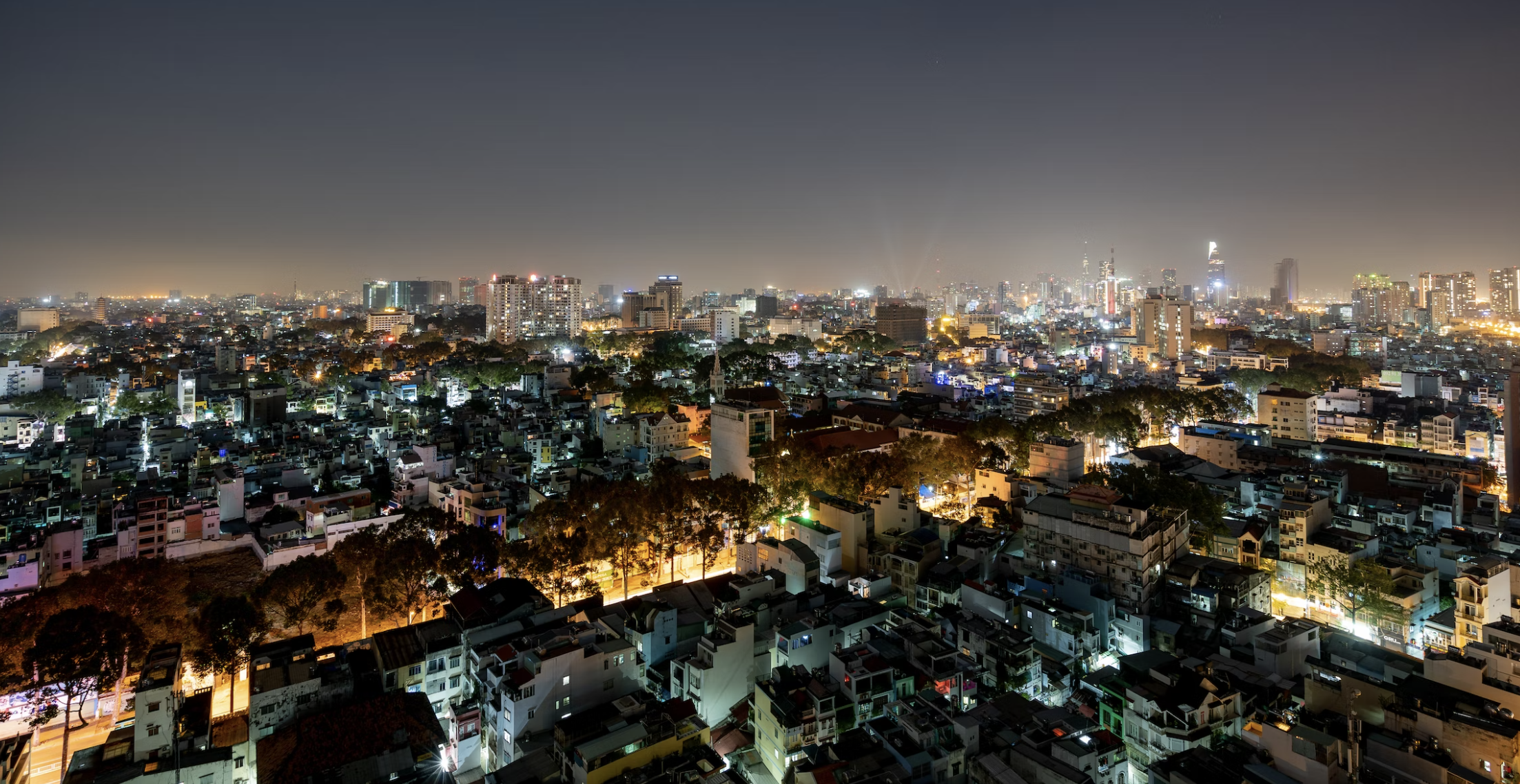
light pollution in vietnam, lights hurting mammals at night
City lights and light pollution are killing small rodents. These are lights in a city in Vietnam but light pollution is everywhere.

A new study on rodents has found that light pollution hurts small mammals. An extensive study at Tel Aviv University’s School of Zoology tested the impact of prolonged low-intensity light pollution on two species of desert rodents: the diurnal golden spiny mouse, and the nocturnal common spiny mouse. The findings were highly disturbing: on two different occasions, entire colonies exposed to ALAN (Artificial Light At Night) died within days, and reproduction also decreased significantly compared to control groups.

The researchers: “Our results show clearly for the first time that light pollution can be extremely harmful to these species, and suggest they may be harmful to ecosystems, biodiversity, and even human health.”

The study was led by Prof. Noga Kronfeld-Schor, Chief Scientist of Israel’s Ministry of Environmental Protection, and PhD student Hagar Vardi-Naim, both from TAU’s School of Zoology and the Steinhardt Museum of Natural History.
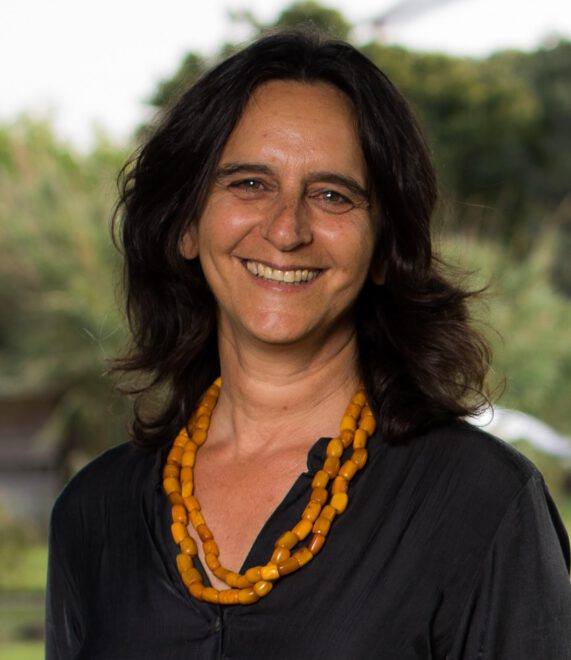
Noga Kronfeld-Schor studies light pollution and rodents

The paper was published in Scientific Reports.

Millions of years of evolution undone in 50
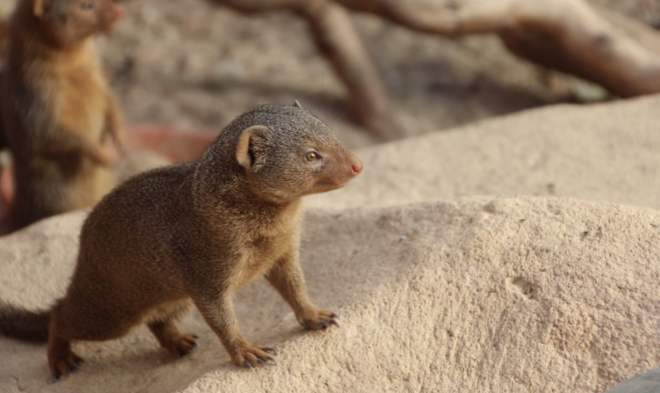
desert rodent
Desert rodents killed by lights

Prof. Kronfeld-Schor explains: “We have been studying these closely related rodent species for years.  They both live in Israel’s rocky deserts. By comparing closely related species that differ in activity times, we gain new insights into the biological clock and its importance to the health of both animals and humans.”

Hagar Vardi-Naim: “In most species studied to date, including humans, the biological clock is synchronized by light. This mechanism evolved over millions of years in response to the daily and annual cycles of sunlight – day and night and their varying lengths that correspond to the change of seasons. Different species developed activity patterns that correspond to these changes in light intensity and daylength and developed anatomical, physiological and behavioral adaptations suitable for day or night activity and seasonality.”

However, over the last decades, humans have changed the rules by inventing and extensively using artificial light, which generates light pollution. According to latest studies, about 80% of the world’s human population is exposed to ALAN, and the area affected by light pollution grows annually by 2-6%. In a small and overcrowded state like Israel, very few places remain free of light pollution. In our study we closely monitored the long-term effects of ALAN on individuals and populations under semi-natural conditions.”

The average life expectancy of spiny mice is 4 to 5 years, and the original plan was to monitor the effects of ALAN on the same colonies, measuring the effects on reproductive output, wellbeing and longevity. But the dramatic results thwarted our plans: on two unrelated occasions, in two different enclosures exposed to white light, all animals died within several days.

“No abnormal mortality was recorded in any of the other enclosures, and as far as we are aware, no similar event has ever been documented by researchers before,” the researchers report.

Why do we need rodents anyway?

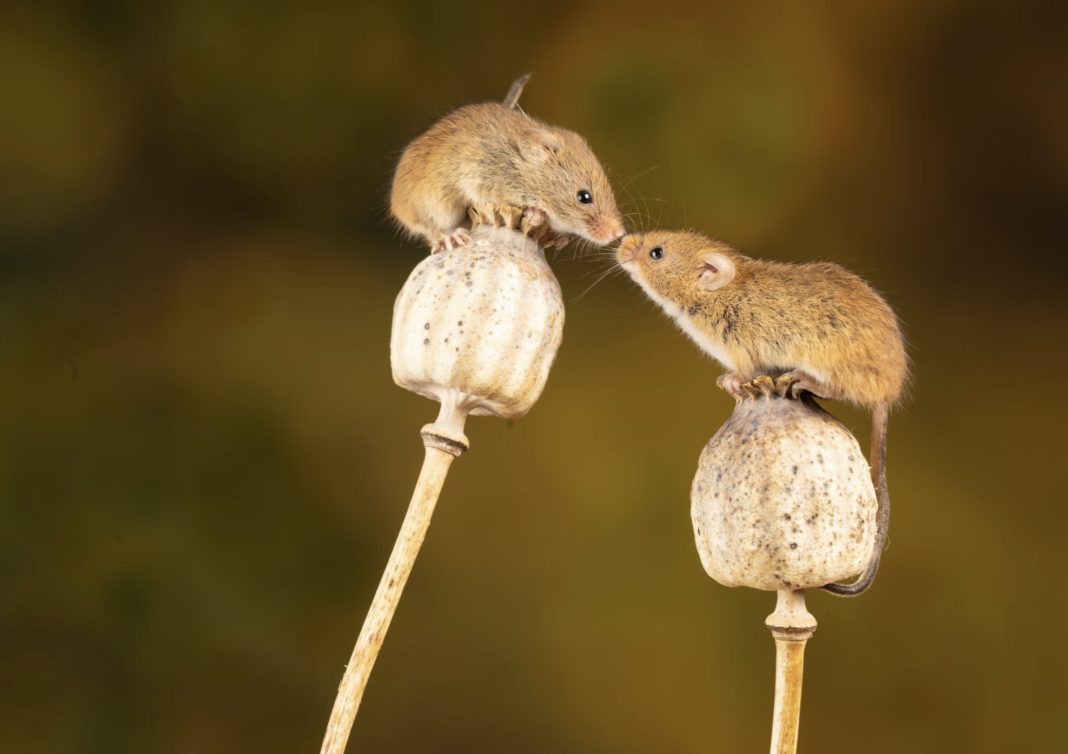
mice kissing on a poppy seed branch
Mice kissing on a poppy seed branch

If you are not a lover of mice or small rodents, you might think this is good news. But every species in the web of life in the city or desert is part of an intricate mechanism that supports our planet. As a Zoologist who worked with small mammals in forests in Ontario, Canada, for the Government of Canada, I learned that small mammals such as mice and voles, are indicator species. How they forage and breed does affect the health of a forest as they are the main scatterers of seeds and nuts which help trees regenerate. 

If the mammals go, so do our trees.

We can also learn about ourselves when we look at smaller mammals. If light pollution affects them, there is a good chance it will affect us too, and the researchers confirm this. Previous research we’ve covered on light pollution includes: light pollution make crickets chirp in the daytime, light pollution is stopping coral reefs from spawning, and we’ve seen research that it hurts bats too. So if you think light at night is a good thing for your backyard, think again. Just like we are planing wildflowers to bring back the bees, turn off your lights at night to help the small mammals.


Karin Kloosterman
Karin Kloostermanhttp://www.greenprophet.com
Karin Kloosterman is an award-winning journalist, innovation strategist, and founder of Green Prophet, one of the Middle East’s pioneering sustainability platforms. She has ranked in the Top 10 of Verizon innovation competitions, participated in NASA-linked challenges, and spoken worldwide on climate, food security, and future resilience. With an IoT technology patent, features in Canada’s National Post, and leadership inside teams building next-generation agricultural and planetary systems — including Mars-farming concepts — Karin operates at the intersection of storytelling, science, and systems change. She doesn’t report on the future – she helps design it. Reach out directly to [email protected]

TRENDING

Renewables hit 5,149 GW in 2025 as the world edges away from oil shocks and fossil-fueled conflict

“In the midst of uncertain time, renewable energy remains consistent and steadfast in its expansion,” said Francesco La Camera, IRENA’s Director-General. “A more decentralised energy system, with a growing share of renewables and more market players, is structurally more resilient.”

What Is Liberty HealthShare, and Should I Learn More?

Health insurance is a regulated financial product. Insurers operate under binding contracts, overseen by state insurance commissioners, that legally obligate them to pay claims meeting policy terms. Policyholders who believe a covered claim was wrongfully denied have legal recourse through state regulatory channels.

Zentera drops “ethical wool” claim after peta exposé into zq-certified farms

The New Zealand Merino Company, now rebranded as Zentera, has quietly removed the phrase “world’s leading ethical wool brand” from its website, a notable change that comes after a disturbing investigation by PETA Asia-Pacific into the company’s ZQ-certified wool supply chain, PETA reports to Green Prophet.

Fresh Fava Bean Soup, A Vegan Springtime Recipe

Somehow vegetables with short seasons excite the imagination and appetite more sharply than produce that’s available all year around. Good Middle Eastern cooks have many recipes for delicate fava beans, and this turmeric-fragrant soup is one.

The future of trucking and freight is electric and hydrogen

For years the freight industry tried to force a...

Nobul’s Regan McGee on Shareholder Value: “Complacency Is the Silent Killer” 

Why the governance framework designed to protect shareholders so...

Should You Invest in the Private Market?

startustartup Unlike public stock exchanges, which offer daily trading, strict...

How to build a 100-year-company

Kongō Gumi is a Japanese construction company, purportedly founded in 578 A.D., making it the world's oldest documented company. What can we learn about building sustainable businesses from them?

From Pilot Plant to Global Stage: How Aduro Clean Technologies’ 2026 Expansion Signals a Turning Point for Chemical Recycling Investors Like Yazan Al Homsi

The company's Next Generation Process (NGP) Pilot Plant in London, Ontario, has officially moved into initial operating campaigns, generating the kind of structured, repeatable data that separates laboratory promise from commercial viability.

How AI Helps SaaS Companies Reduce Repetitive Customer Support Work

SaaS products are designed for large numbers of users with different levels of experience, and also in renewable energy.

Pulling Water from the Air

Faced with water shortage in Amman, Laurie digs up...

Turning Your Energy Consultancy into an LLC: 4 Legal Steps for Founders in Texas

If you are starting a renewable energy business in Texas, learn how to start an LLC by the books.

Tracking the Impacts of a Hydroelectric Dam Along the Tigris River

For the next two months, I'll be taking a break from my usual Green Prophet posts to report on a transnational environmental issue: the Ilısu Dam currently under construction in Turkey, and the ways it will transform life along the Tigris River.

Related Articles

Popular Categories