

Tracking and tracing a box of shoes with a barcode on its shipping journey from China to America is easily done with a hand scanner. But tracking and tracing every element that makes a shoe a shoe from its laces to the rubber sole, to the cloth and leather to the little bits that make the eyelets, well, it is a feat near impossible. Manufacturers know this and easily slip in exploitive labor and materials from unsustainable –– even polluting –– sources before your lace up those shoes.
But what if there could be a better way? What if you want to buy items like smart phones, cars and even your favorite can of drink, knowing that they’re made from ethically and sustainable sourced materials? It’s about to become a reality with a radical new idea in the raw materials manufacturing space, started by a leading mining and metals company that deals in diamonds, copper, iron ore and aluminum. The metals industry knows consumers are asking for more information on sustainable supply chain and Rio Tinto plans on drastically reshaping accountability in its aluminum business using the power of the blockchain. It’s an initiative aimed at empowering customers and consumers with the information to make informed decisions.
The blockchain known as a powerful and transformative idea for currency, famously, Bitcoin or Ether, can also be applied for logging and securing data for any array of industries from agriculture –– tracking seed to table to any raw material including metals. Rio Tinto has stepped up to create a new standard in transparency and traceability for the aluminium industry with the launch of START. They are calling it a ‘nutrition label’ for responsible aluminium. But the idea can easily be applied to any metal or raw material the same way the Fair Trade labor tracks organic, fair wage coffee around the world. It’s the only kind of coffee I drink now. And I look for these labels.
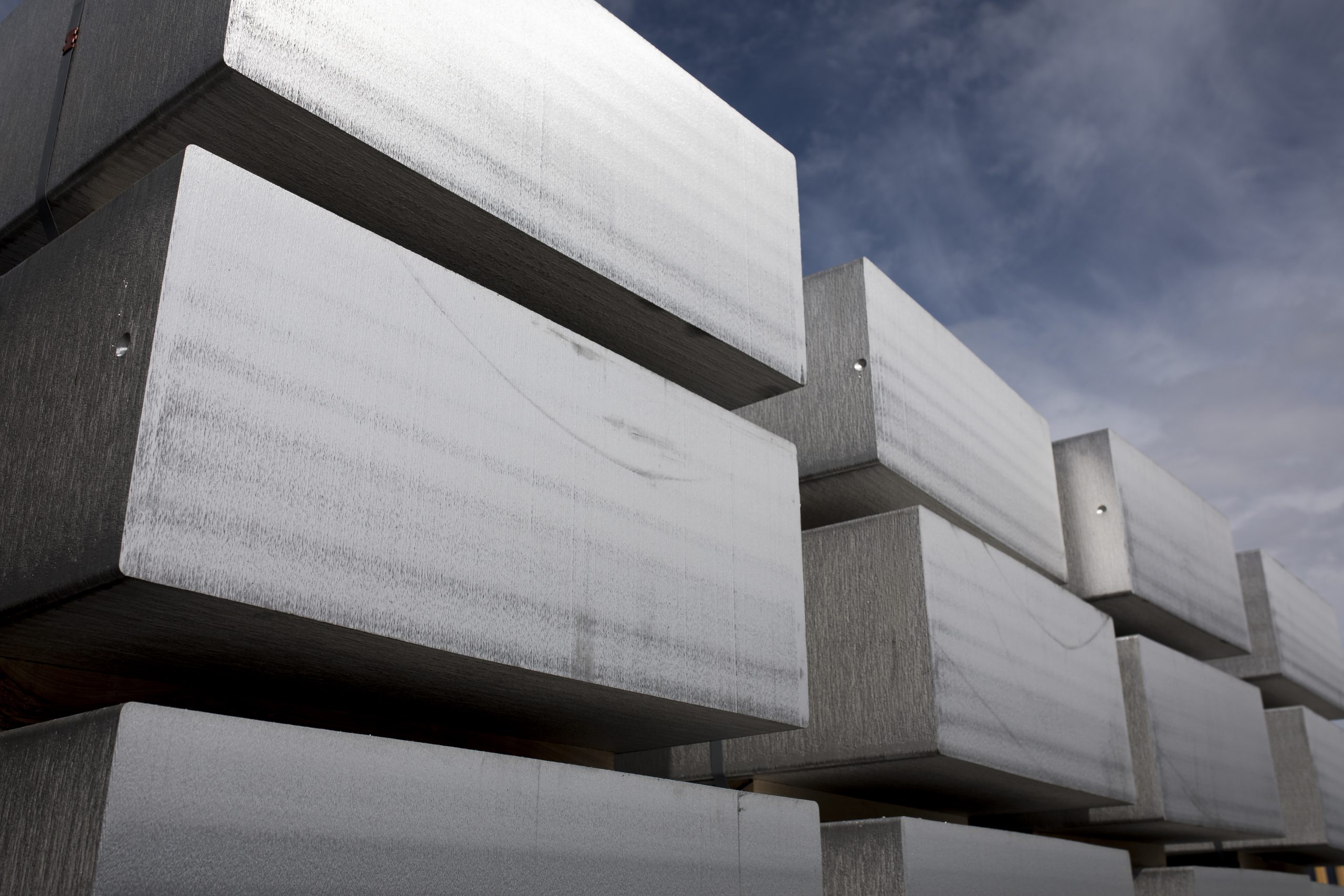
START launched by Rio Tinto will help customers meet the demand from consumers for transparency on where and how the products they purchase are made.
Rio Tinto aims to empower end-users to make informed choices about the products they buy, enabling them to contribute to a sustainable future, and to differentiate between end products based on their environmental, social and governance credentials.
Tracking 10 ESG elements in the label
With any aluminum manufacturers buy to make products (such as a can of beer, a tin of Coke, your smart phone and lap top, that car you’re driving and the planes we fly in) they will receive a digital sustainability label – similar to a nutrition label found on food and drink packaging – using secure blockchain technology. Rio Tinto’s vision is this information will be passed through the supply chain to become available directly to the end consumer – you and me.
The data in the label will include a carbon footprint – but much, much more. “Green” aluminium is not just low carbon aluminium – as we may have thought about it going back five or more years. Green aluminium should be responsible aluminium, produced with all the ESG credentials and considerations. In fact, the same is true for every industry. Consumers now demand traceability from the cradle to the grave, and in the best cases want to see cradle to cradle initiatives, where products can be made to be recycled easily or upcycled. This is especially true in the mining industry with minerals such as graphite and lithium, highly in demand for the electric car industry.
The label if scanned by a phone or QR code will provide key information about the site where the aluminium was responsibly produced, covering ten criteria: carbon footprint, water use, recycled content, energy sources, community investment, safety performance, diversity in leadership, business integrity, regulatory compliance and transparency. This helps you know that the materials you are using, not only the products you are consuming, are taking a leading edge on being responsible for people and planet. Look at Estée Lauder’s chain of businesses all aiming to go carbon neutral by 2030. If companies don’t start now they will be left behind.
Tolga Egrilmezer, Rio Tinto Aluminium vice president, sales and marketing told Green Prophet: “We are the first in our industry and are setting a new standard for transparency, traceability and responsible production from mine to market. Cradle to Cradle, we hope. Our vision is that customers and end users will be able to showcase the sustainability of the aluminium they purchase from Rio Tinto to their consumers. This will help to put information, data in the hands of customers and consumers so they can make informed decisions about using responsible aluminium, as a sustainable, fully recyclable alternative to other materials like plastic.
Egrilmezer explains that the concept, while a radical step for the industry, is straight forward: “If you think about the nutrition label we’re all used to seeing on a can of drink. START is a ‘nutrition label’ for responsible aluminium, that sets a new standard in transparency and traceability for the industry,” he tells Green Prophet.
“And as an upstream producer, we are the first point in the supply chain. Hence, it has to start with us. Our vision is that customers can showcase the sustainability of the aluminium they purchase from Rio Tinto to consumers. This can deliver full value from our responsible production and empower consumers to make responsible decisions about the materials and products they use every day.”
When you look at companies that rely on aluminum such as the beer and beverage industry, they need products now in a time like this. Even companies making healthier drinks like hard kombucha. They need to know how to sell their princess and packaging. Egrilmezer agrees: “And it can deliver value for our customers with their conversations with their investor/shareholder base about sustainable supply chains and ESG,” he notes.
Offering education and training
The START sustainability label is now available for aluminium purchased from Rio Tinto’s managed operations globally. Through START, Rio Tinto will also provide technical expertise through a sustainability advisory service and support for customers looking to build their sustainability offerings, benchmark and improve performance, support sourcing goals and access to green financing.
Rio Tinto aims to be the world’s most responsible aluminium producer. Across its aluminium operations, Rio Tinto’s greenhouse gas emissions intensity is 60% lower than the industry average. In 2016, Rio Tinto launched RenewAl, the world’s first certified low CO2 primary aluminium brand. It has helped to pioneer responsible production standards for the global industry as a founding member of the Aluminium Stewardship Initiative (ASI), becoming the first producer to offer ASI Aluminium in 2018.
Among Rio Tinto’s clients are Apple and Michelob Ultra beer. They just started a pilot with Anheuser Busch InBev to launch of a sustainable, low carbon can in a pilot for Michelob ULTRA.
“Through all of this our focus has been on working closely with customers, end users and supply chain partners to drive real, meaningful change for the industry,” Egrilmezer notes, “We need to do more help our end users stack up our credentials against that of plastic to show how much more environmentally friendly we are as a material. That’s what START is, a massive step forward in articulating the good stories we have and help our end users with the material decision making process. It’s radical transparency and it all STARTs here.”


