
Commodities, or how most people would like to call them “goods” have been around forever. They are things that drive consumption and manufacturing all over the world. They can be in their raw form, which is very easily usable by the consumer, or could require refinement for better use as a product later on.
But understanding what commodities are isn’t what this article is about. It’s about understanding what sustainable commodities are, how people use them, why they use them and how they are becoming the most sought-after assets in modern times.
Simplifying commodities
In order to tackle sustainable commodities on a level that is very easy to understand we have to first see the difference between commodities and goods. The bottom line is that there is pretty much no difference besides the name, but who uses those names is very important.
You see, the word commodities are usually used in a speculative term, while goods are used in a more consumer term.
Commodities are things that are traded, bought and sold, invested in and etc. While goods are something found on the shelves of the supermarket and other stores. The only difference between these two words is the people that use them.
And today, we focus on those that use the word “commodity”.
Shifting trends
Although the idea of an investor is an older man trying desperately to generate a profit from his gold or oil investment, modern times have helped us tone down those perceptions.
You see, the modern investor isn’t a huge oil magnate anymore. It could be a person living in a very small apartment, trying to make ends meet and finish school. The digitalization of financial markets has helped us broaden the investor spectrum.
Because of this, environmental activists, green earth supporters and various others have managed to enter the market. Where in the past these people were mostly alienated from the markets due to serious financial disparities, nowadays they are able to make a real impact on the matter.
And due to such a large influx of investors like these, we start to see the shift towards sustainable commodities more than things like oil, coal, charcoal and etc.
What are sustainable commodities?
Almost everything can be a sustainable commodity, as long as the production process falls within a few ramifications.
-
It does not damage the environment
-
It has the potential to be infinite
-
Production ethics are preserved
Nowadays there are only a few commodities that fall under these requirements. They are:
- Coffee
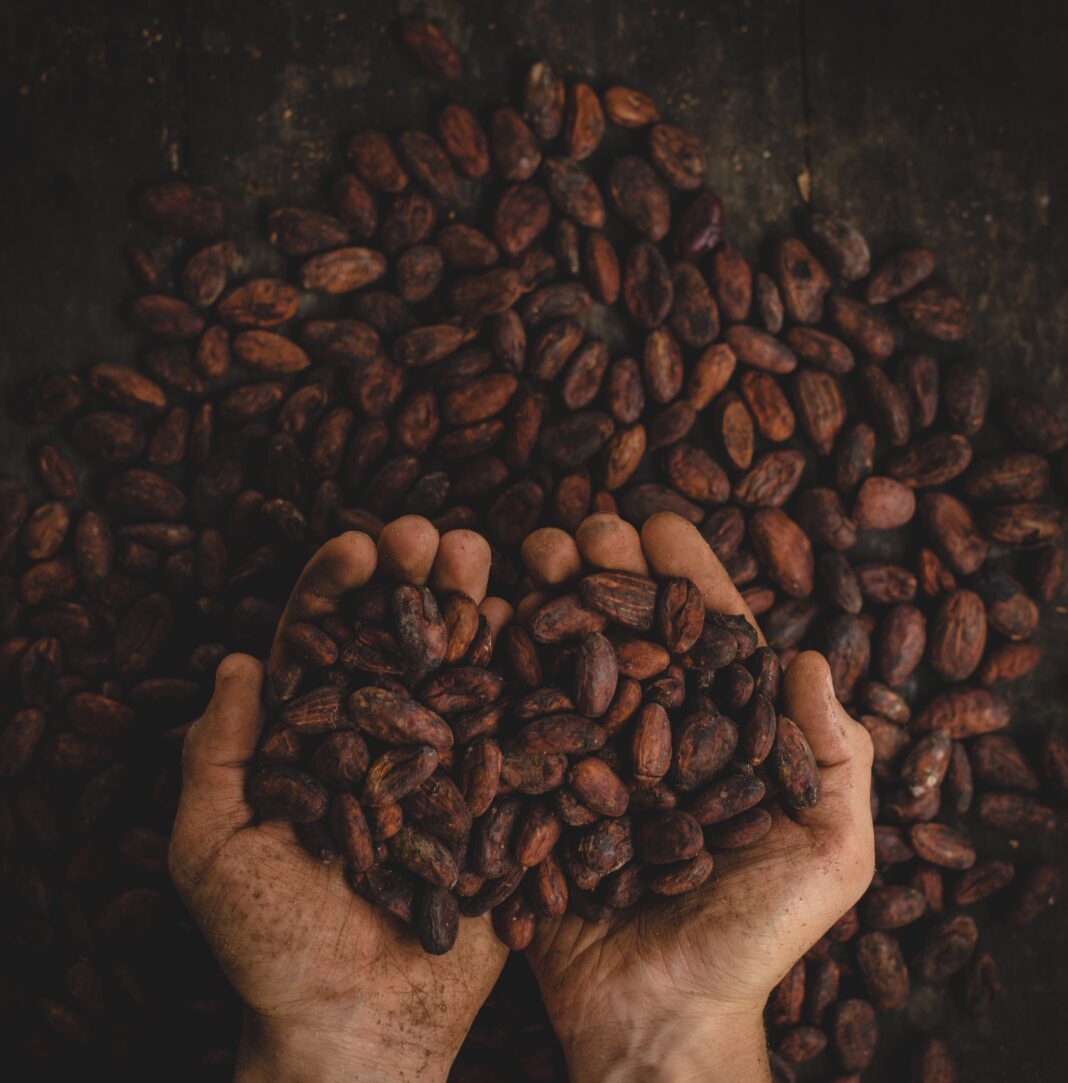
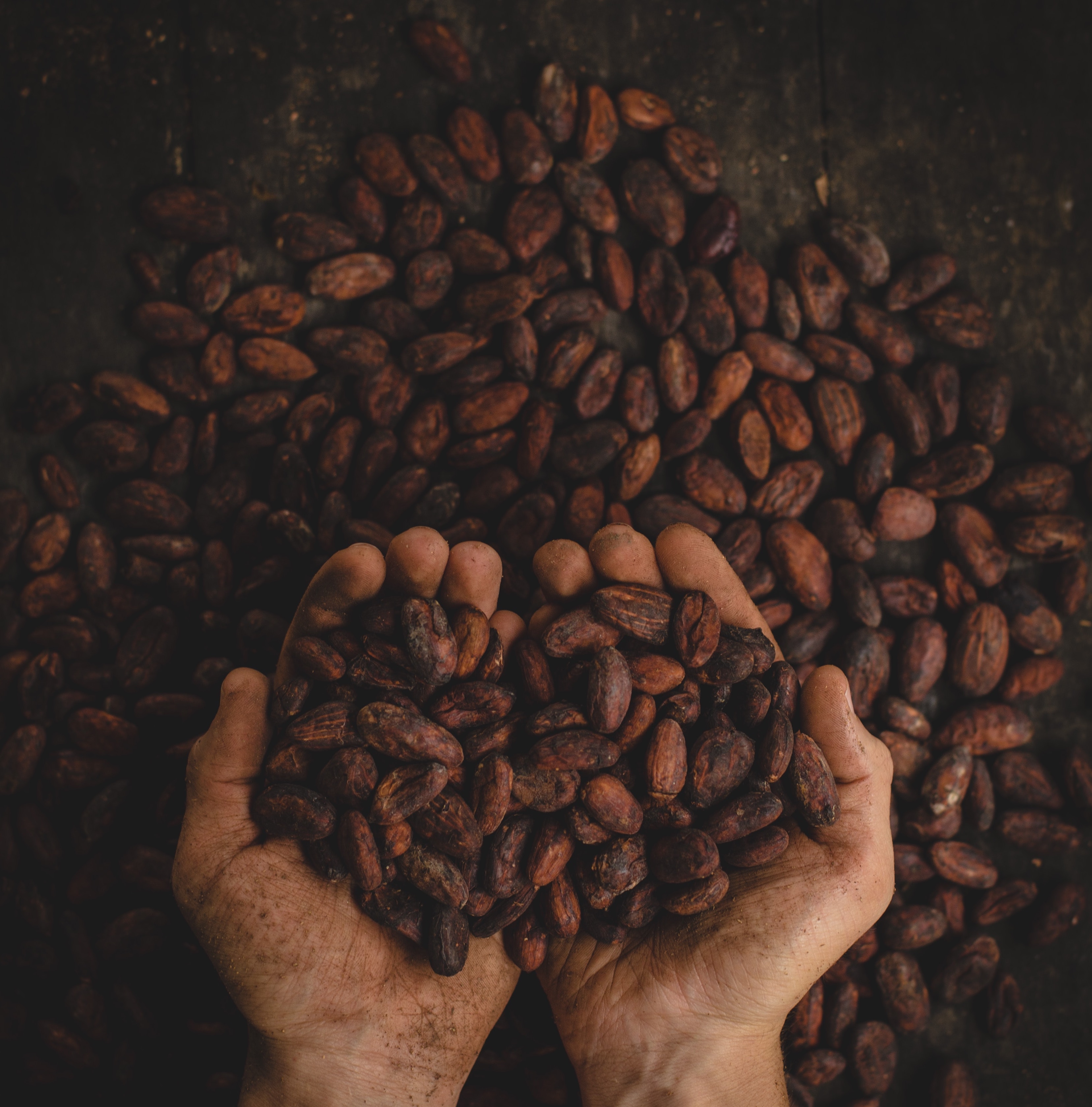
- Cocoa
- Coconut
- Palm Oil
- Rubber
- Spices
- Timber
As long as the companies producing these goods follow the third rule of the list above, they have the possibility to be branded sustainable commodities well into the future.
Why are they becoming more popular?
The increasing popularity of sustainable commodities can be associated with the changing mentality of the investors themselves.
When in the past most people only cared about profit, now investors are moving towards generating profits while not destroying the world as we know it.
Massive shifts from large financial markets such as stocks, currencies and even commodities have been seen towards a more sustainable sector.
People that use Forex demo accounts to start generating immeasurable profits from currencies used to damage the environment, now trade on eco-friendly platforms targeting commodities that bring no harm to the nature around them.
Why such a strategy?
The world runs on profit. We have to face this in order to identify the issue. Although there is no issue running on profit, there’s an issue with how it’s being done. Right now, the most profitable commodities to invest in are things like oil, natural gas, coal and etc. All of these products are the worst things to use in an already damaged climate.
Therefore, by switching the attention to sustainable commodities, the market would be able to focus most of its capital on them, thus derive the value from eco-unfriendly commodities to eco-friendly ones.
Naturally, it’s a years-long process, but it doesn’t mean that it is impossible.
Is it still possible?
Considering all of the news of new innovative companies switching to sustainable energy, more eco-friendly manufacturing doctrines and the overall abandonment of oil and natural gas coming in the future it’s likely that the market will indeed start switching to sustainable commodities.
Once we run out of oil and dig enough coal, it will be up to the commodities that can be infinitely produced to drive the speculation aspect of the financial markets.

In fact, the process has already begun with new plant-based products seen in the Western world and the Sustainable Commodity Initiative signed in 2003 and expanded over the last couple of years.
Potential issues
The only potential issue that has been identified for sustainable commodities is that there might not be enough resources to support the entire demand. What this means is that eradicating non-sustainable methods of producing commodities is currently impossible.
There are also issues of increasing prices on these goods due to increased spending on eco-friendly production and mining.
Furthermore, considering that most energy sources will be moving towards electricity, additional methods of creating this electricity without the use of damaging materials need to be discovered as well, not to mention funding.