
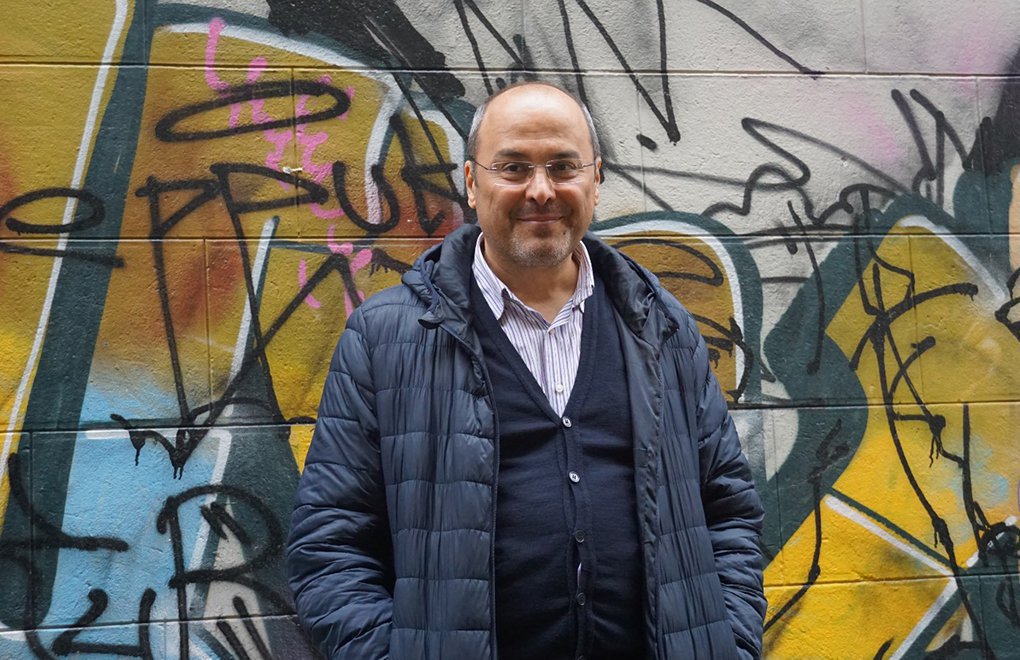
Sik last year in 2018 revealed the results of a study carried out with other scientists for the Ministry of Health between 2011 and 2015 linking the toxicity in soil, water and food to high rates of cancer in several western provinces.
He wrote articles in the Cumhuriyet newspaper after realising the government was not acting on the study’s findings. The study “clearly revealed the extent to which water resources were contaminated by toxic materials,” Sik told reporters after the verdict.
Brothers Ahmet Sik and Bulent Sik fight the Turkish system
“The court ruling shows that the results of a study that directly concerns public health can be hidden. This is unacceptable,” he added.
Sik remained free on Thursday pending appeal. In 2021 he was acquitted but in an interesting turn of affairs his brother, a human rights journalist, went to jail for continuing to reporting on human rights abuses to Kurdish nationals. After serving 14 months he was released.
Pen.org offers more on Ahmet Sik’s story: “Sik is an investigative journalist and writer dedicated to reporting on human rights abuses and government actions in Turkey. He was charged on December 30, 2016, with disseminating terrorist propaganda and denigrating the Turkish Republic in news articles and tweets. The trial of Ahmet Sik, as well as of 17 other writers and administrators associated with the paper Cumhuriyet, began on July 24.
On March 9, 2018 an Istanbul court issued a report releasing Ahmet Şık on bail. In September 2019, Turkey’s Court of Cassation ruled that the Cumhuriyet journalists should be acquitted, with the exception of Şık, who would be tried on separate charges. On November 21, 2019, however, a court reversed that ruling and upheld the conviction of Ahmet Şık and eleven other former Cumhuriyet journalists. Sik has been sentenced to seven years, six months’ imprisonment but has continued to appeal the conviction and is free while the appeal is ongoing. On November 24, 2020, the European Court on Human Rights ruled that Şık’s treatment in the Cumhuriyet trial was a violation of his rights to liberty, security, and freedom of expression.
Talking out against pesticides and children
Bulent Sik, Ahmet’s brother has been outspoken about the effect of toxic pesticides used in agriculture. He told a Turkish newspaper, “The pesticide named chlorpyrifos, which is still a very serious problem in our country in our country, severely harms the development of the nervous system, constitutes a critical example. In other words, this poison has a negative effect on children 6 times longer than an adult. Therefore, the focus of food safety studies is I think it is necessary to put the protection of child health at the top of the list,” he said.
Pollution from the industrial zone of Dilovasi, around 60 miles from Istanbul and home to many chemical and metallurgy factories, was singled out in the report for having cancer rates well above the international average.
“The case against Bulent Sik has been, from the start, a travesty of justice,” Amnesty’s Turkey researcher Andrew Gardner told AFP. “Instead of pursuing a whistleblower through the court, the Turkish authorities should be investigating this important public health issue.”
Turkey has seen a wide-ranging crackdown on many aspects of free speech, especially since a failed coup against President Recep Tayyip Erdogan in 2016.
Bulent Sik had faced up to 12 years in prison, but the court found him not guilty of “obtaining classified information”.
Free Turkey media
Update: after 14 months in jail Ahmet Sik was released. Amnesty International writes:
Journalist Ahmet Sik was released from prison after 425 days in Turkey. But the charges against him haven’t been dropped. He’ll be back in court next week so keep showing solidarity with him & all those jailed in #Turkey. #FreeTurkeyMedia
As of 2022 he has been free but appeal after appeal suggests he could face up to a dozen years in jail for doing the right thing.
Human rights violations in Turkey should not go unreported. If we can’t stop them physically we need to stop supporting Turkish tourism, exports or buying food products from countries that punish people for doing the conscionable thing.