
Walking outdoors under the summer sun can be a trial. The sun beats down, everyone’s hot and thirsty, and people’s tempers are noticeably shorter. It’s harder to exercise outdoors, and no wonder: it’s projected that by 2050 daily temperatures will rise by 2-3 degrees Centigrade.
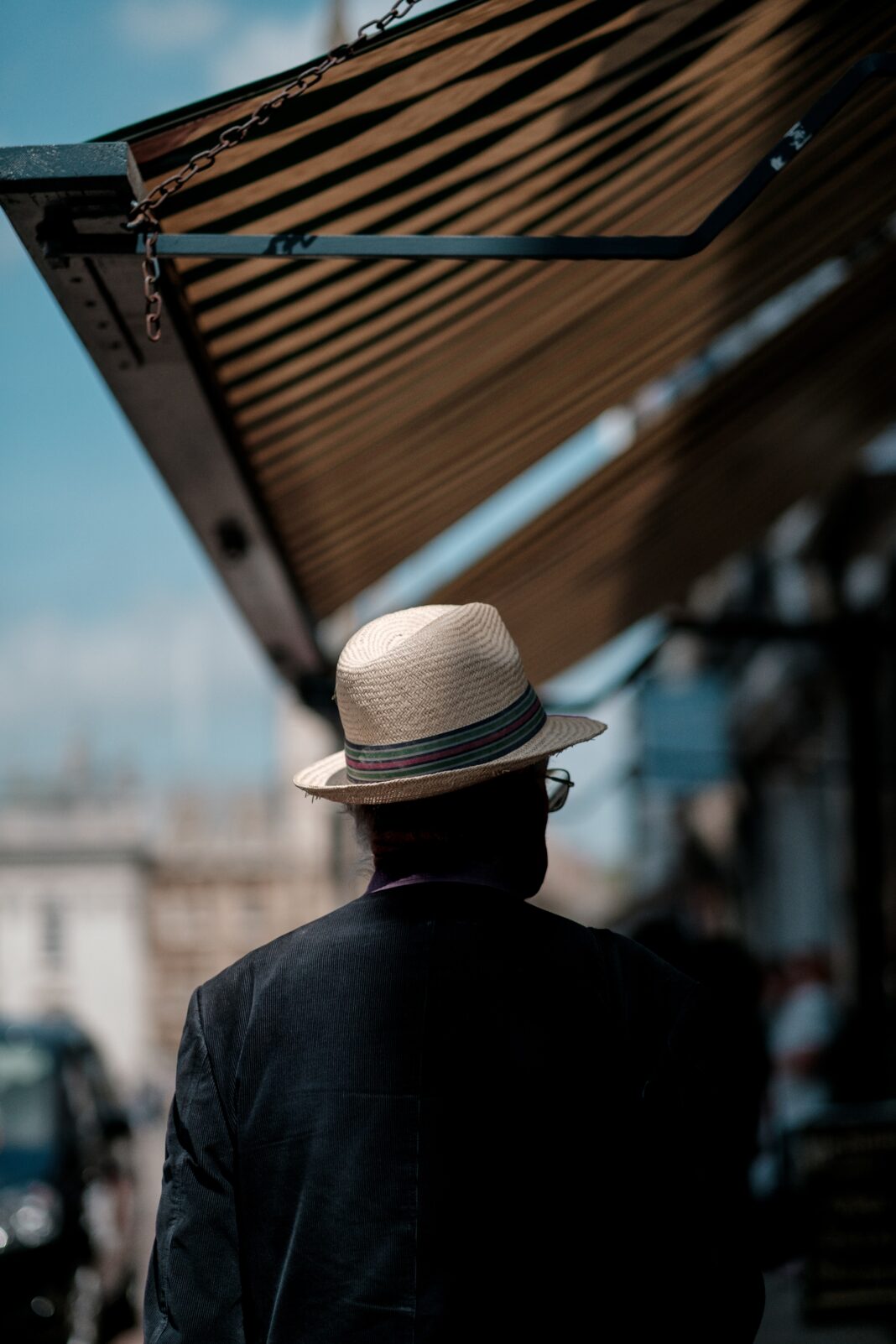
We instinctively feel that shade reduces temperature, and research has also discovered that shade in cities can reduce the thermal load by as much as 50%. You’d think that cities should provide more shade-making structures like pergolas, and plant more leafy sidewalk trees to keep people comfortable.

But there’s more to shade than that.
A recent Israeli report funded jointly by the Ministry of Housing and Construction and the Ministry of Health suggests that when people know there will be shade on their way, they’re more likely to walk or ride their bikes, and less likely to drive. Maybe they don’t think of it as exercise, but it is.
The larger the numbers of people exercising, the deeper the statistical drop of ailments like cardiovascular disease and strokes, type 2 diabetes, colon cancer, breast cancer, and obesity in the population. As is well known, regular physical exercise also strengthens immunities and relieves stress and depression.
Dr. Aviad Hadar, one of the initiators of the report, says,
“Over the past decade, dozens of research papers, articles, and policy documents have been published, demonstrating how the lack of shade in Israel’s public spaces harms public health. There even have been urban design exhibitions aiming to raise awareness of this specific problem.
“It’s important to understand that the presence of shade in urban areas has a crucial impact, either consciously or subconsciously, on the decision to leave the car at home and instead use less or non-polluting alternatives, especially in city centers that suffer from heavy air pollution due to car traffic.”
Let’s consider the global rise of skin cancer, a disease often triggered by sunburn and frequent exposure to the sun. According to the World Cancer Research Fund, 300,000 new cases of melanoma, the most common skin cancer, were reported in 2018.
In Israel, 1,674 patients were diagnosed with melanoma in 2015. 185 died of it. I myself recall with sorrow the death from skin cancer of a friend in my Jerusalem neighborhood; a mother of six. Having access to shade from childhood on can be a factor in preventing such sad outcomes.
How about cleaner air? Trees and bushes planted on sidewalks and road medians absorb and disperse air pollution. We’ve written how houseplants keep the air clean in your home, but on a major scale, making cities greener with shady trees also reduces the amounts of invisible particulates that we absorb with every breath.
But trees for shade are a long-range project; they need years to grow into their maximal shade coverage. Placing artificial structures like pergolas, extensive awnings over shop fronts, and long roofs where crowds come and to, like at Tel Aviv’s HaHagana train station, would be more efficient and timely.
Prof. Nir Becker and Or Neviot are the researchers at the Tel Hai Academic College who wrote the Israeli report on shade. They say that apart from health benefits, shade could have an indirect but powerful effect on the national budget.
An example is a school where $80,000 USD was invested in shading a 200-square-meter outdoor area. Encouraged to play outdoors, 30% of the kids became more physically active at school, with a marked improvement in their health. Annual health benefits for each child cost was about $25 USD, a total of $about $25,000 for the entire school. In less than three years, the initial investment in shade will be recouped and money saved.
Not enough recognition is given to shade’s potential financial benefits. Dr. Amiel Vasl, deputy director of the Ministry of Construction and Housing’s policy department and one of the initiators of the report, says professional publications all say shade is a good thing, and that Israel need lots of it, but there are too many less than useful guidelines. He adds,
“These reports do not examine the potential economic benefits of shade. No one talks about how much money shade could actually save.”
The researchers made cost-benefit analyses of increased urban shade. Comparing the calculated costs to the potential savings obtained, they concluded that shade, which helps reduce disease and mortality, could contribute significantly to the national budget in savings.
“In Israel, a large part of medical treatment is covered by the state. So if a population is healthier due to shade, the country saves money,” says Becker.
Vasl adds that not only children, but adults and especially elderly people, need shady encouragement to walk outdoors.
“The greatest economic benefit comes from making adults walk. It’s a target audience that we ignored until now, and a vital use of shade that needs to be focused on,” he says.
Israel’s savings from shade, the report concludes, could amount to thousands of shekels per capita every year.
So there it is. Shade not only makes Israeli summers more pleasant, it helps keep the population healthy by increasing the desire to exercise outdoors. Shady trees reduce air pollution. Shade could save the country plenty money. Now let’s encourage city planners to get moving on making more shade.