Syrian conflict and broken roads opens new business channels for cycling

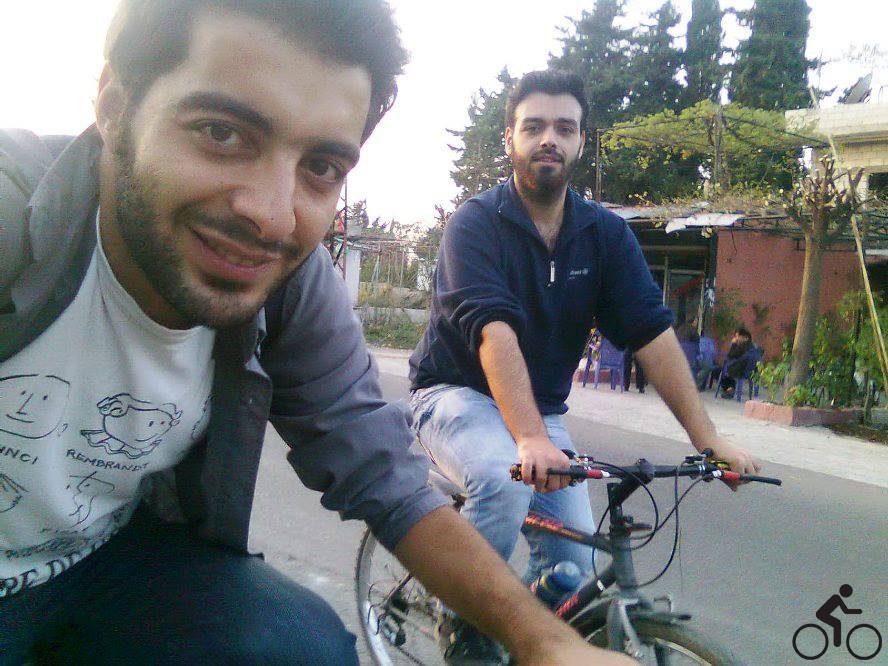
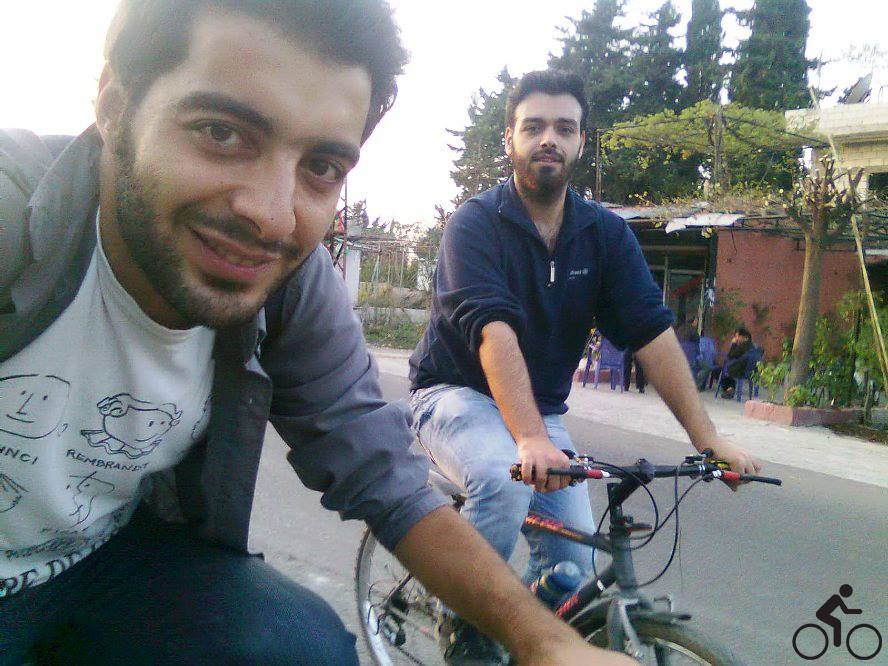
Riding Bicycles in Damascus, SyriaA Facebook campaign called “She Wants a Bicycle Now” led by Syrian college students is getting young people on bikes in impressive numbers.

A shout-out on social media urged participants to cycle to school and park their bikes near their classrooms, a provocative gesture, since (in stark contrast to US and EU schools) most Syrian campuses prohibit bikes.

Organizers, mostly engineering students, told Syria Untold that they aim “to change community habits and promote alternative transportation.”

Bikes reduce pollution and save Syria’s scarce petrol, which doubled in price since 2012.

Three years of brutal war have caused catastrophic losses for most Syrian businesses, but not for the city’s few bike shops. Sales are exploding as young Damascenes increasingly swap their cars for bikes to avoid epic traffic jams caused by hundreds of security checkpoints where every car is army-inspected.

This backdrop of car-woes (over half of the capital’s streets have been closed) likely underpins the wild success of the student campaign.

Hundreds of bicycles appeared on campuses; photos were shared on Facebook and supporters posted personal experiences. Professors joined in, as did local clerics. (Just a few months back only delivery men and newsboys rode bikes.)

Damascus bike ridersThe excellent turn-out was especially remarkable since average bike costs in Damascus hover at 400 Syrian pounds ($30), out of reach for many.

“I get to university in 20 minutes. It used to take me two hours by bus, depending on traffic,” said student Mohammad Sabbagh, “I can do whatever I want with my time now, as I don’t have to wait for the bus anymore.”

Cleric Mohammed Ali Malla posted, “To navigate the streets of Damascus, our only option is bicycles.”  Another user wrote, “When I’m stuck at a checkpoint and I see 32 bicycles in front of my car, I think to myself, I really need a bike.'”  Student Manar Masri said he took up cycling after he stumbled on the Facebook page, “It’s wonderful that all these people, especially young girls, want to cycle.”

In Syria, bicycles have been viewed as a poor-man’s means of transportation, with the emphasis on “man”.  Biking babes had been a rarity in this conservative Muslim country.  Concern over breaking traditions had stopped women, especially those wearing hijab, from using bikes.

“I wear hijab, and this was my first time riding a bike. I left my house with my brother, who encouraged me,” posted one rider, “You can do this on your own”, he told me, ‘Break your barrier of fear!’ This is where my adventure started. I continued and met many checkpoints, but everyone was very nice, some smiled and blessed me. It was an amazing and liberating experience and I encourage every girl to do the same. It feels awkward in the beginning but you quickly get used to it.”

But not everyone supports the idea. According to Middle East Online, a street seller complained as he watched a young woman ride past,  “Now we’ve seen it all!”

Image of Syrian cyclists from “She Wants a Bicycle Now” Facebook page

LEAVE A REPLY

Please enter your comment!
Please enter your name here

TRENDING

Saudi Arabia’s fashion week and bathing suits

Together with the Ministry of Culture, the commission is working to unlock a thriving cultural sector to preserve and elevate the traditions that make the Kingdom unique.

The Muslim headscarf and caring for “hijab hair”

In the diverse tapestry of Islamic culture, the hijab stands as a symbol of modesty, identity, and faith for Arab and Muslim ladies. We firmly believe wearing a hijab or a Muslim head scarf should be an act of faith and a woman should always decide. Some women believe the hijab is empowering. But how to avoid nasty hijab hair?

Child bride hangs for murdering her husband

Child bride at 15 hangs for killing her abuser husband.

Death by modesty police? Iranian women burn head coverings to protest #MahsaAmini

A young Iranian woman, 22, has died in custody after being arrested by Iran’s morality police for improper clothing. Her death sparked anger on social media under her name #MahsaAmini.

Without a hijab? Iran’s surveillance cameras will track and punish you

Like China who has been using AI and facial detection surveillance to pinpoint people breaking lockdown, Iran's morality police are using cameras to catch women without a head covering –- a moral sin in Iran.

6 Payment Processors With the Fastest Onboarding for SMBs

Get your SMB up and running fast with these 6 payment processors. Compare the quickest onboarding options to start accepting customer payments without delay.

Qatar’s climate hypocrisy rides the London Underground

Qatar remains a master of doublethink—burning gas by the megaton while selling “sustainability” to a world desperate for clean air. Wake up from your slumber people.

How Quality of Hire Shapes Modern Recruitment

A 2024 survey by Deloitte found that 76% of talent leaders now consider long-term retention and workforce contribution among their most important hiring success metrics—far surpassing time-to-fill or cost-per-hire. As the expectations for new hires deepen, companies must also confront the inherent challenges in redefining and accurately measuring hiring quality.

8 Team-Building Exercises to Start the Week Off 

Team building to change the world! The best renewable energy companies are ones that function.

Thank you, LinkedIn — and what your Jobs on the Rise report means for sustainable careers

While “green jobs” aren’t always labeled as such, many of the fastest-growing roles are directly enabling the energy transition, climate resilience, and lower-carbon systems: Number one on their list is Artificial Intelligence engineers. But what does that mean? Vibe coding Claude? 

Somali pirates steal oil tankers

The pirates often stage their heists out of Somalia, a lawless country, with a weak central government that is grappling with a violent Islamist insurgency. Using speedboats that swarm the targets, the machine-gun-toting pirates take control of merchant ships and then hold the vessels, crew and cargo for ransom.

Leopoldo Alejandro Betancourt López Turned Ocean Plastic Into Profitable Sunglasses

Few fashion accessories carry the environmental burden of sunglasses. Most frames are constructed from petroleum-based plastics and acrylic polymers that linger in landfills for centuries, shedding microplastics into soil and waterways long after they've been discarded. Leopoldo Alejandro Betancourt López, president of the Spanish eyewear brand Hawkers, saw this problem differently than most industry executives.

Why Dr. Tony Jacob Sees Texas Business Egos as Warning Signs

Everything's bigger in Texas. Except business egos.  Dr. Tony Jacob figured...

Related Articles

Popular Categories