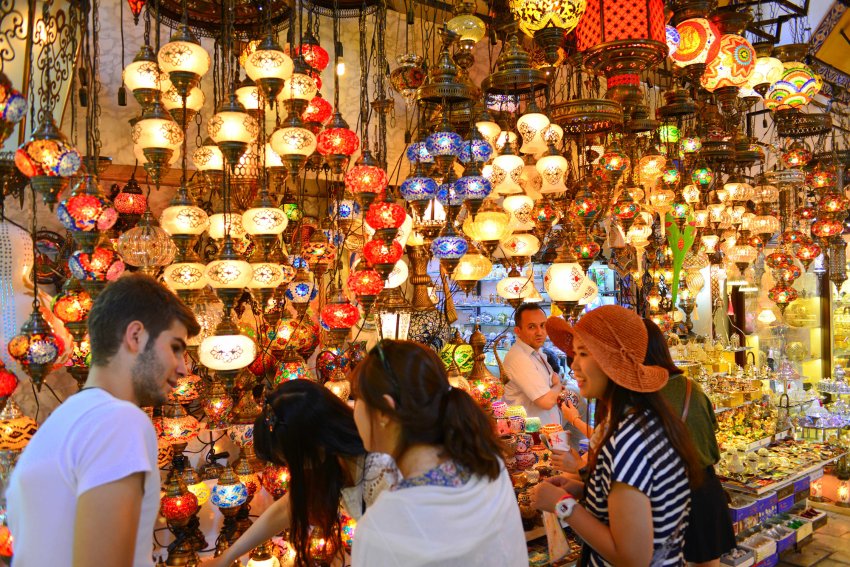
India’s rupee is dropping fast against the American dollar, but the world’s biggest market crash may happen in Turkey if the management of Istanbul’s Grand Bazaar is to be believed.
A new report suggests that centuries of uncontrolled change may have rendered the sprawling marketplace structurally unstable; add a fire or earthquake to the mix and buyers beware.
The labyrinthine Grand Bazaar is located in Eminönü, the European section of Istanbul. With 15 million annual shoppers, it’s one of the largest and most popular covered markets in the world.
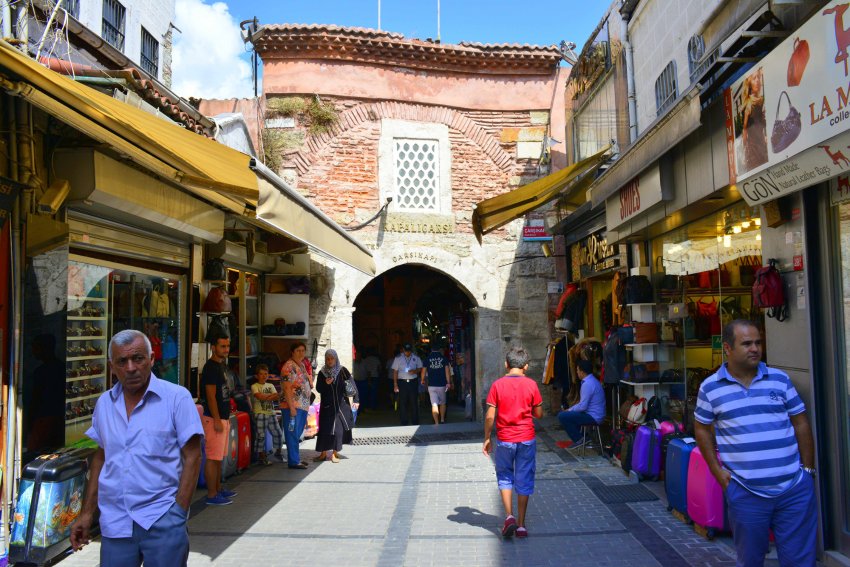 Bazaar managers claim that vendors have, without permission or engineered designs, enlarged their shops by removing portions of the building, hollowing out walls and tunneling to create additional storage.
An investigation revealed that 926 businesses had “thinned” their shop walls, and another 135 had removed structures completely to gain more space. Old roofs are overburdened by the weight of modern air conditioners, water tanks, and satellite dishes. Plumbing and electrical lines are threaded through randomly punctured walls.
Released last week, the inspection report alleges that the original vaults are unstable and suggests that this human beehive of society and commerce is in danger of collapsing. Shopkeepers see it differently. Mehmed, a third-generation cloth vendor, told Spiegel Online, “That’s nonsense. Yes, it is time that something is done, but this isn’t going to collapse tomorrow.”
This centuries-old market is a labyrinth of over 60 covered streets and 4,000 shops. Construction began 40 years before Columbus set sail for the Americas, with the bazaar assuming its current footprint by the start of the 1600s. It’s been pummeled by earthquakes and fires, and subsequently renovated. But with bazaar ownership as complex as its floor plan, establishing a regular and robust maintenance program is a challenge.
Some of the spaces belong outright to vendors, some are city-owned, and still others are the property of the state or private foundations. Shop owner Aydin, said, “This is actually about deciding who is supposed to pay for the refurbishing. I don’t accept that we vendors should carry the costs all on our own.”
The bazaar association says that over 22,000 people work there. How disruptive would renovations be to their livelihoods? And how do you schedule construction in a place visited daily by hundreds of thousands of people?
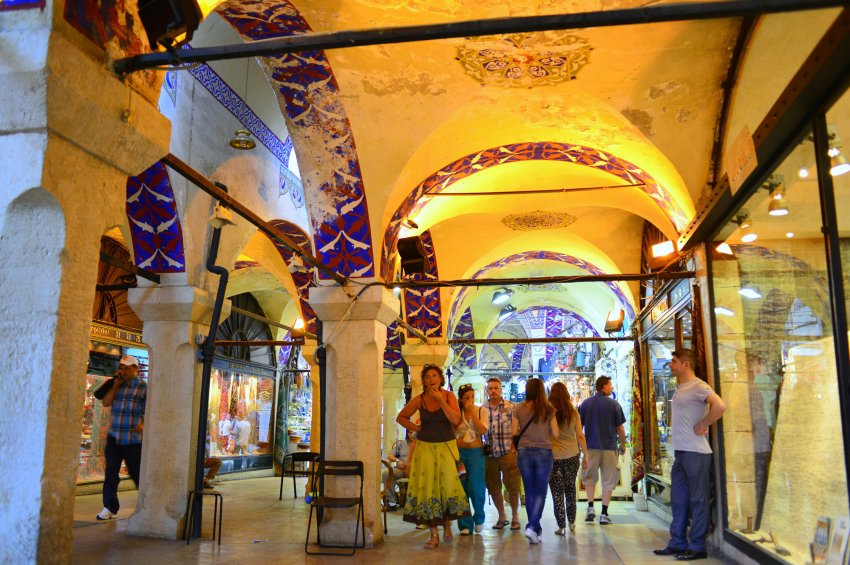 Several vendors claim that major rehabilitation is just a threat. “I’ve worked here for more than 20 years,” said an elderly pipe-seller, “How many times have I already heard that the market halls were going to collapse? How many times did they threaten to remove illegal additions? Nothing has ever happened.”
It’s a matter for serious consideration by the Istanbul building authority, but the Ministry of Culture and Tourism would be wise to step in. Tourists are a critical economic factor in Turkey. The nation is investing heavily in touristic development aimed at Asian markets and a third Istanbul airport (tagged to be the world’s largest) is in the works.
Media warnings over the unsafe market halls may scare off visitors, and inspire a Middle Eastern revision to the traditional western nursery rhyme, “London Bridge is Falling Down”.
First image of Grand Bazaar from Shutterstock, others from Spiegel Online