
Better Place Bankruptcy is a Sad Day for Electric Car Industry

It is a sad day. Better Place’s battery swap technology is an obvious and practical technological solution to a basic problem of physics and electrochemistry, it is both dangerous and difficult to rapidly charge a chemical battery. While we wait for supercapacitors and methanol fuel cells, Better Place had a solution that worked well with proven technology. Last summer a Renault Zoe using Better Place technology set a 24 hour electric car distance record.

But anyone who follows technology should understand that economic and social factors often get in the way of steady technological progress. Just look at automobile history:

The rechargeable battery electric car was invented by French physicist Gaston Planté in 1856.  In 1878, a Methodist minister named John Wesley Carhart proved that a steam-powered car he named the “Spark” could travel long distances under its own power.

But when it frightened a valuable horse belonging to industrialist J.I. Case to death, it was banished from the city and the world would have to wait until 1886 when Karl Benz and then later Henry Ford would bring back an idea whose time had finally come.

Similar examples of technological regressions and reinventions can be found in the history of electric lighting. Better Place had a better idea for electric car charging, and if we can learn anything from history– most good ideas eventually see the light of day.

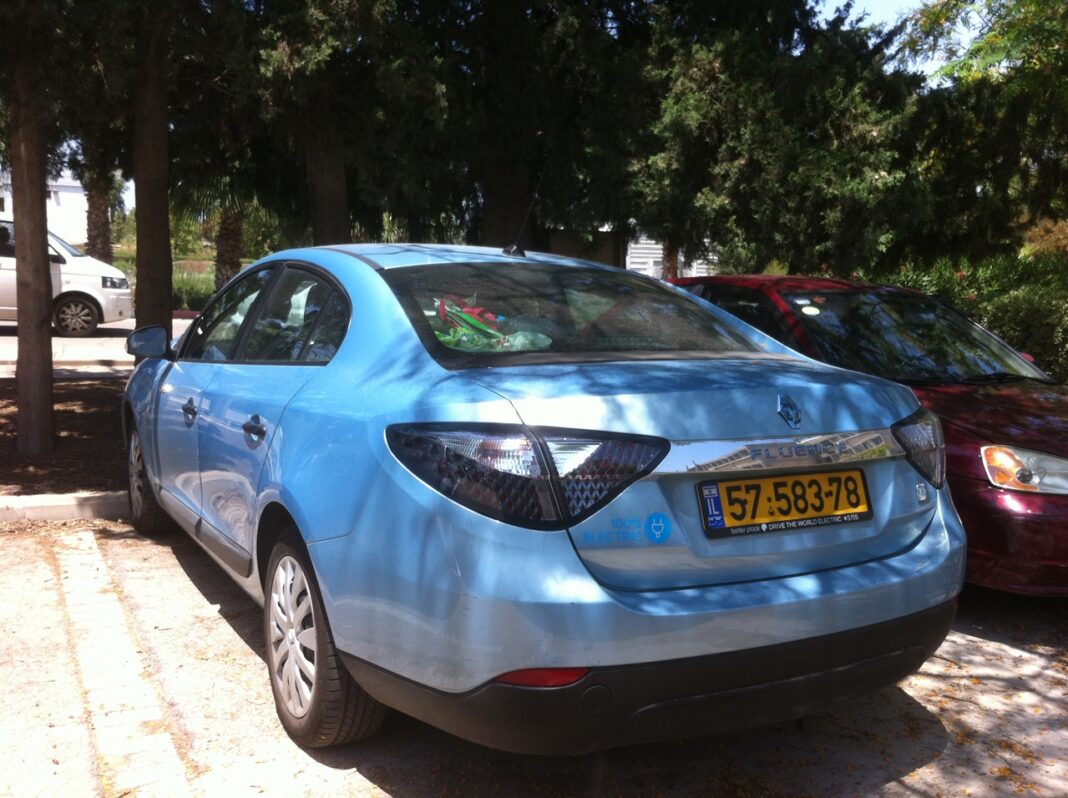
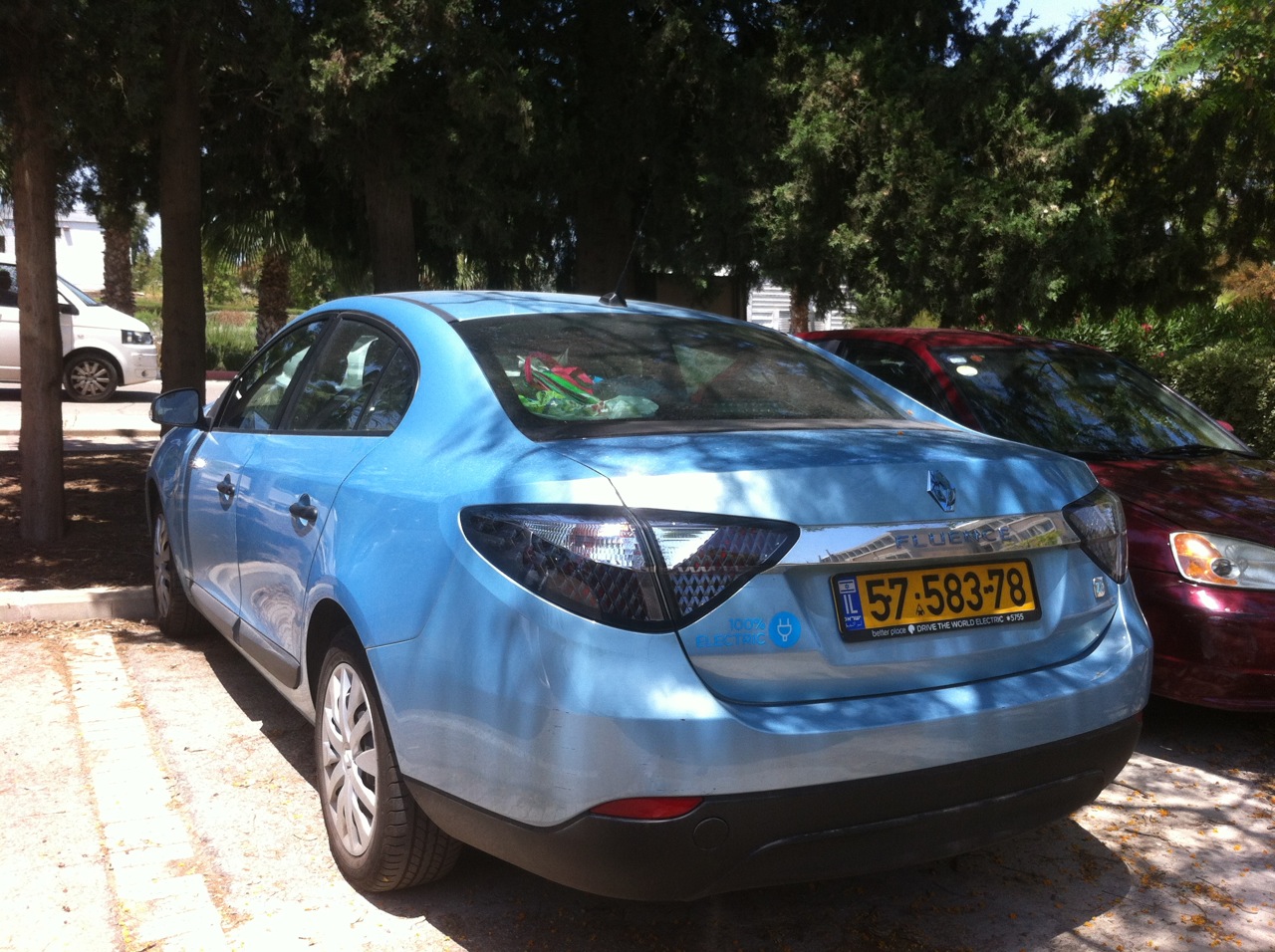
Israel’s pioneering electric car company, Better Place filed for bankruptcy on May 26, 2013— six short years after its founding by former SAP executive Shai Agassi and only one year after Better Place began commercial operation in Israel. The company filed a motion with the Lod district court for an orderly dissolution to help protect employees after depleting nearly $850 million of investment money.

In an announcement on their corporate website, Better Place’s board of directors were quoted as saying, “This is a very sad day for all of us. We stand by the original vision as formulated by Shai Agassi of creating a green alternative that would lessen our dependence on highly polluting transportation technologies.

“While he was able with partners and investors to overcome multiple challenges to demonstrate that it was possible to deliver a technological solution that would fulfil that vision. Unfortunately, the path to realizing that vision was difficult, complex and littered with obstacles, not all of which we were able to overcome. The technical challenges we overcame successfully, but the other obstacles we were not able to overcome, despite the massive effort and resources that were deployed to that end.”

Brian Nitz
Brian Nitzhttp://www.greenprophet.com
Brian remembers when a single tear dredged up a nation's guilt. The tear belonged to an Italian-American actor known as Iron-Eyes Cody, the guilt was displaced from centuries of Native American mistreatment and redirected into a new environmental awareness. A 10-year-old Brian wondered, 'What are they... No, what are we doing to this country?' From a family of engineers, farmers and tinkerers Brian's father was a physics teacher. He remembers the day his father drove up to watch a coal power plant's new scrubbers turn smoke from dirty grey-back to steamy white. Surely technology would solve every problem. But then he noticed that breathing was difficult when the wind blew a certain way. While sailing, he often saw a yellow-brown line on the horizon. The stars were beginning to disappear. Gas mileage peaked when Reagan was still president. Solar panels installed in the 1970s were torn from roofs as they were no longer cost-effective to maintain. Racism, public policy and low oil prices transformed suburban life and cities began to sprawl out and absorb farmland. Brian only began to understand the root causes of "doughnut cities" when he moved to Ireland in 2001 and watched history repeat itself. Brian doesn't think environmentalism is 'rocket science', but understanding how to apply it within a society requires wisdom and education. In his travels through Europe, North America, Asia and the Middle East, Brian has learned that great ideas come from everywhere and that sharing mistakes is just as important as sharing ideas.

TRENDING

7 electric cars for 2025

As the world continues its shift toward more sustainable modes of transportation, the electric vehicle (EV) market is growing, with new models for 2025 setting new standards in performance, technology, and eco-friendliness. Whether you're a seasoned EV enthusiast or a newcomer to the electric car world, 2025 promises to bring exciting options for every driver.

One quarter Israel’s cars are electric but green taxation isn’t working

Researchers say that the money invested in green taxation in Israel does not achieve its public goals. Instead of reducing pollution, greenhouse gas emissions, and encouraging electric vehicles, it has become a strategic pricing tool used by car importers to influence their profits.

Electric battery materials, like lithium, entering our food chain

“A lot of people think the use of lithium-ion batteries is a good thing right now, but it is important to explore the effects that may be coming down the road."

Deep sea mining hurts jellyish

Deep sea miners want to explore faster than science can show how devastating mining for minerals on our last frontier can be.  So science is working to pick up the pace so deep sea mining will not happen without a major shift in policy and research. The latest research to come out is that deep sea mining can harm jellyfish. 

Deep sea mining and killing the seas so you can drive an electric car

Strange creatures live in the deep seas. Mining will destroy ecosystems.

Turning Your Energy Consultancy into an LLC: 4 Legal Steps for Founders in Texas

If you are starting a renewable energy business in Texas, learn how to start an LLC by the books.

Tracking the Impacts of a Hydroelectric Dam Along the Tigris River

For the next two months, I'll be taking a break from my usual Green Prophet posts to report on a transnational environmental issue: the Ilısu Dam currently under construction in Turkey, and the ways it will transform life along the Tigris River.

6 Payment Processors With the Fastest Onboarding for SMBs

Get your SMB up and running fast with these 6 payment processors. Compare the quickest onboarding options to start accepting customer payments without delay.

Qatar’s climate hypocrisy rides the London Underground

Qatar remains a master of doublethink—burning gas by the megaton while selling “sustainability” to a world desperate for clean air. Wake up from your slumber people.

How Quality of Hire Shapes Modern Recruitment

A 2024 survey by Deloitte found that 76% of talent leaders now consider long-term retention and workforce contribution among their most important hiring success metrics—far surpassing time-to-fill or cost-per-hire. As the expectations for new hires deepen, companies must also confront the inherent challenges in redefining and accurately measuring hiring quality.

8 Team-Building Exercises to Start the Week Off 

Team building to change the world! The best renewable energy companies are ones that function.

Thank you, LinkedIn — and what your Jobs on the Rise report means for sustainable careers

While “green jobs” aren’t always labeled as such, many of the fastest-growing roles are directly enabling the energy transition, climate resilience, and lower-carbon systems: Number one on their list is Artificial Intelligence engineers. But what does that mean? Vibe coding Claude? 

Somali pirates steal oil tankers

The pirates often stage their heists out of Somalia, a lawless country, with a weak central government that is grappling with a violent Islamist insurgency. Using speedboats that swarm the targets, the machine-gun-toting pirates take control of merchant ships and then hold the vessels, crew and cargo for ransom.

Related Articles

Popular Categories