
Late winter in the Middle East brings lower prices in the market
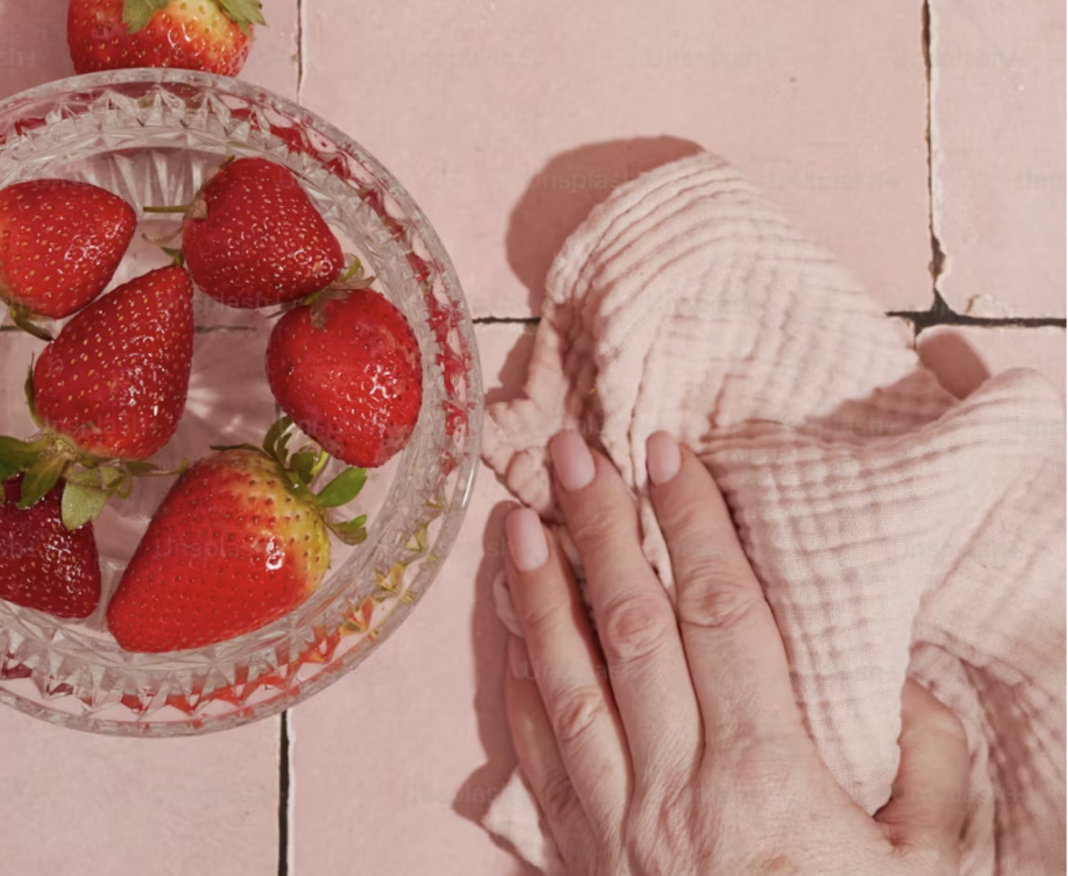
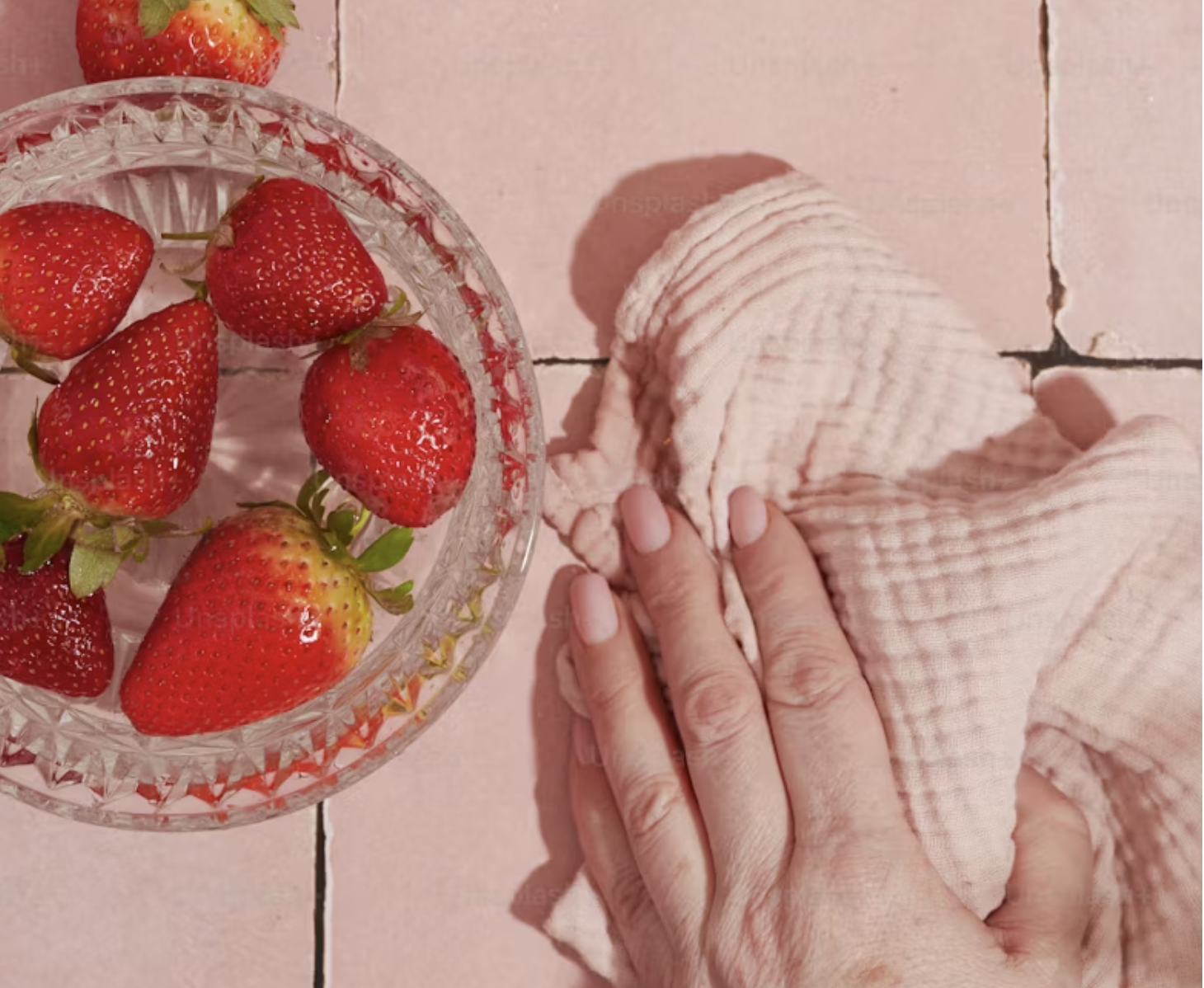
It’s strawberry time again in the Middle East. The sweet red berry’s price has come down to the point where even a careful shopper can allow herself a little indulgence. But let’s wait another 4 to 6 weeks for prices to fall even more; then we can economically make strawberry preserves to last the whole year.
All citrus continue in full flush. Big pomelos with thick rinds, thin-skinned clementines, oranges (see our Moroccan orange salad recipe), lemons – including the little, round lemons so good for pickling in salt – are still abundant and inexpensive. Kumquats are practically falling off the trees in gardens, and in the shuk their price is reasonable.
Vegetables
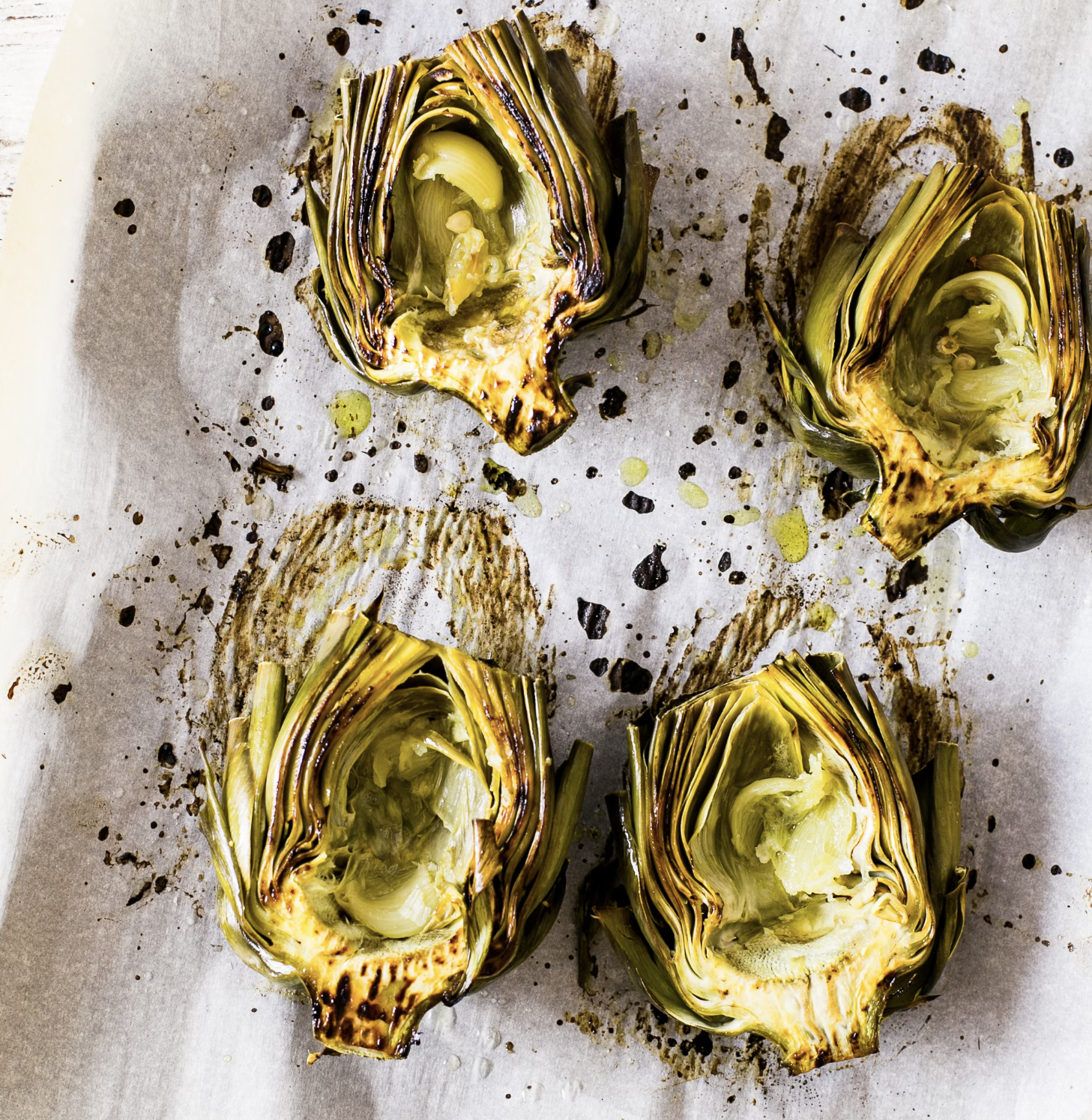
Artichokes are in the markets and coming down in price, but still not in full season. Red and green cabbages are excellent and inexpensive. All the nightshade family vegetables are looking handsome, with fair prices: eggplants, tomatoes, peppers, red and white potatoes.
Root vegetables are always best in winter, when plants store most nutrition in their underground parts: carrots, kohlrabi, beets, turnips and radishes. Now we see black Spanish radishes, daikon and other white radishes as well as the usual round red ones. Celeriac and parsley root are excellent now – peel and put them in your soup, or roast them as you would potatoes. Jerusalem artichokes, full and lovely with their brown/pink coloring, are not cheap but worth buying for an excellent roast vegetable side dish, or soup.
Zucchini and all squashes are at reasonable prices although not at their very best. Pumpkins, however, are good, and not expensive now. Try a soup of pumpkin and squashes, with a bay leaf, some cilantro, an onion and a medium potato. Remove the bay leaf and blend the soup before serving. Simple and comforting.
Slender hot-house cucumbers are always stacked up high on the vendor’s tables. Indeed I wonder how Middle Easterners would survive without their tomatoes and cucumbers. Both are at surprisingly good prices, given that they’re really hot-weather plants. Yellow and red cherry tomatoes, probably hot-house produce, are good but expensive.
Local garlic isn’t worth buying now, being last year’s crop – withered and sprouting. Yet if you’re determined to avoid imported garlic which may be processed with chemicals, it’s a cook’s only choice. I’m still cooking with sprouted garlic – as long as it’s sound inside (not rotten), it still works. Onions are cheap but have to be chosen carefully at this time: most are also sprouting.
Fennel, cauliflower and broccoli are handsome and worth buying, even at the slightly higher price than January’s.
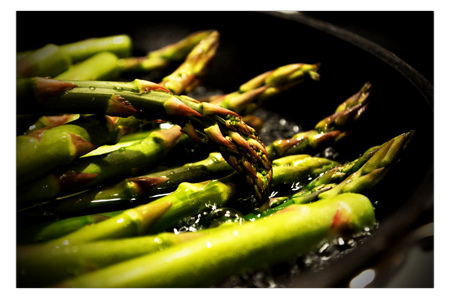
Asparagus, never cheap but now quite attractive, has started its season. Mushrooms seem to be in season all the time nowadays – probably because they’re cultivated indoors. String beans and flat Italian green beans are good now – another slightly expensive vegetable treat.
Herbs in season
Fenugreek, watercress, sour grass (schav), parsley, bitter wormwood (sheba) coriander, dill, mint, Thai basil, tarragon, chives, scallions. Always displayed together with Swiss chard and lettuces, the herb displays at the shuk fill up big tables.
Lettuces are varied and good: cos (Arab) lettuce, iceberg, ruffled purple and green. Celery stalks are fat and good.
Avocados, which we treat as a vegetable although they’re a tree fruit, are very abundant and cheap. Now’s the time for guacamole.
Fruits in Season
Fruit: There are still a surprising amount of beat-up pomegranates. Last season’s big food fad was pomegranate seeds, which is probably why there’s surplus now. Bananas are handsome and sweet. Apples are slightly higher priced. Pears are still in, but not very good – at least, the ones I’ve seen. Persimmons are in season and their high Vitamin A content makes it worth eating a couple every week.
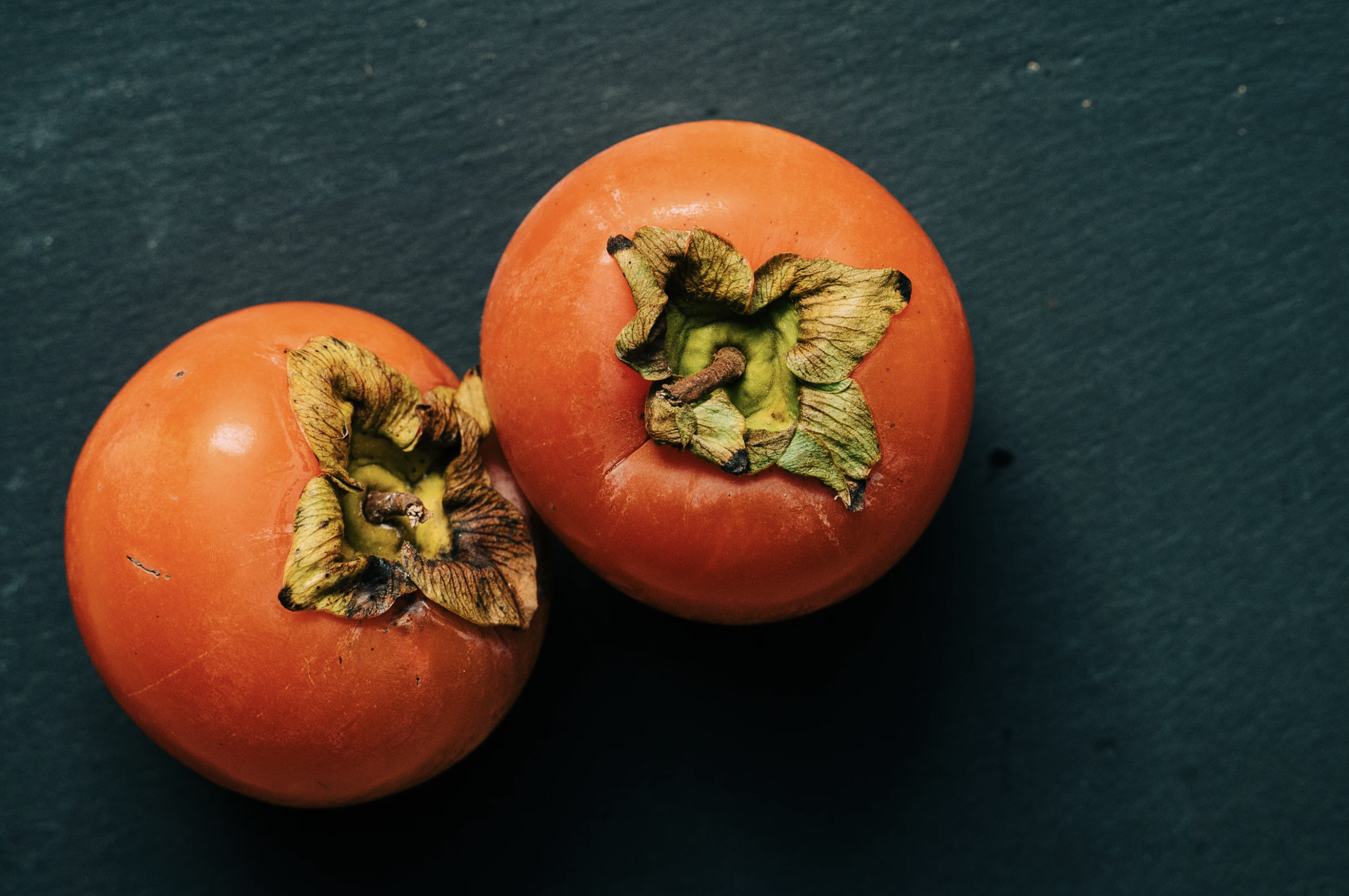
Kiwis are also in full season, but are expensive. Passion fruit is in the shuk now. There are some grape varieties and melons, but unless you have a serious craving, they’re best left for their proper seasons. The yellow, angled carambola fruit is to be found, but being a specialty fruit, is more a treat than part of the daily diet. There are plenty of very small pineapples, each quite cheap but only yielding enough meat for 1-2 servings. The most worthwhile fruit right now is citrus.
Forager’s Notes for February
Wild mustard has turned empty fields and lots yellow now. These weeks are the best for picking wild edibles and medicinals. Pick now before they become infested with warm-weather snails and caterpillars: nettles, mallows, plantain leaves, wild yellow and white mustard, cleavers, chickweed, henbit, chicory, shepherd’s purse, sow thistle, milk thistle, wild marigolds, wild beets, fumaria, herb Robert. In hilly cold regions you may find early dandelions.

Avid photographers may want to go on field trips to capture citrus and almond blooms on the trees. A lovely thing to do with citrus flowers is to stir them into a little honey. Close the jar loosely – the juices in the blooms will ferment on contact with the honey and you may get a pop! when you next open the jar. Leave the honey alone to infuse for a week or two – it will be deliciously flavored with the flowers then.
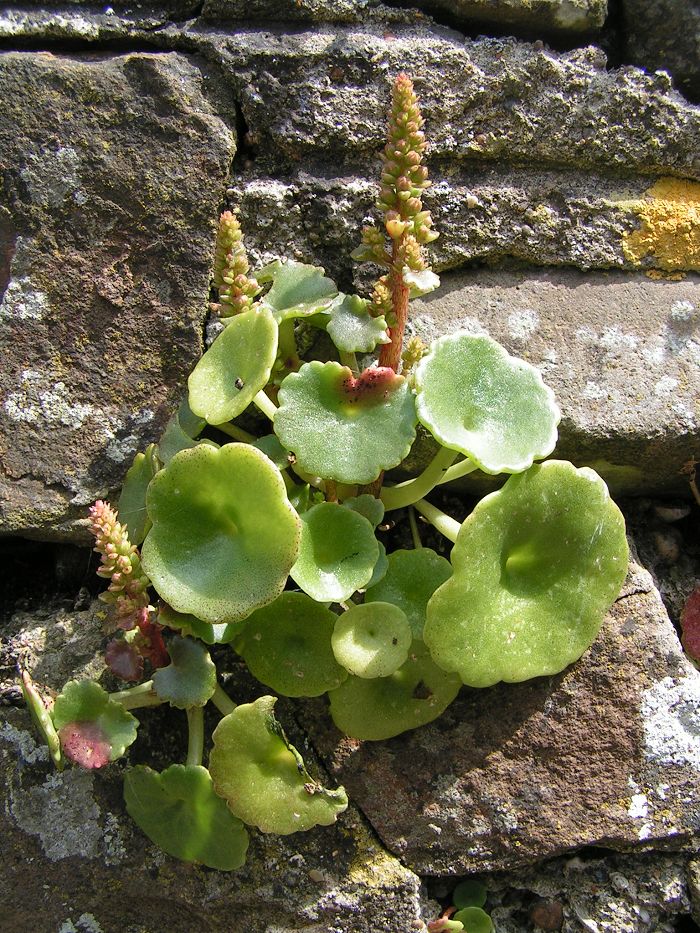
Start looking for navelwort if you make your own moisturizers – infusion of navelwort is wonderful in lotions. Easy wild skin care recipe: collect all the yellow flowers except for mustard: pour 1 cup boiling water over a good handful of them: allow to steep 4 hours. Strain, warm up gently (do not boil again) and use the tea as a cleansing facial rinse. Pat dry. (You do not want mustard flower tea on your face or in your eyes!)
Seasonal recipes using local ingredients on Green Prophet:


I liked the section about foraging!
Adam, I hope you like your pumpkin soup!
These posts deal with local produce in the Middle East. If you live in a Western country, quality and prices of produce are going to be different. Late winter is the only time that onions aren’t great here. Come late March, they will be firm and lovely again.
I thought onions were good year round, what season are they?
I had never head of pumpkin soup, I will have to try that,
I never find the avocados to be cheap they are always expensive (any kind) but taste great, what is an average price for an avocado when you said cheap?
look forward to your reply
Adam
You’re welcome, Sa’ada. Let me answer your questions backwards.
Snails and caterpillars are not kosher in Judaism – I don’t know about in Islam. Either way, if you plan to eat leaves raw, you don’t want their bacteria on them.
Plant identification is best done with a field guide, if you can get one. Usually you need to wait till a plant flowers to be sure of what it is. Yes – you can send photos to me – click on my name under the Featured Writers menu here for my email. Hopefully I’ll be able to identify at least some.
Where an area has been sprayed, there’s lots of wilted vegetation. But the only way to know for sure is to ask people who live in the area.
Hope this helped.
thanks, miriam, for this month’s installment. i wish i could go foraging but i’m in khobar and there is not much to pick around here. when i do see something green i’m usually not sure that it’s edible and i’m never sure that it hasn’t been sprayed. if i send pictures of plants could you help me identify them? and how do you know if an area has been sprayed?
about the snails and caterpillars, is there some reason to avoid them?