
UAE Stands By Its Nuclear Plans

nuclear-middle-east-power-uae-emirates Despite the Fukushima nuclear power disaster, the energy minister of the United Arab Emirates states that they will stick by their nuclear energy plans

With Jordanians taking to the streets to protest the dangers of developing nuclear power and the recent nuclear accident in France following hot of the heels on the Fukushima disaster, you would think that the Middle East would be seriously re-thinking any nuclear plans. Well, you would be wrong. For the United Arab Emirates at least, nuclear power is still firmly on the table for future energy plans.

Speaking at the World Economic Forum’s ‘Annual Meeting of the New Champions’ in China, the United Arab Emirates Minister of Energy Mohammed Bin Dhaen Al Hamli said that the incident at the Fukushima nuclear station had not derailed the UAE’s nuclear plans. Rather, it had helped put a much greater emphasis on nuclear safety.

“Our strategy for nuclear power will not change because of the Fukushima incident,” he told Globes-Online. “We have a lot of oil and gas, but we must renew and diversify, including into nuclear energy.” The minister added that as the nuclear plans for the UAE were still in their infancy, they would be able to incorporate the latest safety features.

The UAE plans to construct four nuclear power plants, the first of which will be ready in 2017.The US$20 billion project is expected to produce 5,600 megawatts of energy which would provide up to a quarter of the Emirate’s electricity needs.

It has also been revealed these nuclear reactors will be built on the Abu Dhabi coast, just 300 kilometres away from the capital of the UAE. Consequently the government has been conscious of the need to hold various public events and consultations to address concerns that locals will be having.

The United Arab Emirates government has justified the four nuclear plants by pointing to the ballooning demand for electricity in the country. However, a recent report by the UK-based sustainability consultancy Carboun showed that energy subsidies in countries such as the UAE are pushing up the consumption of electricity by keeping prices artificially low. As such, consumers are using more and more as they are cushioned from impact of high costs.

With this in mind, a carefully considered policy which takes into consideration the use as well as cost of electricity seems the more logical solution than building four very expensive nuclear reactors. Whatsmore, the UAE has one of the largest carbon footprints in the world and yet plans to generate only around 3% of their energy from renewable sources by 2020.

:: Globes-Online and The National

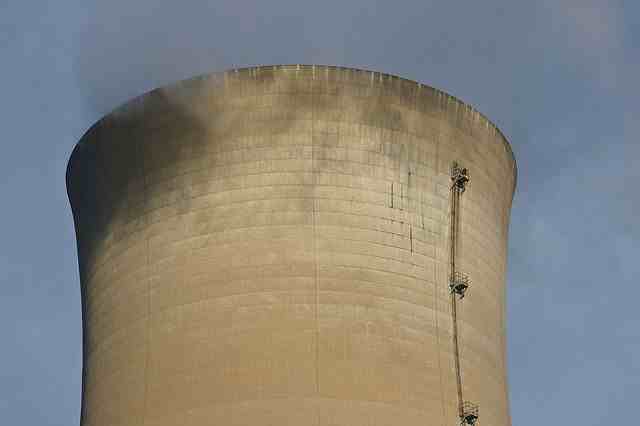
: Image via Paul J Everett/flickr.

For more nuclear power in the Middle East see:

Jordan Pushes On With Its Nuclear Plans
Despite Japan, Turkey Goes Ahead With Nuclear Reactors

Who Needs 11 Nuclear Plants

Risks Of Nuclear In Volatile Middle East

Arwa Aburawa
Arwa Aburawahttp://www.greenprophet.com
Arwa is a Muslim freelance writer who is interested in everything climate change related and how Islam can inspire more people to care for their planet and take active steps to save it while we can. She is endlessly suspicious of all politicians and their ceaseless meetings, especially as they make normal people believe that they are not part of the solution when they are the ONLY solution. Her Indian auntie is her model eco-warrier, and when Arwa is not busy helping out in the neighborhood alleyway garden, swap shopping or attempting fusion vegetarian dishes- with mixed success, she’d like to add- she can be found sipping on foraged nettle tea.

TRENDING

Egypt building nuclear power

Egypt is building a nuclear energy plant, expected to go online in 2026 when countries like Germany have shut down all its domestic nuclear power. The El Dabaa Nuclear Power Plant is the first nuclear power plant planned for Egypt and will be located at El Dabaa, Matrouh Governorate, Egypt, about 320 kilometers northwest of Cairo. 

How Israel’s Strikes Avert Iran’s Environmental Threat

The strikes on Iran have sparked fierce debate, but from Israel’s perspective, the choice was easy: either accept the risks of a nuclear Iran or act decisively to stop it.

The Future of Energy: Nuclear Realism vs. Solar Idealism

Martin Varsavsky, a seasoned entrepreneur behind billion-dollar clean energy exits, says he’s lost faith in the renewable energy paradigm. Moshe Luz, director at Ivanpah, the world’s largest solar thermal power tower project in California’s Mojave Desert, believes just the opposite.

Bringing back the farm after a nuclear meltdown

Since the 1990’s scientists in Ukraine and overseas have been saying that the land can be safely used again despite contamination by radiocaesium and radiostrontium. But political complexities have meant that the land remains officially abandoned. That hasn’t stopped a few farmers taking matters into their own hands and beginning unofficial production in some areas. The new study has confirmed that the farmers were right – crops can be grown safely in most areas.

Spain and Portugal’s Renewable Energy Blackout: A Wake-Up Call for Europe’s Green Transition​

On April 28, 2025, Spain and Portugal experienced a massive power outage that disrupted daily life for tens of millions. The blackout, which began around 12:30 p.m., led to halted transportation, communication failures, and significant economic losses. This event has sparked a critical examination of the challenges associated with the integration of renewable energy sources into national power grids.​

How AI Helps SaaS Companies Reduce Repetitive Customer Support Work

SaaS products are designed for large numbers of users with different levels of experience, and also in renewable energy.

Pulling Water from the Air

Faced with water shortage in Amman, Laurie digs up...

Turning Your Energy Consultancy into an LLC: 4 Legal Steps for Founders in Texas

If you are starting a renewable energy business in Texas, learn how to start an LLC by the books.

Tracking the Impacts of a Hydroelectric Dam Along the Tigris River

For the next two months, I'll be taking a break from my usual Green Prophet posts to report on a transnational environmental issue: the Ilısu Dam currently under construction in Turkey, and the ways it will transform life along the Tigris River.

6 Payment Processors With the Fastest Onboarding for SMBs

Get your SMB up and running fast with these 6 payment processors. Compare the quickest onboarding options to start accepting customer payments without delay.

Qatar’s climate hypocrisy rides the London Underground

Qatar remains a master of doublethink—burning gas by the megaton while selling “sustainability” to a world desperate for clean air. Wake up from your slumber people.

How Quality of Hire Shapes Modern Recruitment

A 2024 survey by Deloitte found that 76% of talent leaders now consider long-term retention and workforce contribution among their most important hiring success metrics—far surpassing time-to-fill or cost-per-hire. As the expectations for new hires deepen, companies must also confront the inherent challenges in redefining and accurately measuring hiring quality.

8 Team-Building Exercises to Start the Week Off 

Team building to change the world! The best renewable energy companies are ones that function.

Related Articles

Popular Categories