Arab World Revolutions Make Space for Green and Social Activism

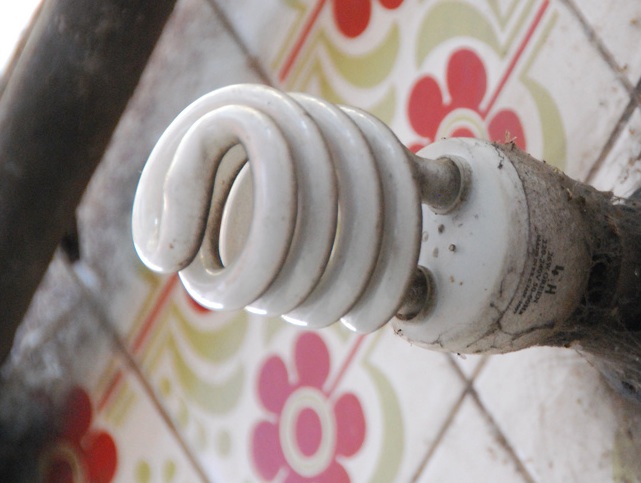
light bulb egpt
Middle East NGOs must cross social, political and religious barriers to achieve long-term solutions to solve their regional complex environmental problems.

While changes in political landscape across the Middle East and North Africa continue to pose immediate security and economic challenges for the region, can the environmental movement find a voice through wider political participation and the development of a functioning civil society? For many Arabs, even those living abroad, there is a new awareness, or perhaps a sense of hope, of the impact of collective spirit and social activism in building a more just society.

In a region torn by religious, cultural, political, and social divisions, independent local non-profit organizations (NGO’s) trying to build social movements have found it difficult to gain traction. Philanthropy is often linked with religion, ethnicity or politics.

In addition, a number of environmental and human rights non-government organizations in the Arab world are governed by the rich elite who have their own motives while international donor funding controls the activities of the more independent NGO’s.

As for the environmental movement in the region, it has gained momentum primarily during the past decade. The Arab world is economically diverse and has different concerns and interests when dealing with environmental issues with the level of environmental involvement often related to economic development.

However, as a group, based on the treaties and ministries in the different countries, the Arab countries have demonstrated, at least on paper, interest and concern in environmental issues.

Only the Palestinian Authority and the Iraqi Government have not signed and ratified the Kyoto Protocols.

In addition with the exception of Oman and West Sahara, all members of the Arab league have established ministries responsible for environmental issues.

Meanwhile popular concern for environmental protection, although limited, has appeared in different forms in across the region. In places like Lebanon, which has a longer history of social activism than other parts of the Arab world, there are over a hundred environmental non-governmental organizations registered.

Some are constantly active while others have activities when certain issues arise. For most of them, there is a real sense of frustration and helplessness of conservations gains.

New found civil liberties in Tunisia and Egypt

Change however is happening: According to a recent article in the Huffington Post, in Tunisia, nonprofits once repressed by the government are now advising the political transition.

In Egypt, the fall of President Hosni Mubarak in February is said to hold the potential for many charities to expand. Making grants to Egyptian charities had been difficult in the old government because of a rule requiring that all contributions from foreign donors be approved.

With a bigger role for human-rights activities, civic rights demanding social and environmental justice now have a greater influence on governments.

Obstacles like climate change remain

A number of challenges will continue to hold back the formation of a functioning civil society. Even with regime changes, care for the environment is still too far from people’s minds. Employment, freedom of expression and food prices remain a higher priority.

Furthermore, the link between climate change and human rights is not clear for most people. Nor is the recognition that corruption and failed governments misallocate resources that could be used for protecting the environment or human health.

This reflects a more general lack of understanding of the overlap between the vision environmentalists and human rights activists in terms of poverty alleviation and job creation.

In addition, even though the region seems to have been keeping abreast with developments in climate change by signing treaties and agreements, there is still no strategic effort at the government level to address the issue and environmentalists will need to work with transition governments to leverage existing infrastructure.

Social entrepreneurial ventures, falling between philanthropic and commercial entities, will require new legal and corporate structures to support them. Meanwhile, grants and social investing remain tied to the old system and limited funding undermine the ability to sustain and scale impact.

Local NGOs must also try to cross social, political and religious barriers to achieve long-term solutions to the region’s complex environmental problems.

In spite of these obstacles, there is hope that, once the dust settles, “pressure from below” will extend to concerns for environmental conservation and improvement of the state of the environment.

While expertise and finance from international organizations and other countries can help, local grass root groups, and the young, socially-networked, and internet savvy middle class supporters now have their chance to help catalyze positive change paving the way for an environmentally sustainable and peaceful Middle East.

Image via Paul K

Rola Tassabehji
Rola Tassabehjihttp://www.grenea.com
A global citizen, of Lebanese origin, Rola began her career in Unilever Arabia and from there moved into several roles in the marketing/communication function in Unilever, including: Brand Manager Skin Care, Unilever Arabia; Brand Development Manager, Dove, Unilever Africa, Middle East, and Turkey; and Communication Manager for Unilever North Africa and Middle East. After ten years with Unilever, she relocated to Abu Dhabi with her family and joined the team that launched INSEAD Middle East. She is currently working as Marketing Director of a new start-up, Grenea (www.grenea.com), focusing on building sustainable real estate development projects in emerging markets. After working with multi-nationals on skin care and business education, she has found a new interest in the convergence of environmental and social justice and is passionate about the possibilities that a restorative resource-based economy can bring to the people of the Middle East. Email [email protected]

LEAVE A REPLY

Please enter your comment!
Please enter your name here

TRENDING

How does one start prepping?

Faced with an extreme winter storm this year, Americans wonder how to be prepared for catastrophe. Miriam has lived through wars in the Middle East - so she's prepared on giving you a guide to prepping.

Huge Fish Nursery Discovered Under Freezing Arctic Seas

In 2019, an underwater robot camera exploring the seabed...

Remilk makes cloned milk so cows don’t need to suffer and it’s hormone-free

This week, Israel’s precision-fermentation milk from Remilk is finally appearing on supermarket shelves. Staff members have been posting photos in Hebrew, smiling, tasting, and clearly enjoying the moment — not because it’s science fiction, but because it tastes like the real thing.

The US leaves 66 United Nations organizations to “put America first”

The world needs a reset and to restart well intentioned cooperation projects from start. Because right now the UN and EU projects look like software built on code from the 80s, rickety, patched, slow to adapt, and prone to crashing under the weight of outdated assumptions.

Turkey named as climate change COP31 home in 2026

Murat Kurum as President-Designate of COP31

Qatar’s climate hypocrisy rides the London Underground

Qatar remains a master of doublethink—burning gas by the megaton while selling “sustainability” to a world desperate for clean air. Wake up from your slumber people.

How Quality of Hire Shapes Modern Recruitment

A 2024 survey by Deloitte found that 76% of talent leaders now consider long-term retention and workforce contribution among their most important hiring success metrics—far surpassing time-to-fill or cost-per-hire. As the expectations for new hires deepen, companies must also confront the inherent challenges in redefining and accurately measuring hiring quality.

8 Team-Building Exercises to Start the Week Off 

Team building to change the world! The best renewable energy companies are ones that function.

Thank you, LinkedIn — and what your Jobs on the Rise report means for sustainable careers

While “green jobs” aren’t always labeled as such, many of the fastest-growing roles are directly enabling the energy transition, climate resilience, and lower-carbon systems: Number one on their list is Artificial Intelligence engineers. But what does that mean? Vibe coding Claude? 

Somali pirates steal oil tankers

The pirates often stage their heists out of Somalia, a lawless country, with a weak central government that is grappling with a violent Islamist insurgency. Using speedboats that swarm the targets, the machine-gun-toting pirates take control of merchant ships and then hold the vessels, crew and cargo for ransom.

Leopoldo Alejandro Betancourt López Turned Ocean Plastic Into Profitable Sunglasses

Few fashion accessories carry the environmental burden of sunglasses. Most frames are constructed from petroleum-based plastics and acrylic polymers that linger in landfills for centuries, shedding microplastics into soil and waterways long after they've been discarded. Leopoldo Alejandro Betancourt López, president of the Spanish eyewear brand Hawkers, saw this problem differently than most industry executives.

Why Dr. Tony Jacob Sees Texas Business Egos as Warning Signs

Everything's bigger in Texas. Except business egos.  Dr. Tony Jacob figured...

Israel and America Sign Renewable Energy Cooperation Deal

Other announcements made at the conference include the Timna Renewable Energy Park, which will be a center for R&D, and the AORA Solar Thermal Module at Kibbutz Samar, the world's first commercial hybrid solar gas-turbine power plant that is already nearing completion. Solel Solar Systems announced it was beginning construction of a 50 MW solar field in Lebrija, Spain, and Brightsource Energy made a pre-conference announcement that it had inked the world's largest solar deal to date with Southern California Edison (SCE).

Related Articles

Popular Categories