Part 2: Weighing up the Green (and Not So Green) Aspects of Hajj

According to our calculations, a pilgrimage to Mecca from the UK releases more tonnes of carbon than the average French person does in a year

In part 1 of our feature on Green Hajj, we worked out that the carbon footprint of the average UK Hajj pilgrim is pretty high. Our guinea pigs, the Hussain family released around 32.77 tonnes of carbon during their trip which means that each individual member released more C02 in their single trip than the average person in France releases per year (6 tonnes of Carbon). So how do we make Hajj more green? Well we use their experience and knowledge to suggest new ways to make the impact of Hajj easier on this old planet.

Speaking to the Hussain family about the Hajj experience, what is clear is that overall there were some good and bad aspects, in terms of environmental protection, but also a lot more which could be done.

Let’s start with the bad: due to the stifling heat, air conditioning is on all the time in most places which means that lots of electricity is wasted. The family reported flooding in the toilets and wudu (ablution) areas which also means that water was wasted and recycling facilities were almost non-existent. Considering the amount of plastic used and the waste produced by swathes of pilgrims, this is a worrying thought.

There were, however, some eco brownie points to be won. Due to the large amounts of people converging on Mecca during Hajj period, public transport is highly encouraged by the Saudi authorities who provided buses for the pilgrims. Although the Mekkah Rail which Green Prophet covered was not yet open to international visitors in 2010, it will no doubt help reduce people’s emissions when travelling during Hajj in the future.

When I ask Iman Hussain, who took part in Hajj in 2010, if she thought Hajj was environmentally friendly she replies: “No, but due to the scale of people on Hajj it’s really difficult to be green. The environment is very warm so there is a lot of waste due to two main factors: food goes off very quickly and the A/C needs to be on all the time.” She also added that the main issue for the Saudi government is people’s safety so inevitably, eco issues get sidelined. In a bid in raise the profile of the importance of being eco, we have come up with some simple suggestions in the third and final installment of the series on Green Hajj.

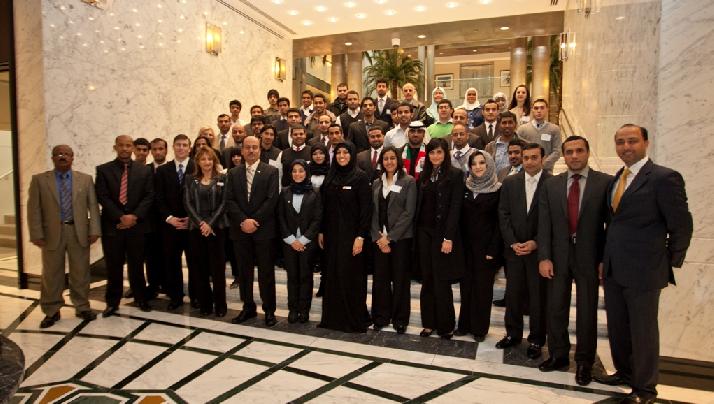
: Image via Fatima_it_is on flickr.

:: Again I just want to re-iterate that I am no carbon expert. In fact, I welcome any offers from experts to assess the carbon footprint of the average Hajj pilgrim properly as it was the lack of any data, which led me to this rather slapdash effort.

For more on Green Hajj see:

Part 1: We Measure One Family’s Hajj Carbon Footprint
‘Mekka Metro’ Marls a Green Hajj for Pilgrims

An Epic Journey to Mecca- by Bike! (Slideshow)

Arwa Aburawa
Arwa Aburawahttp://www.greenprophet.com
Arwa is a Muslim freelance writer who is interested in everything climate change related and how Islam can inspire more people to care for their planet and take active steps to save it while we can. She is endlessly suspicious of all politicians and their ceaseless meetings, especially as they make normal people believe that they are not part of the solution when they are the ONLY solution. Her Indian auntie is her model eco-warrier, and when Arwa is not busy helping out in the neighborhood alleyway garden, swap shopping or attempting fusion vegetarian dishes- with mixed success, she’d like to add- she can be found sipping on foraged nettle tea.

TRENDING

Saudi Arabia’s grand mufti Sheikh Abdulaziz bin Abdullah al-Sheikh dies at 84

As Saudi Arabia accelerates its transformation, the passing of its top cleric who memorized the Qu'ran at age 10 underscores the changing face of religious authority and perhaps tolerance in a kingdom increasingly defined by megaprojects, oil wealth, and the House of Saud’s push to rebrand itself for a post-oil world. 

Ancient mud buildings in the Muslim world are spectacular and sustainable

Other notable mud structures in the wider Muslim world include the Bob Dioulasso Grand Mosque in Burkina Faso, and the Khiva Wall in Uzbekistan, which is built around a collection of Islamic schools and mosques. The Siwa Oasis in Egypt (which we visited and posted about here) and the Eastern Castle in Syria have also employed mud bricks in their construction, and research shows that the famous walls of Jericho were built using sun-dried mud bricks.

Why Muslims don’t drink beer

Many Muslims avoid beer because Islamic law forbids all intoxicants, yet drinking habits vary across cultures. Green Prophet explores the religious basis, real-world exceptions, and the rise of alcohol-free trends like mocktails and kombucha among Muslim and non-Muslim drinkers.

Inside the Kaaba: Islam’s Hidden Heart

We've all heard about Mecca, but what does it look like inside the black cube that Muslim pilgrims walk around? We take a peek inside.

Can Muslims drink kombucha?

Can Muslims drink kombucha even though it may have traces of alcohol?

Should You Invest in the Private Market?

startustartup Unlike public stock exchanges, which offer daily trading, strict...

How to build a 100-year-company

Kongō Gumi is a Japanese construction company, purportedly founded in 578 A.D., making it the world's oldest documented company. What can we learn about building sustainable businesses from them?

From Pilot Plant to Global Stage: How Aduro Clean Technologies’ 2026 Expansion Signals a Turning Point for Chemical Recycling Investors Like Yazan Al Homsi

The company's Next Generation Process (NGP) Pilot Plant in London, Ontario, has officially moved into initial operating campaigns, generating the kind of structured, repeatable data that separates laboratory promise from commercial viability.

How AI Helps SaaS Companies Reduce Repetitive Customer Support Work

SaaS products are designed for large numbers of users with different levels of experience, and also in renewable energy.

Pulling Water from the Air

Faced with water shortage in Amman, Laurie digs up...

Turning Your Energy Consultancy into an LLC: 4 Legal Steps for Founders in Texas

If you are starting a renewable energy business in Texas, learn how to start an LLC by the books.

Tracking the Impacts of a Hydroelectric Dam Along the Tigris River

For the next two months, I'll be taking a break from my usual Green Prophet posts to report on a transnational environmental issue: the Ilısu Dam currently under construction in Turkey, and the ways it will transform life along the Tigris River.

6 Payment Processors With the Fastest Onboarding for SMBs

Get your SMB up and running fast with these 6 payment processors. Compare the quickest onboarding options to start accepting customer payments without delay.

Related Articles

Popular Categories