
 After giving up the consumer lifestyle, Tafline reflects on how her Christmas list has evolved. It might not be what you’d expect.
In four years, I turned my habits around completely: instead of buying the newest, snazziest jeans, I’ve been wearing the same clothes for nearly two years. And if I must get more, I buy groovy secondhand clothes or have a seamstress or tailor whip up something local. It used to be that I’d buy another fancy bottle of shampoo or lotion, not even the chemical-free variety, before finishing what was clogging up the cupboard. Not anymore. Now I scrape the toothpaste tube before buying another.
For two years, I drove more than 150 miles almost every day, sending all kinds of carbon into the atmosphere, but these days I walk or take a bus. Meat no longer features in my diet at all. And the truth is, I’m happier. My friends have more respect for me, my self-worth comes from my relationships with people rather than things, and the daily guilt surrounding my wasteful choices has vanished. Based on what I have learned, here is my Christmas wish list for all of humanity.
– I wish that we could all learn to accept our failures: in our competitive world, where we rush to be the best writer, the best graphic designer, and even the best criminal, if that is our calling, it is sometimes difficult to come to peace with our failings. But our failings or our flaws are our teachers. Without them, we would cease to grow. So many problems in the world stem from people’s inability to face up to the ways in which they are imperfect. When more of us can accept that perhaps we were wrong to want so much so quickly, it may be possible to start taking the steps to change our behavior.
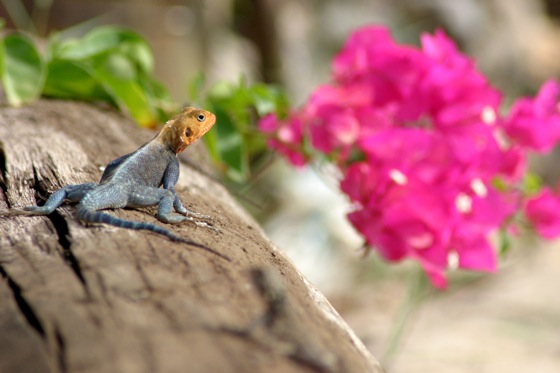
- I wish everyone could experience nature more intimately, more often: not until I climbed up on my first glacier or experienced my first few nights around a fire listening to crackling twigs and raucous crickets, sounds that only reveal themselves when we listen, did I fully understand what we have to lose. It is my firm belief that our failure to protect nature stems from our failure to understand nature, which in turn is a result of an education that draws us into making money instead of making harmony. How can a man or a woman who has spent a week in a tent, or mo
 nths tilling land, possibly commission something so destructive as tar sands mining, for example, that involves digging and noise and pollution, and that drives away wildlife. Can a diver who has experienced the vibrant peace of a coral reef sanction an oil rig in those same waters?
– I wish we could embrace that less really is more: it is impossible for me to express how liberating it is to have only a backpack full of things to carry around. For one year, I’ve lived out of the same bag, though to be honest, there is a small trail of books and other miscellany stranded at certain friends’ homes. Being limited by what I can carry means that the desire to buy has completely disappeared. All that I desire now, truly, is books, knowledge, learning, and friendship.
Things loom like a burden, like a boulder, like something that restricts my range of motion. Meanwhile, I’ve also become more industrious with what I do have. Just about everything I carry has multiple functions. My knife is a great tool as well as a utensil, my flashlight is great for scouting out creatures that go hiss in the night, and allows me to read well past my bedtime. Most importantly, my mental energy is not wasted on wanting.
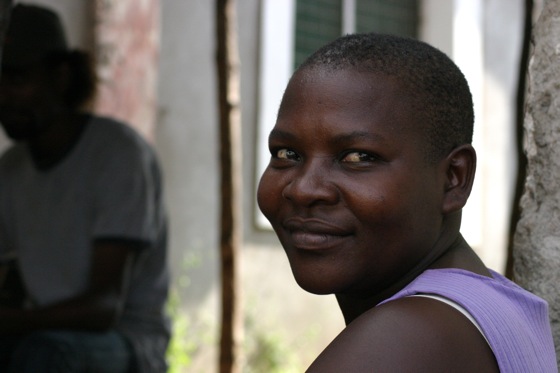
- I wish we could better perceive our interconnectedness: my travels in the developing world have taught me two fundamental things. A) I got lucky. I was able to go to school and get a decent education, which has in turn enabled the extraordinary luxury of exploring the world and my place in it. Along the way, I’ve picked up secrets: how to bypass bureaucracy, what’s good to eat and what’s not, how to stay healthy, what countries are easy to move around in, which are not. The only thing that separates me from the people I meet along the way – like Mama Wangaari in Malindi, Kenya (below) who slaves over a suffocatingly hot stove in humid weather, outside, under the sun, to put her four daughters through school, or Benson, the young cripple who works dawn to dusk at a canteen that earns him less than $2 a day – is opportunity.
- B) We really are all connected. If governments make poor energy choices or horde taxpayer money to pad their own coffers, they will suffer in the end – either through an irreversibly changed climate or a drain on the country’s resources. We all do. Likewise, wealthy westerners who have become fat through the starvation of people in developing countries suffer from a kind of spiritual starvation. They’re desperate to find meaning in their life, the kind of meaning that can only come from community, nature, and self-governance.
– Finally, I hope everyone will experience peace and solitude this holiday season: this idea is not entirely my own, but it works wonders. When I was so caught up in my academic and work life, desperate to keep my scholarships, it was impossible to reflect on the meaning of all my work. Or on my behavior. I became the kind of person I would not like to meet: arrogant, self-serving, too clever for my own good, and physically removed from the wonderful people around me. Ambition ruined my relationships. Ruined me.
Not until I was able to take a step out of the bustle of western life did it occur to me that holy smokes I was on the wrong track. There is still room for improvement, but solitude has grounded me. More peace and quiet could help all of us get back on our collective feet. And only then will we be able to gather the courage to face the challenges that we have created for ourselves.
all images via Tafline Laylin
More reflections on nature and interconnectedness:
We Are All Connected: Heat Wave In Russia Affects Egypt’s Wheat

Beautiful; I wish your wishes comes true (as no doubt they will with your intention and perseverence!). I wish you and all a happy, healthy and sustainable 2011. In peace, Rianne
Amazing, inspiring article! Thank you!
Lovely piece, and I have shared it. Thank you.
I cherish you Taf for your courage and straightforwardness. Your words got into my heart, touched me and reminded me again what are the things that really matter in human lives. Wish all the universe a year of Joy, Health, Happiness, Peace and Love!
Just reading your piece gave me a sense of peace. Beautiful thoughts, beautiful writing.
this is absolutely beautiful Taf. Thanks for sharing with such honesty 🙂
Arwa XX