


Herbal teas, as far as the eye can see, and all with healthy benefits.
Although visits to the doctor are often necessary in the winter if you have a serious case of the flu, tea can reduce those visits with their variety of health benefits from lowered anxiety to enhanced energy. We have listed a few kinds of tea and their potential benefits, though we do encourage that you take your serious symptoms to a specialist or your herbalist if you are self-medicating:
Chamomile – This is great for calming nerves and lowering anxiety. It is also a blood thinner and so reduces blood pressure, but be careful about using this if you are already on any heart medication. If you have any cardiovascular issues, check with a doctor before using chamomile regularly.
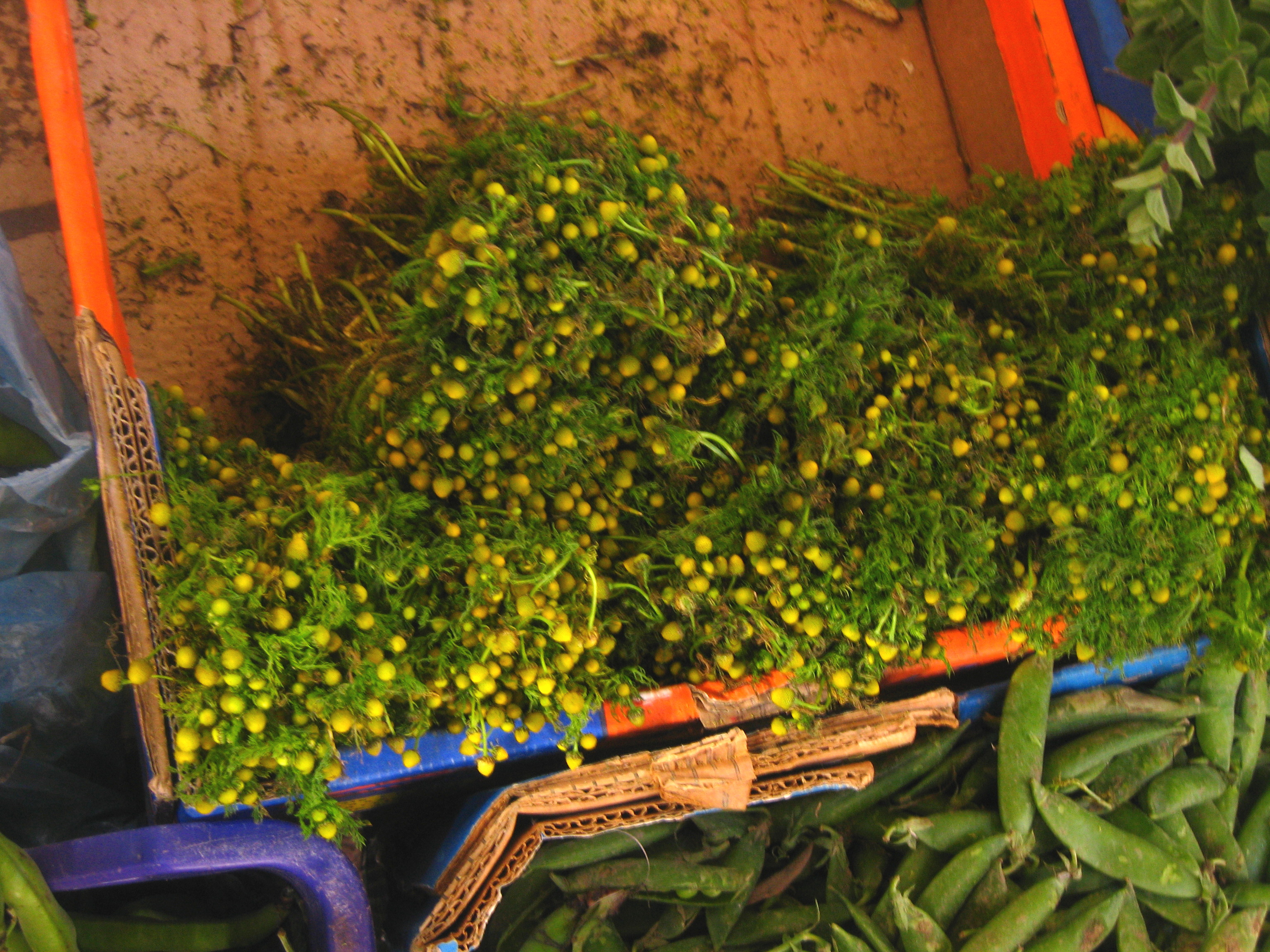
Chamomile also has external uses. It is very soothing for eyes: just take a cotton ball, soak it in warm chamomile tea and put it over your eyes. It can reduce sties as well as redness in tired, overworked eyes.
Ginger – If you have ever suffered from travel sickness, ginger is one of the teas you want to remember. Dating back centuries, ginger has been used to relieve indigestion as well as being a great natural relief for migraines.
Lavender – Not only is this an aphrodisiac, but it is also a muscle relaxant, which makes it an ideal way for reducing stress levels. In fact this is an ideal drink just before going to sleep since it not only relaxes, but also helps fight insomnia.
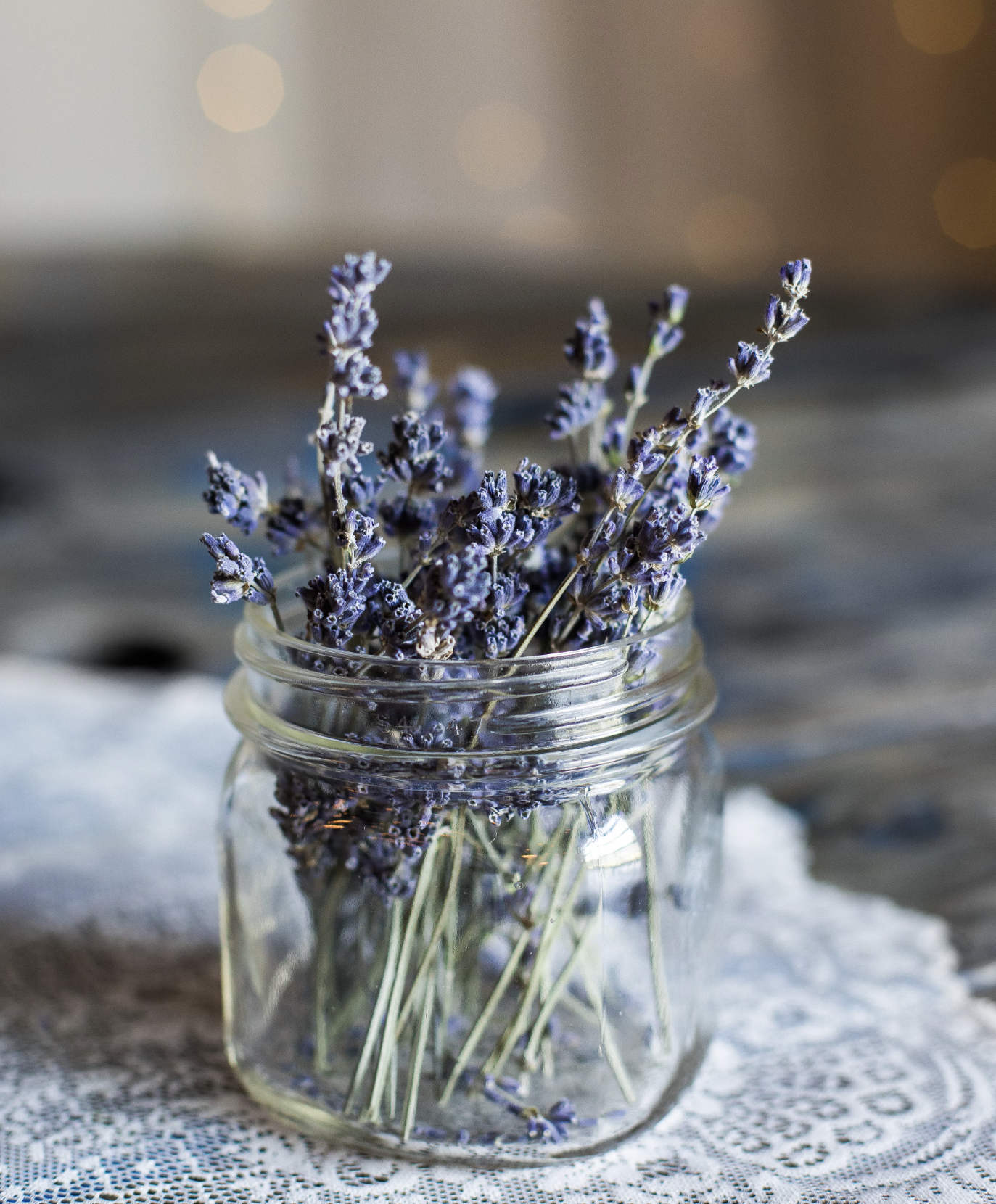
Lavender is also very soothing in case of a headache. If you are not a fan of drinking tea when you have a headache, there are other options. You can find small bags filled with dried lavender that you place over your closed eyes when you have a headache to relieve the pain.
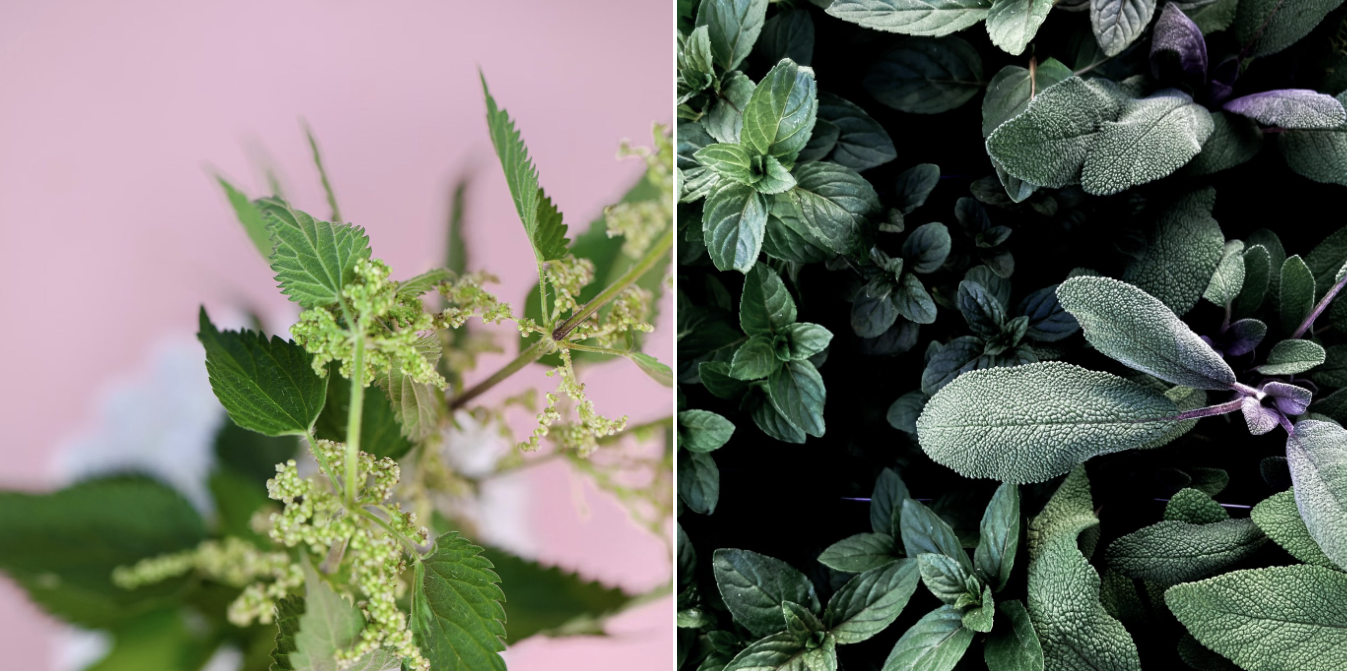
Nettle leaf – Sometimes what you really need is an immunity boost. Nettle leaf tea can provide just that. Nettles are packed with various vitamins and minerals, including iron, which makes it a great overall tonic. Use them fresh or dry but if fresh watch out for the stings. Better to pick them young before they go to seed, as in the photo below left.
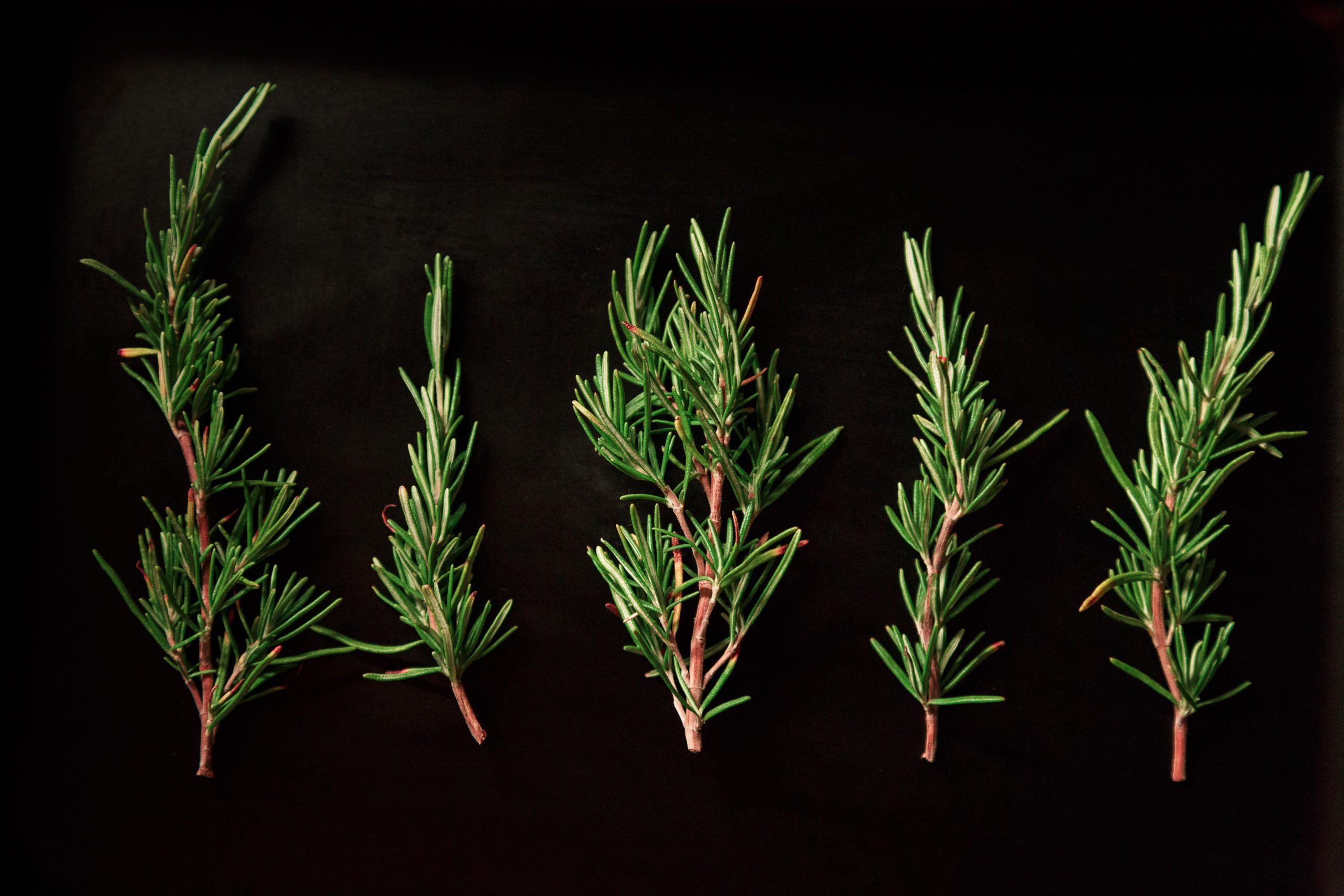
Rosemary – Not only is this a great spice to add to cooking, but at the end of the day when you know you shouldn’t have another cup of coffee try some rosemary tea. It is a great energy booster as well as being an antioxidant. It was traditionally used as a disinfectant in sick rooms to clean the air, so it is a fantastic method of cleansing your body.
Peppermint – Instead of suffering with endless nausea, which leaves you unable to function throughout the day and unable to sleep at night, keep some peppermint tea handy. It calms the stomach, eases digestion and relieves nausea. As an alternative to tea you can always add a drop of peppermint oil to a glass of water and this will do the trick as well. Nana and mint tea, a big pile of it stuffed in your cup fresh, is a common drink in the Middle East after dinner. Some add black tea to the mix.
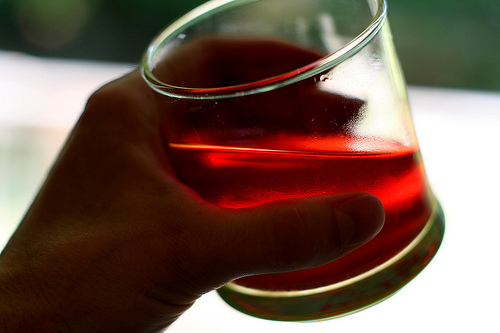
Of course it isn’t only when you are unwell that herbal teas are beneficial. There are many teas with various other benefits. So have a wonder around your nearest health food store and see what you can find, but remember to check with your doctor if you are on any other kind of medication.
Read more about the uses of herbs:
Cloves In and Out of the Kitchen
PART I: The ABCs of Traditional Middle-Eastern Spice Medicines (A through C)
RECIPE: Soothing, Sensual Rosewater



What a fantastic list of healthy and tasty looking teas! I’m a particular fan of chamomile tea, but I can’t wait to try some of your other great suggestions.