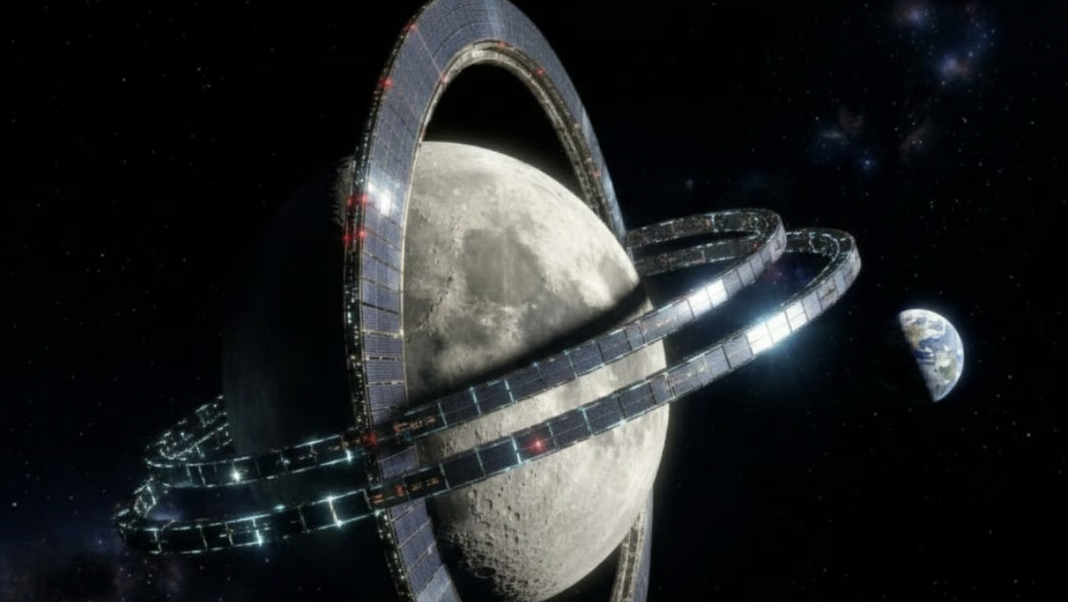

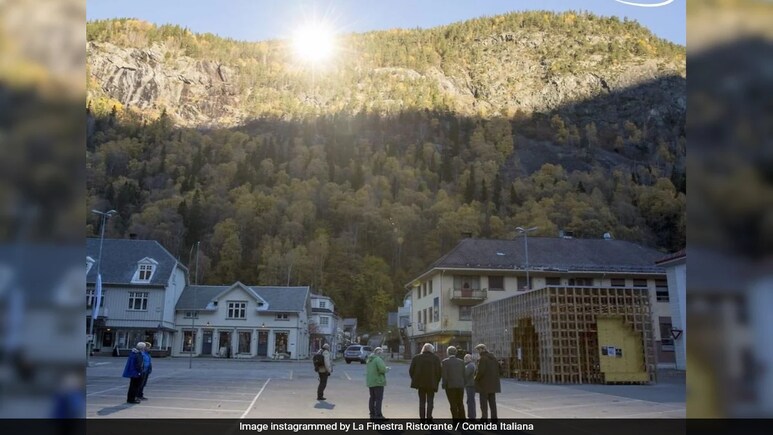
A bold Japanese proposal is reimagining the future of energy—not on Earth, but far beyond it. Scientists have floated the idea of building a massive ring of solar panels around the Moon, capturing constant sunlight and transmitting the energy back to Earth. Remember when a village in Italy used a mirror to reflect sunlight to its shadows?
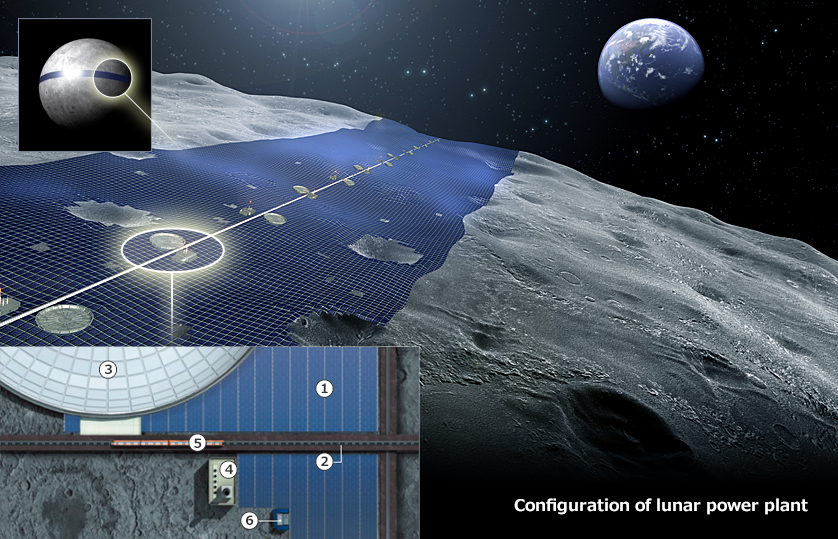
Unlike solar power on Earth, which is limited by night cycles, weather, and seasons, the Moon offers something close to uninterrupted exposure to the Sun. By placing solar infrastructure in orbit or along the lunar surface, engineers could generate continuous clean energy at a scale that may exceed global electricity demand, the Japanese scientists say.
The concept relies on wireless power transmission, converting solar energy into microwaves or lasers and beaming it to receiving stations on Earth. While this might sound like science fiction, the underlying technologies are already being tested in smaller applications.
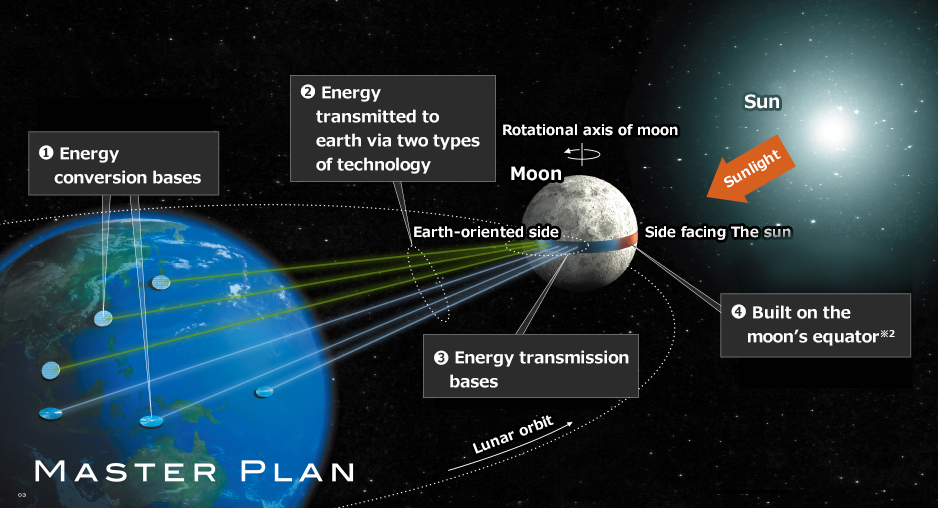
If successful, a lunar solar ring could solve one of renewable energy’s biggest challenges: intermittency. Instead of relying on storage systems or backup fossil fuels, power would flow steadily, day and night.
Related: America’s biggest renewable energy station SunZia just went online
But the challenges are immense. Building infrastructure on the Moon would require breakthroughs in space transport, robotics, and materials engineering. Costs would be astronomical, and questions remain about efficiency, safety, and geopolitical control of such a system.
Still, the proposal reflects a growing shift in thinking. As energy demand rises and climate pressures intensify, researchers are beginning to look beyond Earth-bound solutions. Space-based solar power, once dismissed as impractical, is being reconsidered as part of a long-term energy strategy.
The Moon, long a symbol of exploration, could become something else entirely: a power station for a planet in transition.
Whether this vision becomes reality or remains speculative, it signals something important. The future of clean energy may not just be about improving what we have on Earth—but about expanding where we look for it.