

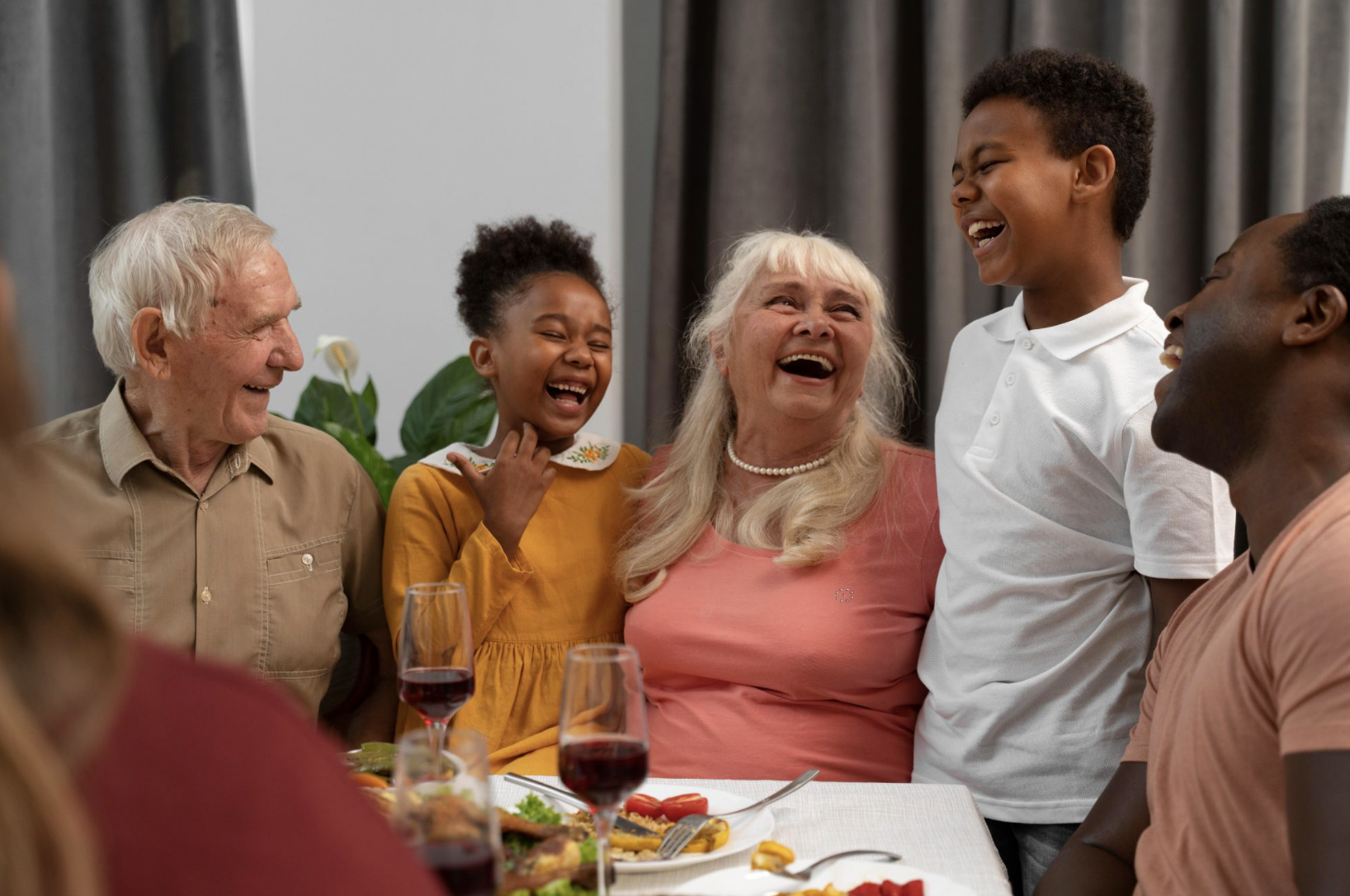
We all experience aging, yet it is often discussed only in the context of decline or medical care. Despite this, aging is a lifelong process that involves physical development, emotional growth, cognitive change, and evolving social roles. From childhood through adulthood, each stage of life presents unique challenges and opportunities that shape our overall well-being.
When we look at aging from beneath the surface, it becomes easier to understand how different stages of life contribute to long-term health and quality of life. Societies that recognize the importance of these stages are better equipped to support individuals through education, healthcare, community planning, and social support systems.
While medical professionals play an essential role in helping individuals age well, understanding aging goes beyond just healthcare. It also involves social awareness, public policy, and a cultural appreciation for every phase of life.
Why understanding aging matters
Aging is not simply a matter of getting older; it is the result of biological, environmental, and lifestyle factors that interact over time.
Researchers who study gerontology emphasize that aging outcomes vary widely between individuals depending on genetics, diet, exercise, stress levels, and access to healthcare throughout their lives. Understanding how these factors influence aging can help people make informed decisions. For example, habits developed during early adulthood, such as maintaining an active lifestyle, managing stress, and building strong social relationships, often have long-term effects on physical and mental health.
Public awareness of aging also helps communities create systems that support individuals across generations. Urban planning, transportation access, healthcare infrastructure, and workplace policies all play a role in helping people remain healthy and independent as they age.
Building a foundation for healthy aging

The earliest stages of life, from infancy through childhood, form the foundation for lifelong health and development. During these years, the brain develops rapidly, children learn social and emotional skills, and the body undergoes significant physical growth. Nutrition, safety, and nurturing relationships are particularly important at this stage. Positive early experiences help children develop emotional stability, cognitive skills, and healthy behavioral patterns.
Research consistently shows that supportive childhood environments can reduce the risk of chronic illness later in life and improve educational and social outcomes. Parents, caregivers, and educators play a crucial role in shaping these early experiences. Encouraging physical activity, balanced nutrition, and curiosity about learning can create habits that continue well into adulthood.

Adolescence represents one of the most transformative periods of human development. During this time, individuals experience rapid physical growth, hormonal changes, and the gradual development of independence. Teenagers begin to form personal identities as they navigate peer relationships, academic pressures, and new social environments. Emotional development during this stage is particularly important because it shapes how individuals handle stress, relationships, and decision-making later in life.
Young adulthood builds upon these developments as individuals establish careers, relationships, and personal goals. Many important lifestyle habits, such as exercise routines, sleep patterns, and dietary choices, are formed during this period. These habits can influence long-term health outcomes, including the risk of heart disease, obesity, and mental health challenges.
Supporting young adults with education, access to healthcare, and opportunities for personal development helps create a healthier population over time.
Aging in adulthood
Midlife often brings a combination of personal and professional responsibilities. Many adults in their 40s and 50s are balancing careers, raising children, and caring for aging parents simultaneously. While this stage can be demanding, it is also a time when individuals possess valuable life experience and stability.
Physically, midlife may introduce noticeable changes. Metabolism may slow, muscle mass can decline, and hormonal shifts may occur. However, these changes do not necessarily lead to poor health if individuals maintain preventive habits. Regular physical activity, a balanced diet, and routine medical checkups become increasingly important during this stage. Preventive care, including screenings for cardiovascular disease, diabetes, and certain cancers, allows potential health concerns to be addressed early.
Maintaining emotional well-being is equally important. Many adults find that strong friendships, hobbies, and meaningful work help provide balance and reduce stress during this period.
After the peak of adulthood
Older adulthood is often misunderstood as a period defined solely by health challenges. In reality, many older adults remain active, socially engaged, and intellectually curious well into their later years. Physical changes such as reduced bone density, decreased muscle strength, or slower cognitive processing can occur with age. However, these changes vary widely and are influenced by lifestyle choices made throughout life.
Healthcare professionals with specialized training are essential in supporting individuals in this age group. An adult gerontology nurse practitioner focuses on caring for adolescents through older adults, addressing chronic disease management, preventative care, and overall health maintenance for aging populations. Their expertise helps ensure that older adults receive comprehensive care tailored to the unique challenges of aging.
Physical changes associated with aging
As the body ages, gradual biological changes take place across many systems. Some of the most common include reduced muscle mass and bone density, changes in metabolism, cardiovascular changes, and vision and hearing changes. Although these shifts are natural, they can often be managed or slowed through lifestyle choices. Regular exercise, balanced diets rich in nutrients, and preventive healthcare all play a role in promoting healthy aging.
Emotional and cognitive well-being
Mental health and emotional resilience are just as important as physical health throughout the aging process. While some cognitive changes may occur over time, many intellectual abilities remain strong throughout life. Older adults often retain deep knowledge, problem-solving abilities, and emotional intelligence gained through decades of experience. Maintaining mental engagement through reading, learning new skills, or social interaction can help support cognitive health.
Social connection is particularly important. Loneliness and isolation can negatively impact both mental and physical health, making community programs and intergenerational relationships valuable resources. Activities such as volunteering, participating in community organizations, or joining hobby groups can help older adults remain socially connected and mentally stimulated.
Creating age-friendly communities
As life expectancy increases, communities around the world are recognizing the need to support aging populations in new ways. Age-friendly environments make it easier for people of all ages to remain active, engaged, and independent. These environments often include accessible public spaces, safe walking areas, affordable healthcare services, and community programs designed to encourage social participation.
A lifelong perspective on aging
Aging is a continuous process that begins at birth and evolves over decades. Each stage from childhood to old age contributes to the overall health and well-being of individuals and communities.
By understanding the physical, emotional, and social changes that occur throughout life, societies can create systems that support healthier populations and stronger connections between generations. Ultimately, a broader perspective on aging encourages us to value every stage of life. With the right support, resources, and awareness, individuals can experience growth, purpose, and fulfillment at every age.