ICARDA scientists save 80% of a priceless trove of Syrian seeds

Syria's seeds protected from war

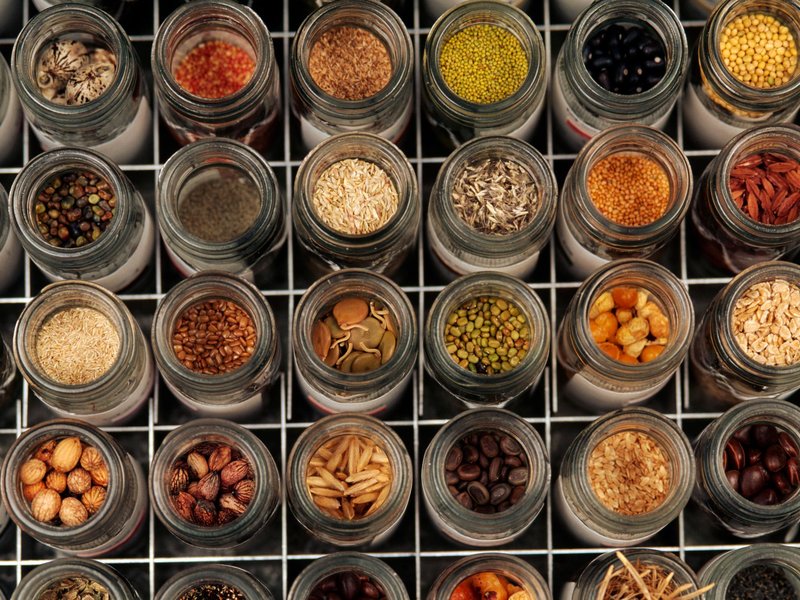
A team of Syrian scientists at the International Center for Agricultural Research in Dry Areas (ICARDA) braved the terrors of civil war to protect a critical piece of global heritage, meticulously transporting plant genetic material from a seed bank in Aleppo to the Svalbard Seed Vault in Norway. Their actions to protect the region’s ancient farming heritage – nearly 150,000 seed samples collected over the past four decades from dryland regions worldwide – earned them the Gregor Mendel Innovation Prize for outstanding contributions to plant breeding.

Syria’s civil war has decimated the nation, killing about 300,000 people and creating the largest humanitarian crisis in world history. The United Nations estimated that by the end of August 2014, 6.5 million people were displaced within Syria, and more than 3 million refugees had fled to other countries. The conflict presented the ICARDA gene bank with a uniquely specific challenge; protect the genetic wealth of regional food crops.

ICARDA is one of 11 such biorepositories in the world helping to preserve seeds that are used by plant breeders and scientists worldwide. They focus on crops grown in arid climates like Syria, preserving genes that, in turn, help promote agricultural development in other dry areas.

The Aleppo facility contained the world’s largest collection of barley, fava bean and lentil seeds, ancient varieties of durum and bread wheat, and wild crops collected throughout the Fertile Crescent. This region that includes Egypt, Israel, Palestine, Lebanon, Syria and Iraq is the site of the earliest recorded crop domestication.

“We are entrusted with the genetic wealth from some 128 countries – a resource we cannot afford to lose as it ensures long-term public welfare,” Dr. Mahmoud Solh, director general of the International Center for Agricultural Research in the Dry Areas (ICARDA), said in a statement. “Almost all our germaplasm collections are now saved outside Syria.” More than 80 percent of the globally unique collection of crop genetic resources stored at ICARDA’s Aleppo genebank is now safely duplicated at the Norwegian facility, the balance in gene banks around the world.

The ICARDA team drove seeds out of the country, using foreign connections to increase the likelihood that the seeds would be safely ferried across Syrian borders. Advised to leave the country, 50 members elected to stay behind to continue the germoplasm evacuation to the Norwegian bank.

Read more about the Svalbard Seed Vault – link here.

The Global Seed Vault in Svalbard, managed jointly by the Global Crop Diversity Trust, the Nordic Genetic Resource Center (NordGen) and the Government of Norway, acts as an insurance policy against catastrophic crop destruction from natural or man-made events. It houses over 20 million seed types from around the world. The power of genebanks lie in their inter-connectivity as a worldwide network of genetic resources. Banks around the world are now working to regenerate the Syrian samples to test their ongoing viability.

The Middle East is where humanity first learned agriculture, revolutionizing life by shifting from a migratory hunter/gatherer existence to a settled mode of farming that eventually led to modern civilization.  While genebank inventories are rooted in the past,  their mandate is fully futuristic. They preserve crop biodiversity and ensure future food supply, life-critical functions in an unstable world and particularly important in the face of climate change.

Crisis is never one-dimensional. It’s more like an onion.  Peel back the skin to discover distinct layers of need, often mutually exclusive despite having a common cause.  Each has merit, each warrants our attention, and each competes for limited human and cash resources. Stories like this – broadcasting the enormous positive impact resulting from individual action – are bright points in regional darkness. Keep calm and carry on.

Hot this week

The Lote Tree of the Utmost Boundary, explained

In Islamic tradition, there is a point where creation ends — a boundary that marks the limit of what any created being can reach. That boundary is called Sidrat al-Muntahā, often translated as “the Lote Tree of the Utmost Boundary.”

The Air Tea Kettle creates a new way to meet plants and herbalism

Air Tea is a new technology. Instead of drinking tea, you inhale herbal vapor through warm air extraction. There is no water and no combustion. The warm air releases essential oils that are often lost in hot water and digestion.

Why Health Systems Are Reaching a Turning Point

Health emerges from a continuous energy and material flow from water through food to human physiology. Technical energy systems support this cycle through water treatment, agriculture, and infrastructure.

Sustainability That Sells: How Profit and Purpose Come Together in the Hive

Whether you are a commercial grower, hobbyist beekeeper or retail equipment supplier, this system opens a new income stream with minimal environmental impact.

The Fitness App Revolution: Building the Future of Wellness Through Strategic Development

In an era where smartphones are ubiquitous and health consciousness is at an all-time high, the fitness industry has undergone a radical digital transformation. Fitness applications have moved far beyond simple pedometers, evolving into comprehensive wellness platforms that serve as personal trainers, nutritionists, and community hubs right in our pockets.

Topics

The Lote Tree of the Utmost Boundary, explained

In Islamic tradition, there is a point where creation ends — a boundary that marks the limit of what any created being can reach. That boundary is called Sidrat al-Muntahā, often translated as “the Lote Tree of the Utmost Boundary.”

The Air Tea Kettle creates a new way to meet plants and herbalism

Air Tea is a new technology. Instead of drinking tea, you inhale herbal vapor through warm air extraction. There is no water and no combustion. The warm air releases essential oils that are often lost in hot water and digestion.

Why Health Systems Are Reaching a Turning Point

Health emerges from a continuous energy and material flow from water through food to human physiology. Technical energy systems support this cycle through water treatment, agriculture, and infrastructure.

Sustainability That Sells: How Profit and Purpose Come Together in the Hive

Whether you are a commercial grower, hobbyist beekeeper or retail equipment supplier, this system opens a new income stream with minimal environmental impact.

The Fitness App Revolution: Building the Future of Wellness Through Strategic Development

In an era where smartphones are ubiquitous and health consciousness is at an all-time high, the fitness industry has undergone a radical digital transformation. Fitness applications have moved far beyond simple pedometers, evolving into comprehensive wellness platforms that serve as personal trainers, nutritionists, and community hubs right in our pockets.

A Brief History of Basil From India to Italy

Beloved, fortunate, sweet, and royal; an herb with a long and storied history in Asia and across the world. Called by many names, basil has featured in previous Green Prophet articles, so enjoy another serving, a brief history of basil.

How Renewable Energy is Revolutionizing the Way We Power Our World

Solar has become the star of the transition thanks to modular hardware and straightforward installation. It fits dense cities and remote towns alike. Many companies are turning to rooftop arrays and carport systems - and exploring commercial solar installation as a practical way to lock in future savings.

How does one start prepping?

Faced with an extreme winter storm this year, Americans wonder how to be prepared for catastrophe. Miriam has lived through wars in the Middle East - so she's prepared on giving you a guide to prepping.

Related Articles

Popular Categories