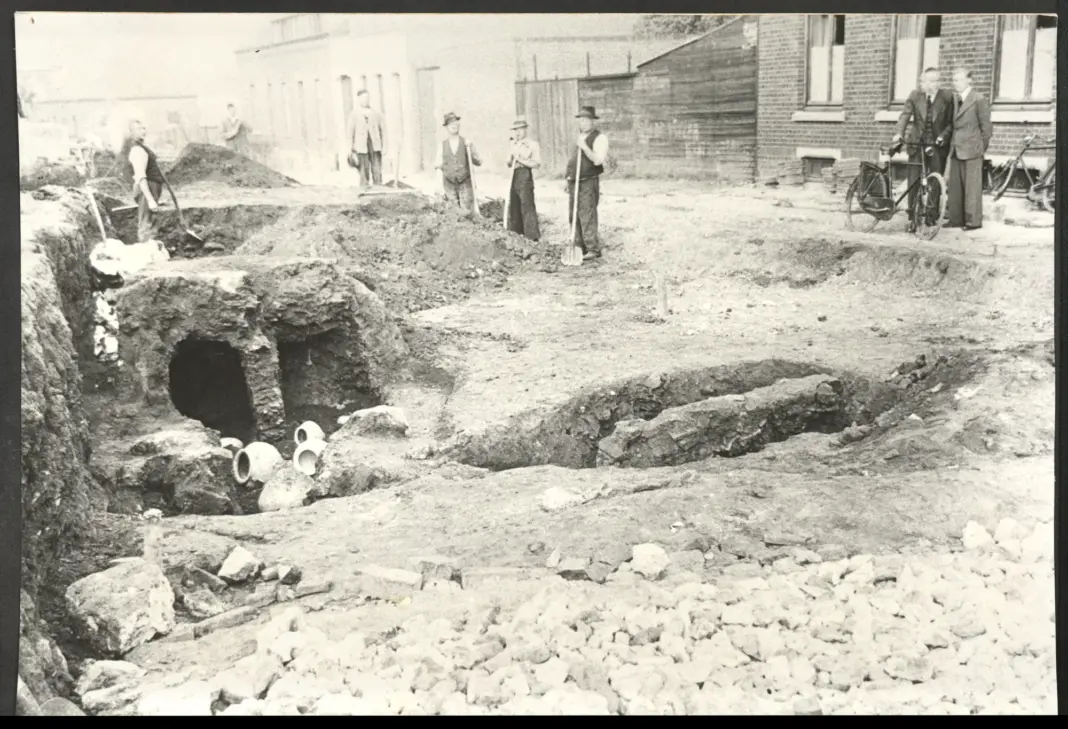

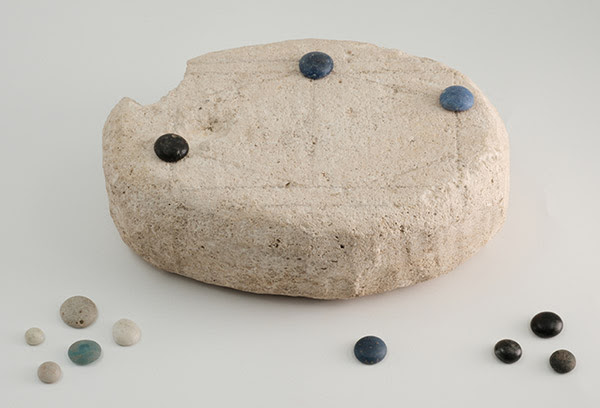
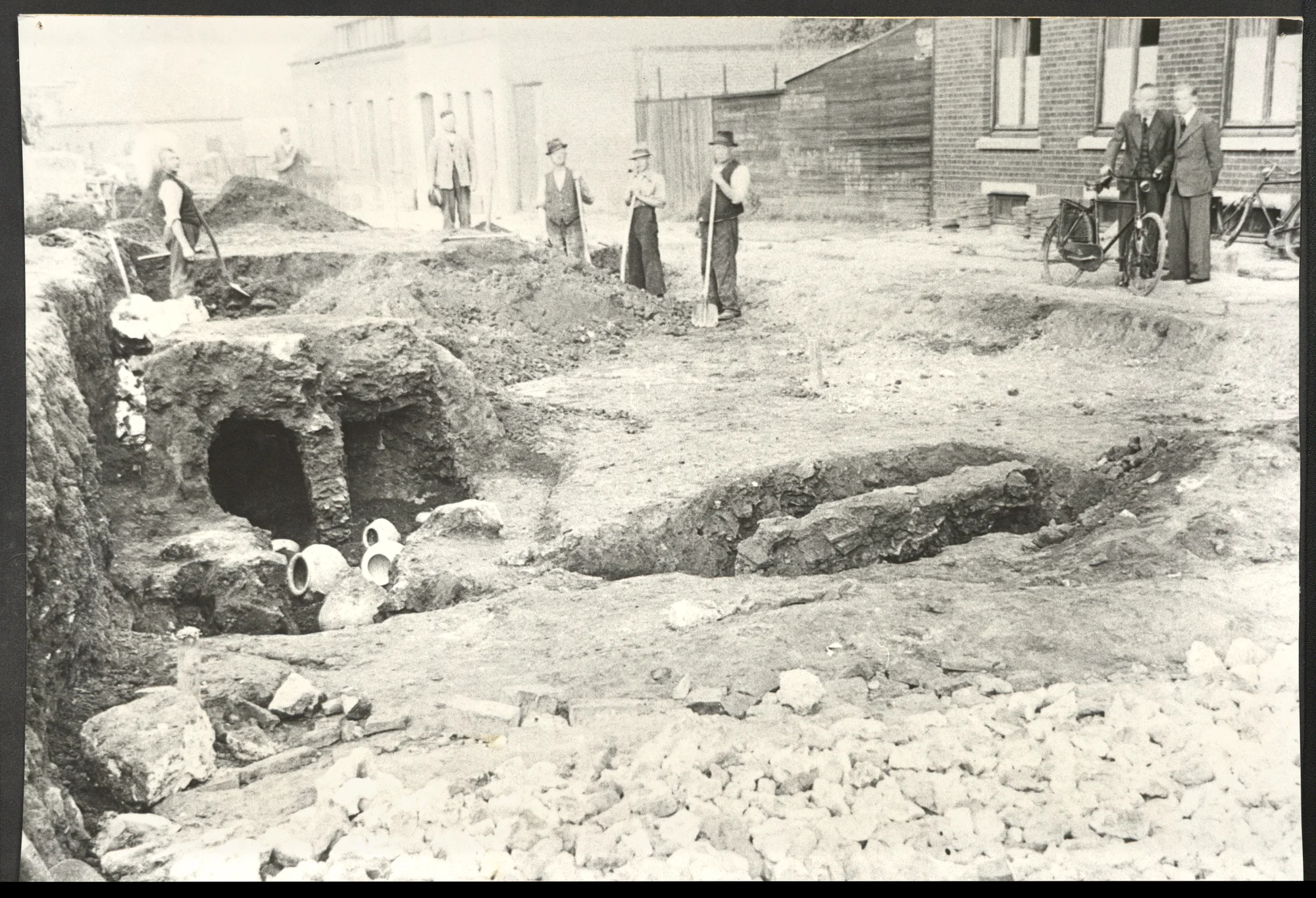
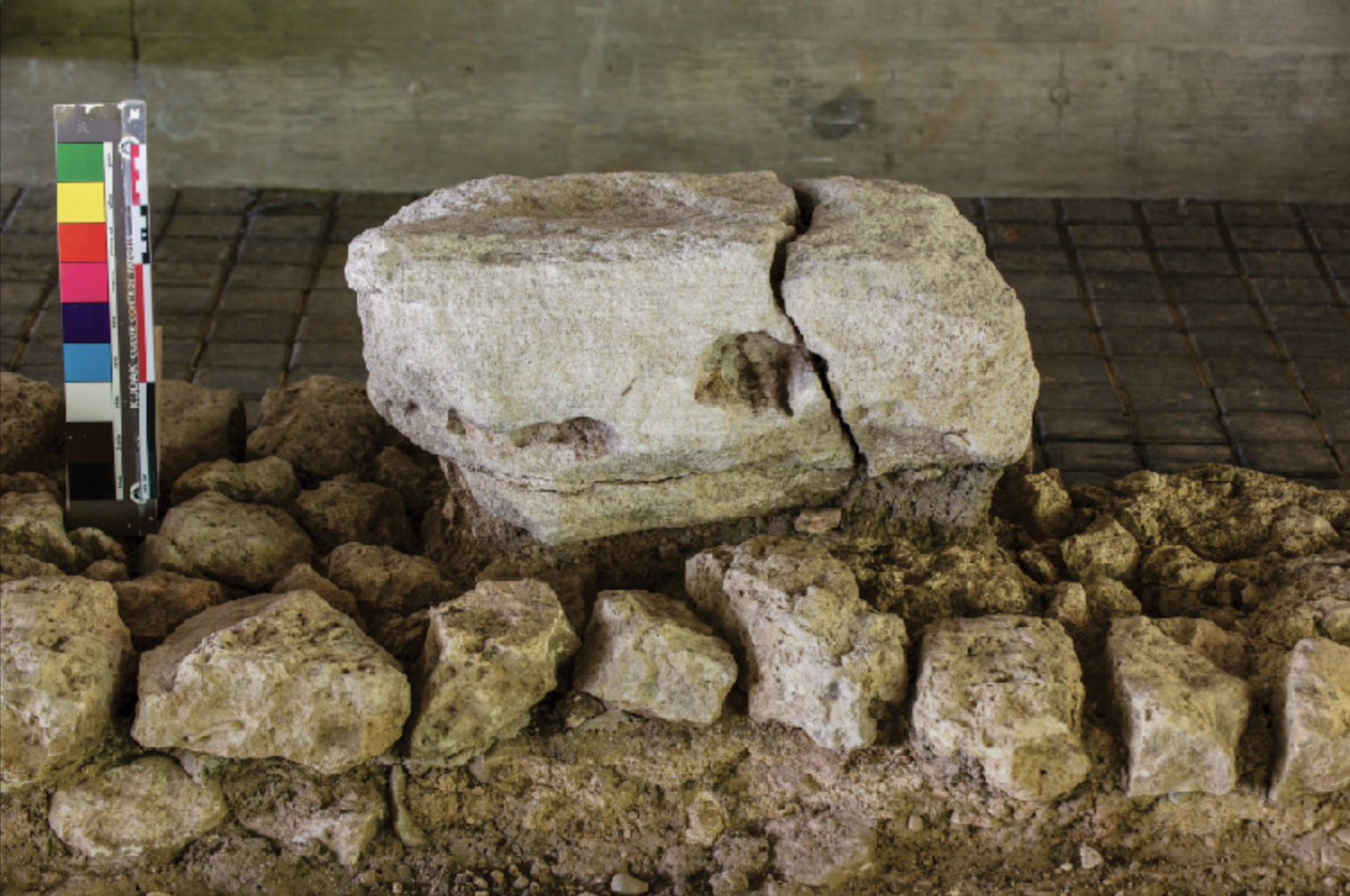
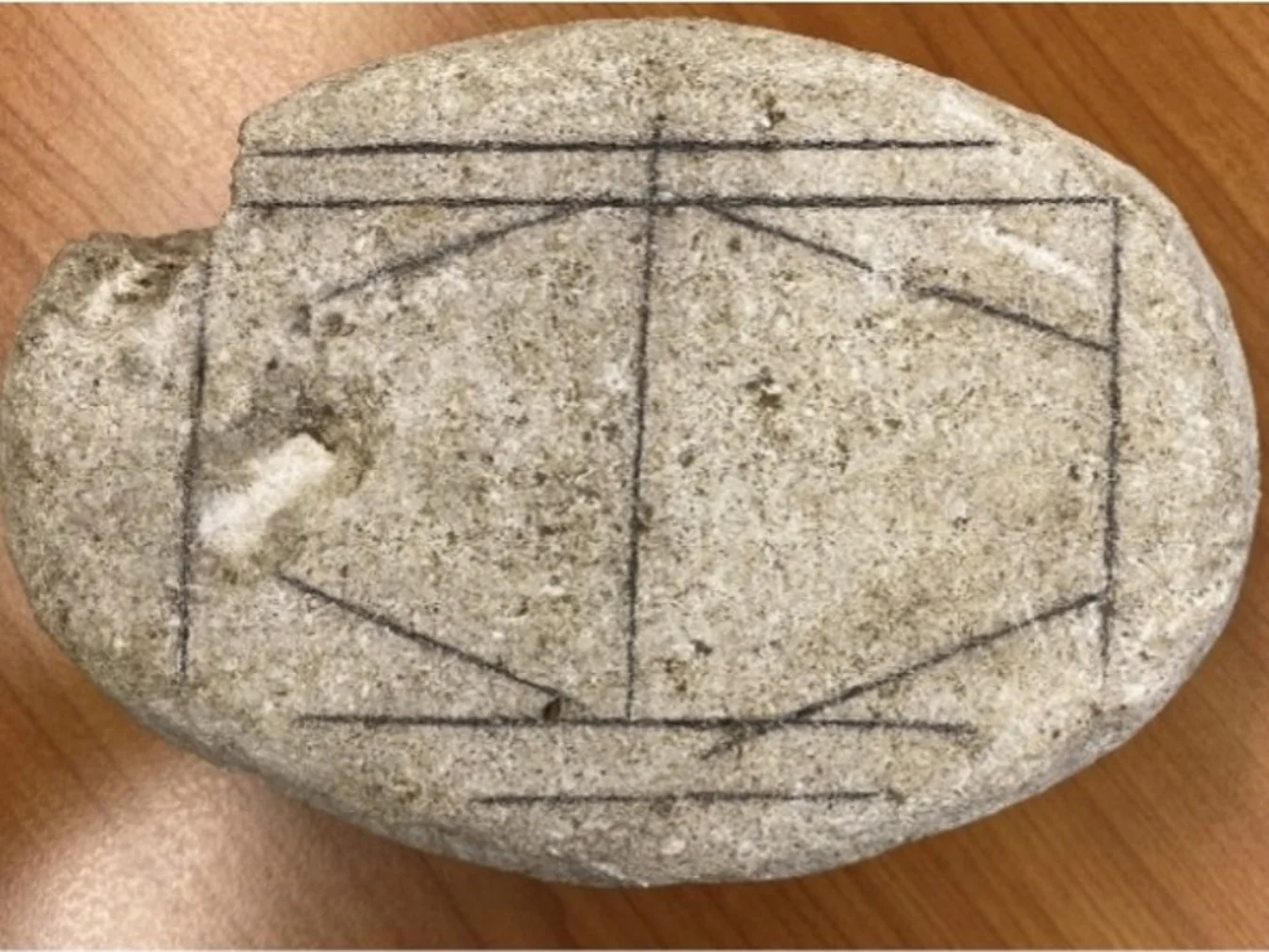
Two thousand years ago, someone scratched a web of lines into stone in a Roman settlement on the empire’s northern edge. Soldiers, traders, or locals passing time in Coriovallum, now Heerlen in the Netherlands, moved small counters across those lines in a tactical duel of blockade and entrapment.
The board survived but the rules did not. Now researchers believe they have them using artificial intelligence.
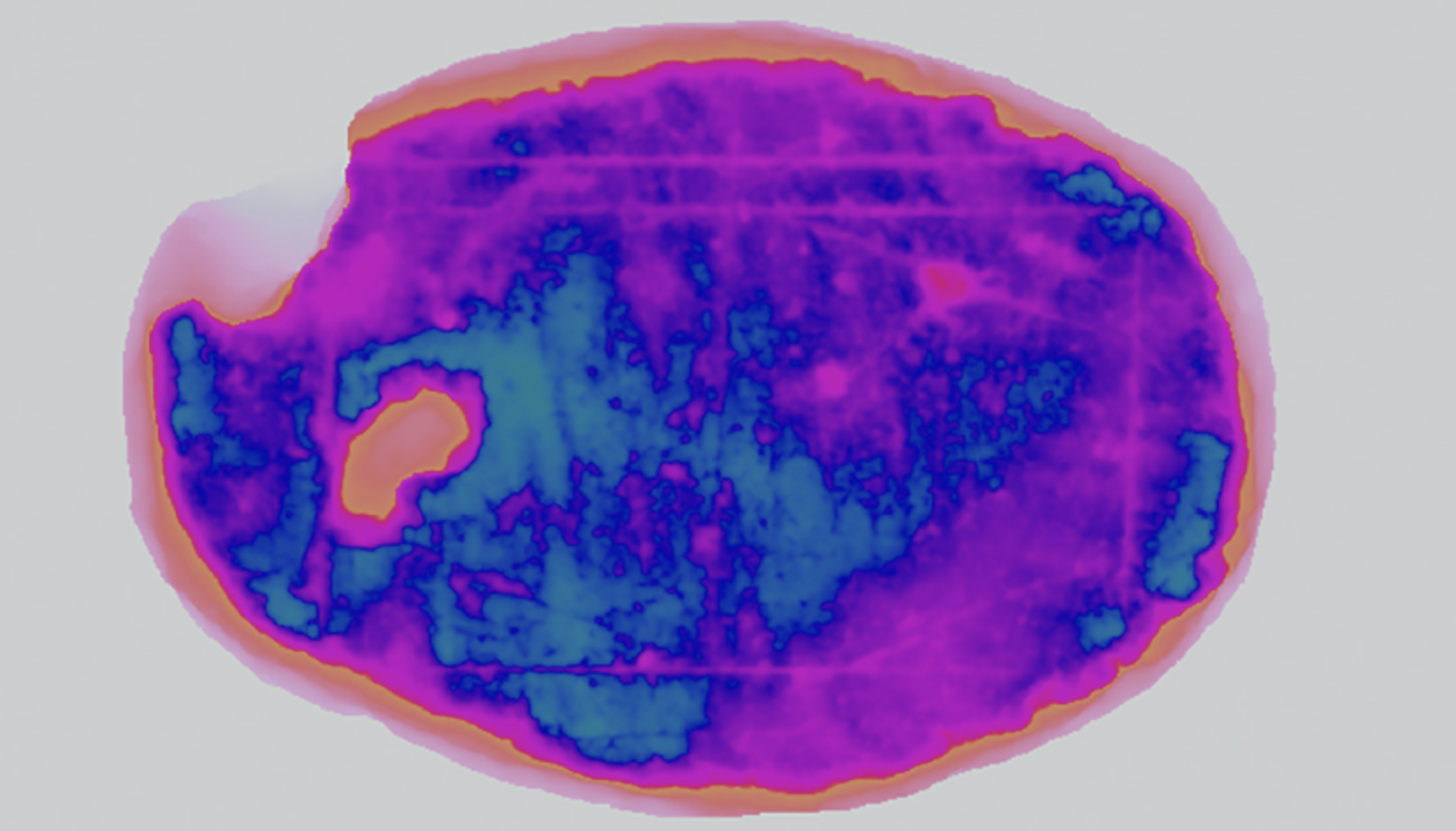
By simulating thousands of possible turn sequences on the carved network found at the site, archaeologists identified a ruleset that best matches the wear patterns on the stone: a two-player blocking game they’ve named Ludus Coriovalli, the Game of Coriovallum.
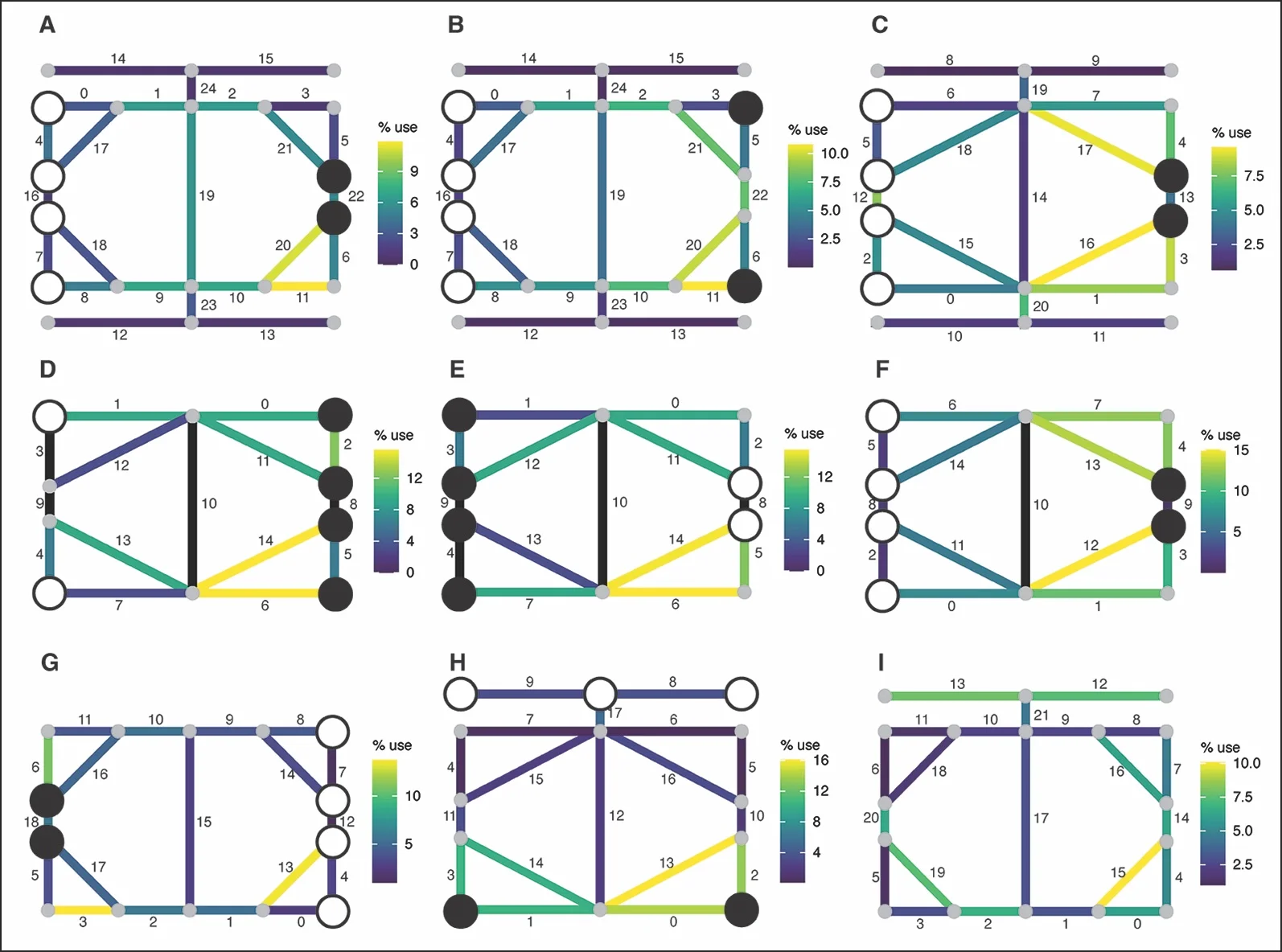
It belongs to the Roman family of line-movement strategy games that includes ludus latrunculorum, but with its own geometry and tempo.
For Green Prophet readers, this is familiar territory.
We’ve previously explored ancient games reborn from archaeology, from Mehen boards etched into ship planks to Egyptian Senet sets reconstructed from tomb art. These games are more than pastime, they’re ancient culture, revealing how people thought about territory, risk, and control.
Ludus Coriovalli adds a Roman frontier voice to that conversation.
What are the proposed rules of the game?
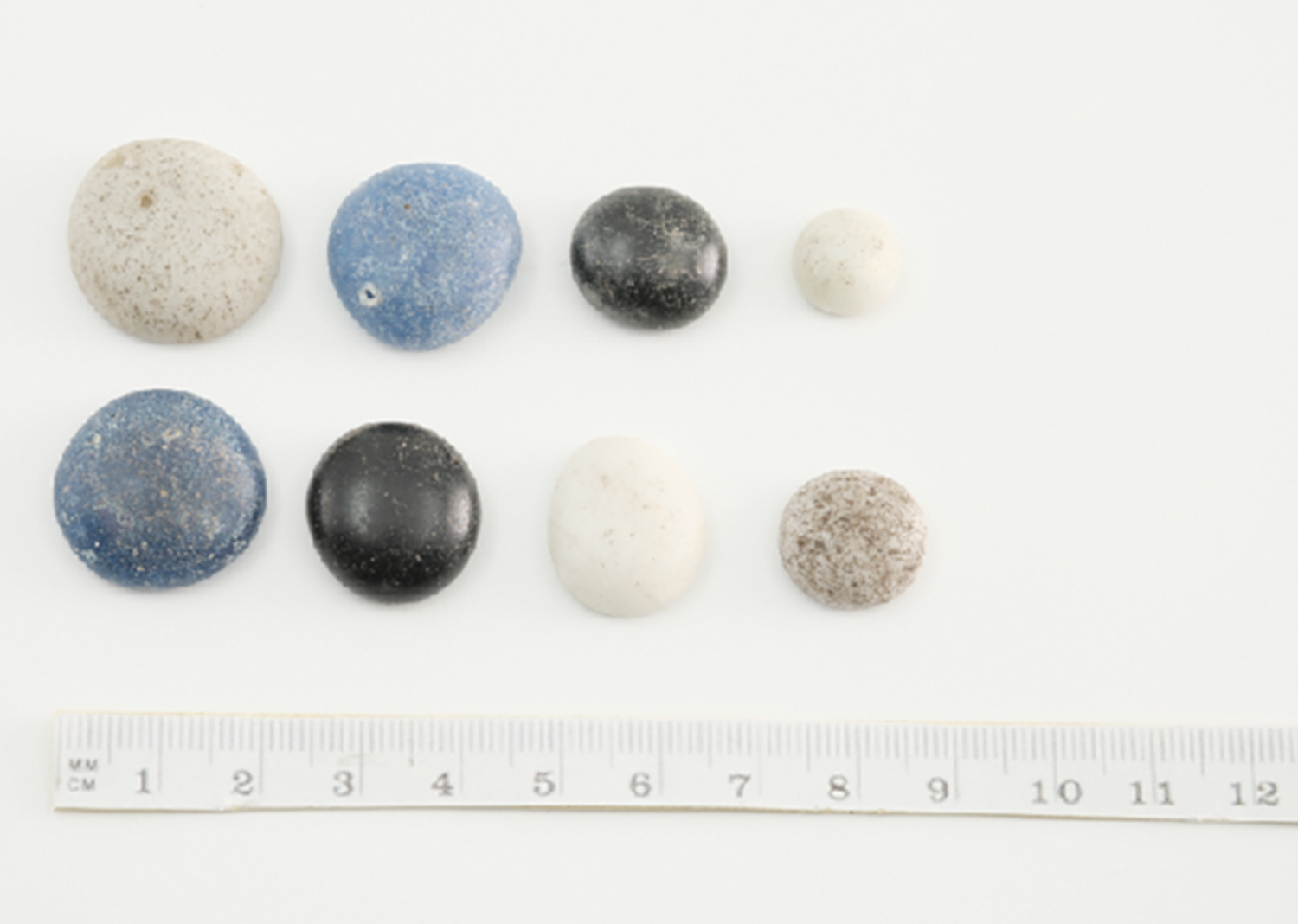
Two players use unequal numbers of pieces on a network of intersecting lines, with the larger force attempting to surround and immobilize the smaller force. Players take turns moving one piece at a time along the engraved lines to an adjacent intersection point. A piece (or group) is captured or neutralized when it is completely blocked so it cannot move along any connecting line. The larger side wins by trapping all opposing pieces, while the smaller side wins by evading capture or escaping the blockade.