

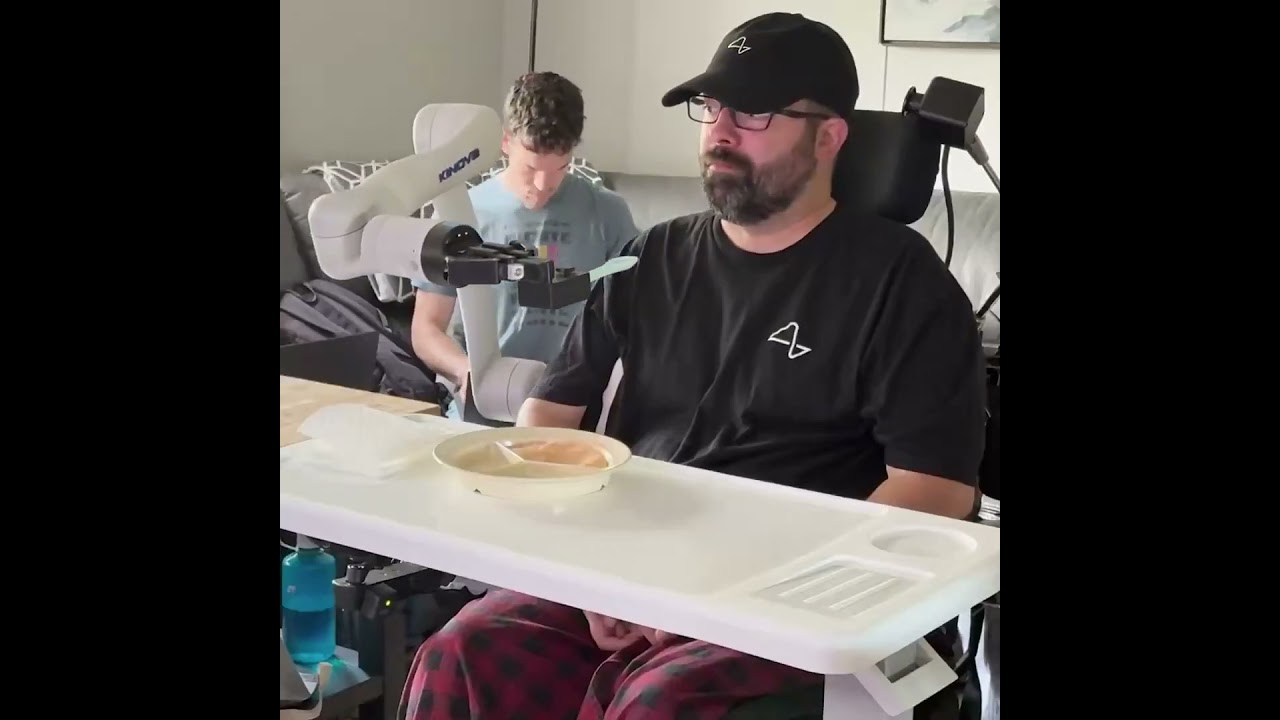
Neuralink implants hope to communicate between synapses in the brain after a spinal cord injury. With some hope in mind there, we know that spinal cord injury remains one of the most challenging neurological conditions to treat, largely because damage continues to worsen long after the accident.
Secondary injury processes caused by inflammation, and cell death—creates a hostile microenvironment that blocks neural regeneration in the immune system. Chinese medicine might provide some relief say researchers from China after a new study on ancient medicine pairings.
Current clinical strategies for spinal cord treatments focus on surgery, rehabilitation, and limited pharmacological interventions, and of course stem cell treatments and Neuralink which is a hopeful front, but in practice long-term functional recovery is often minimal. Many experimental therapies fail because they target only one aspect of this complex pathology.
As growing evidence suggests that multi-target regulation is essential for meaningful repair. In a study in Precision Clinical Medicine, Chinese researchers investigated whether a synergistic natural drug-pair approach could improve recovery after severe spinal cord injury.
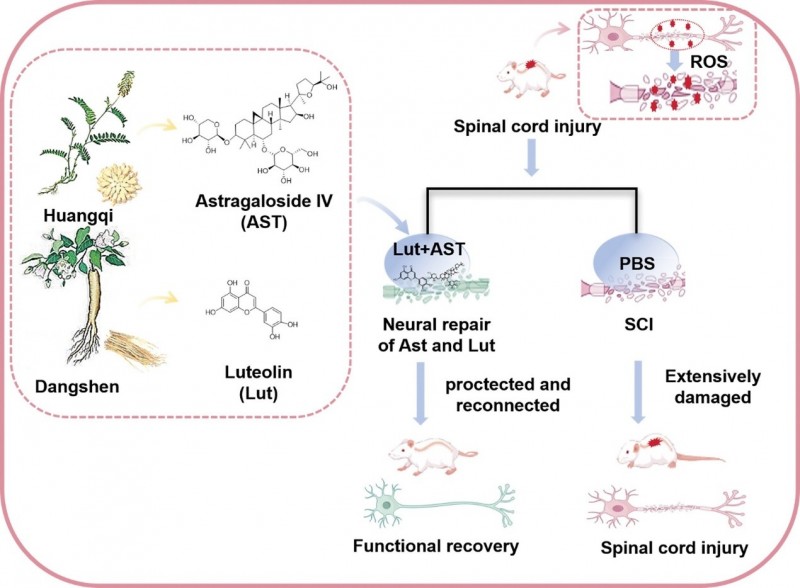
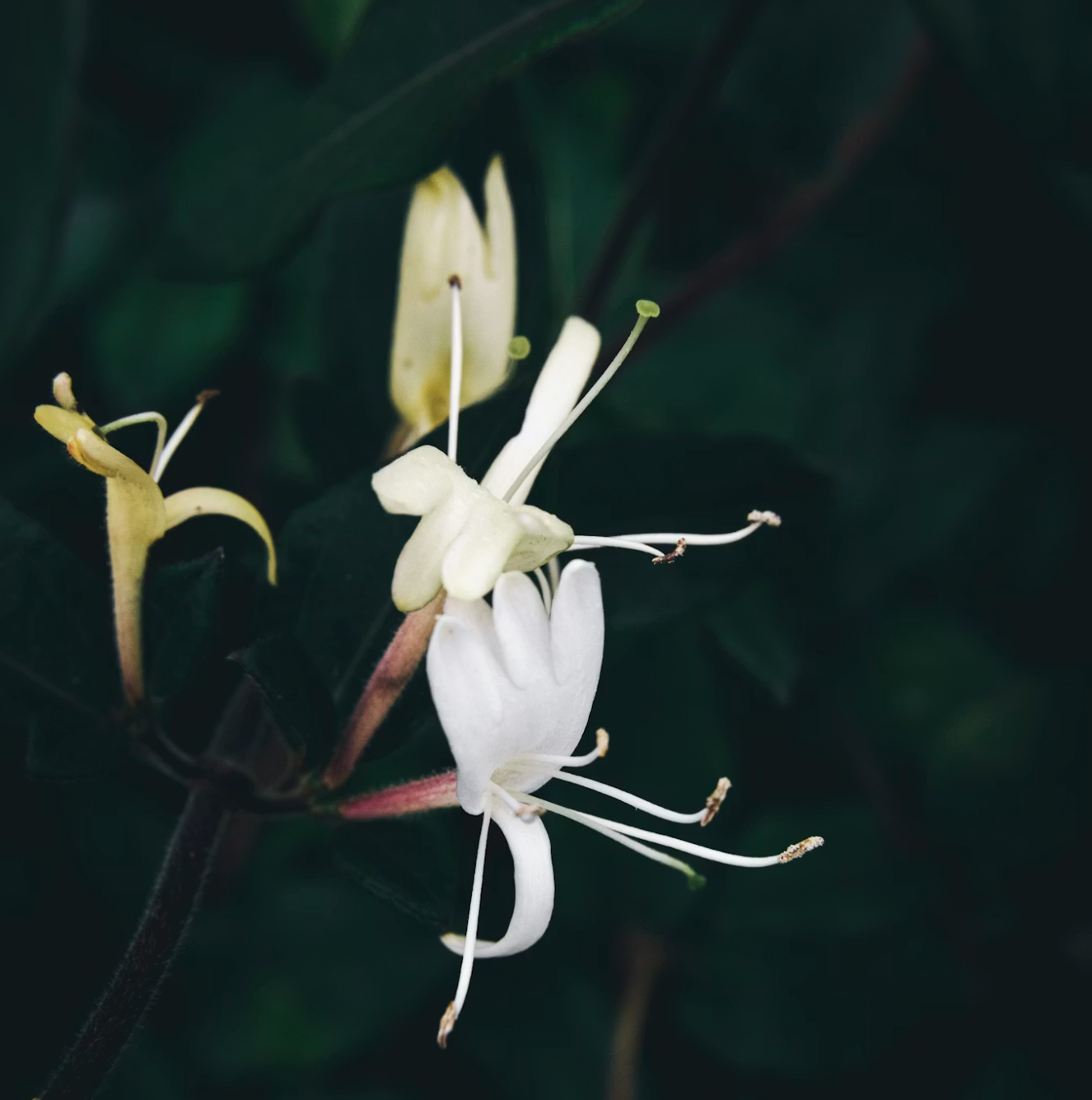
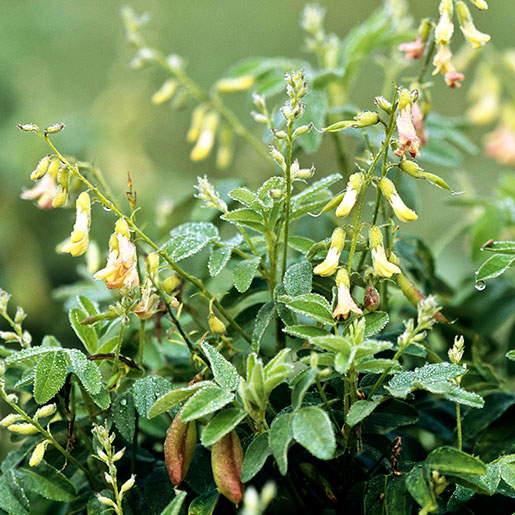
In the study, the scientists didn’t just test one plant compound at a time. They tested two traditional Chinese medicine compounds together — luteolin (from flowers like honeysuckle and chrysanthemum) and astragaloside IV (from astragalus root, Huang Qi). These plants have been combined in Chinese herbal formulas for centuries to help the body recover from injury and inflammation. So in a sense, the researchers were testing a modern, purified version of an ancient Chinese herbal pairing.
When they compared treatments, each compound alone helped only a little. But when they used both together, recovery after spinal cord injury improved much more. The combination reduced inflammation and oxidative stress while also supporting nerve survival and regrowth. Rats that received the paired treatment regained more movement, and their spinal cords showed less damage and scarring.
So the key idea is this: instead of inventing a brand-new drug, the scientists essentially tried a traditional Chinese medicine recipe principle — combining a restorative herb (astragalus/Huang Qi) with an anti-inflammatory flower compound (luteolin-rich herbs). Modern lab tests then confirmed what traditional practice long suggested: healing complex injuries often requires multiple plant compounds working together, not a single isolated molecule.
“Spinal cord injury is not driven by a single pathological process, so it is unlikely that a single-target drug can achieve meaningful recovery,” said one of the study’s senior authors. “What makes this strategy compelling is the way these two compounds complement each other—one strongly counteracts oxidative stress, while the other supports neural protection and regeneration. By working together, they create conditions that are far more favorable for repair. This study provides a strong rationale for exploring synergistic, multi-component therapies in the treatment of complex neurological injuries.”
The study offers important insights for the future design of spinal cord injury therapies. By demonstrating that a carefully selected drug pair can outperform single-compound treatments, it supports a shift toward multi-target strategies for neurological repair.
Although the current findings are based on preclinical models, they lay the groundwork for developing safer, more effective combination therapies that may reduce reliance on high-dose steroids or invasive interventions. Beyond spinal cord injury, this synergistic approach could inform treatment strategies for other neurodegenerative and traumatic conditions where oxidative stress and inflammation play central roles, advancing the broader field of regenerative and precision medicine.
The lead scientist on this study is Wei Lin, from the Department of Orthopedics at the Traditional Chinese Medicine–Western Medicine Hospital of Cangzhou and the Hebei Key Laboratory of Integrated Traditional and Western Medicine in Osteoarthrosis Research in Cangzhou, China.



 and astragaloside IV (from astragalus root, Huang Qi). These plants have been combined in Chinese herbal formulas for centuries to help the body recover from injury and inflammation.)