
For decades, corporate social responsibility often meant a logo on a football jersey, a banner at a marathon, or a handshake photo with a charity. Visibility mattered more than durability. But that model is changing.
Like we learned with Levi’s which is training teens on how to repair clothing at schools in America, some of the world’s biggest brands are investing not in events — but in people.
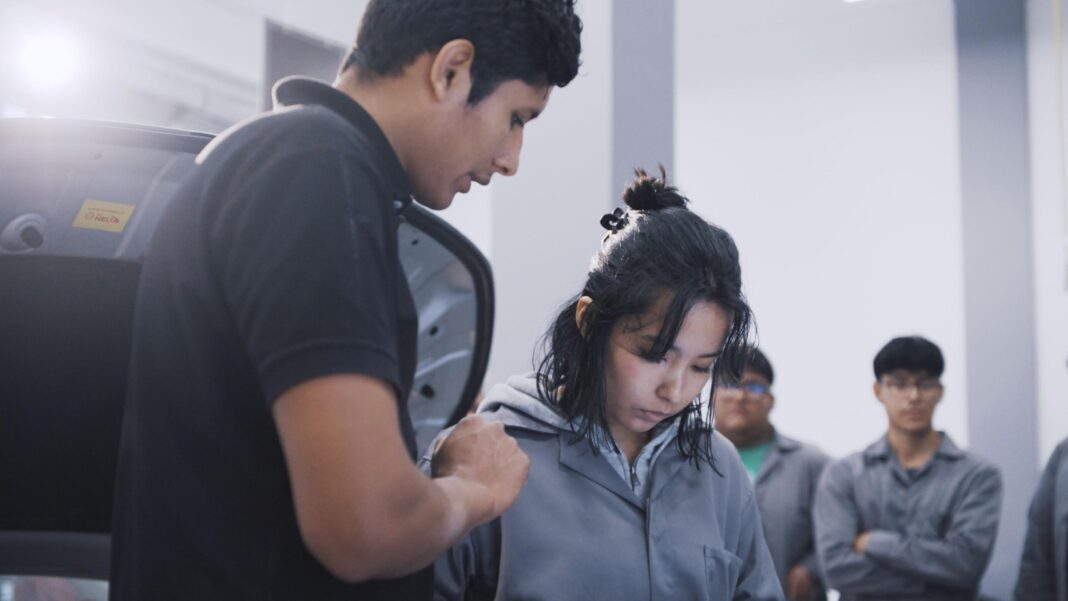
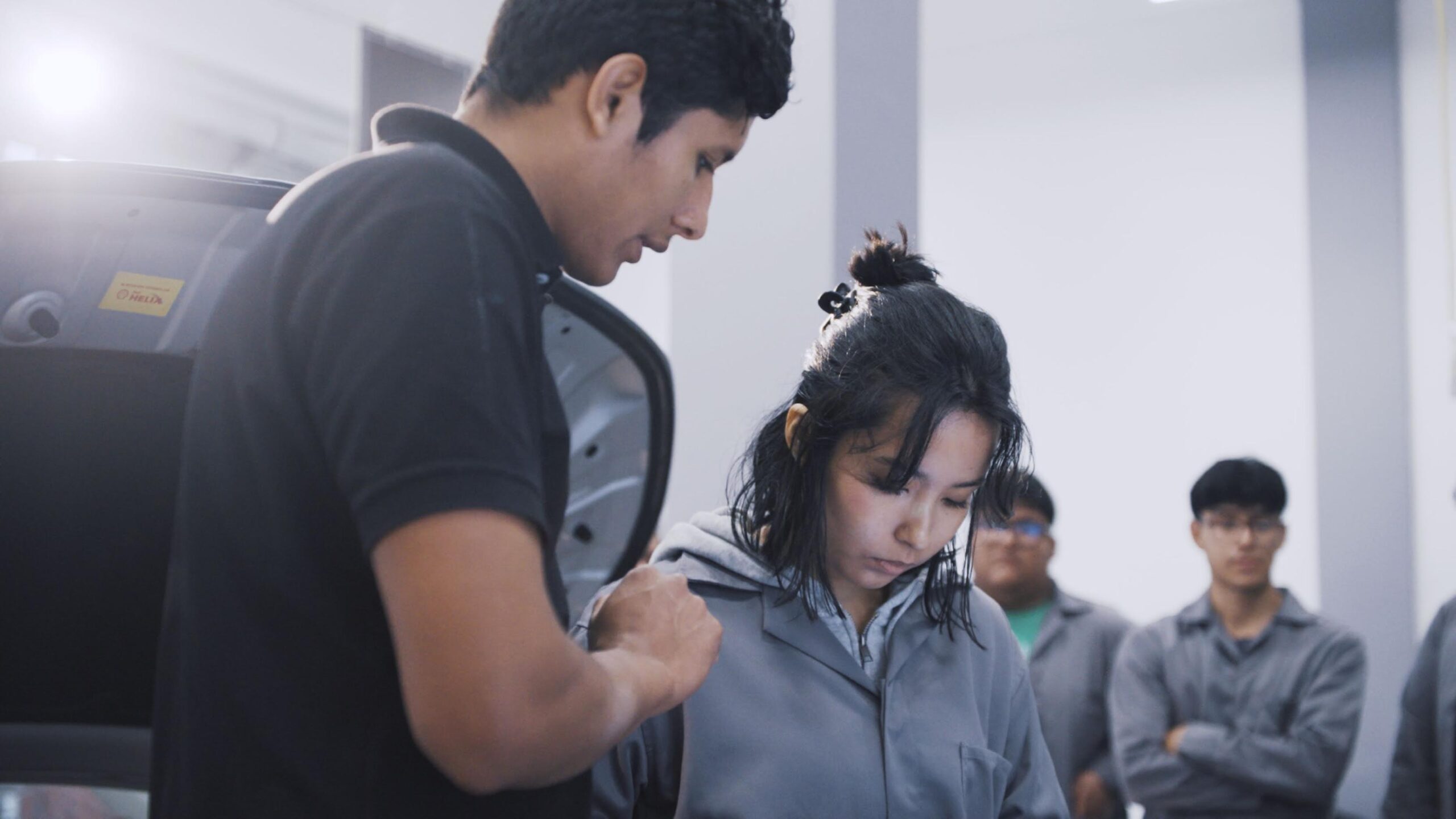
Kia’s new Bootcamp program is a clear example of this shift. This week, Kia Corporation (listed on the Korean Stock Exchange KRX: 000270) unveiled a documentary highlighting its flagship CSR initiative, which provides hands-on technological education to young people in Mexico, Peru, the Philippines, and Morocco, with expansion planned to Ecuador, South Africa, and Singapore in 2026. The goal is not short-term aid, but something far more radical in corporate philanthropy: self-reliance. They are training young people how to be mechanics – on combustion engines, hybrids and electric vehicles.
“Bootcamp is a very meaningful and valuable activity that draws a bright future from the deep well of global youth potential,” said Tae-Hun (Ted) Lee, Head of Global Operations Division at Kia. “We will continue to expand various programs that provide local partners with opportunities to acquire new technologies at world-class educational facilities while experiencing the Kia brand firsthand.”
From donations to “priming water”
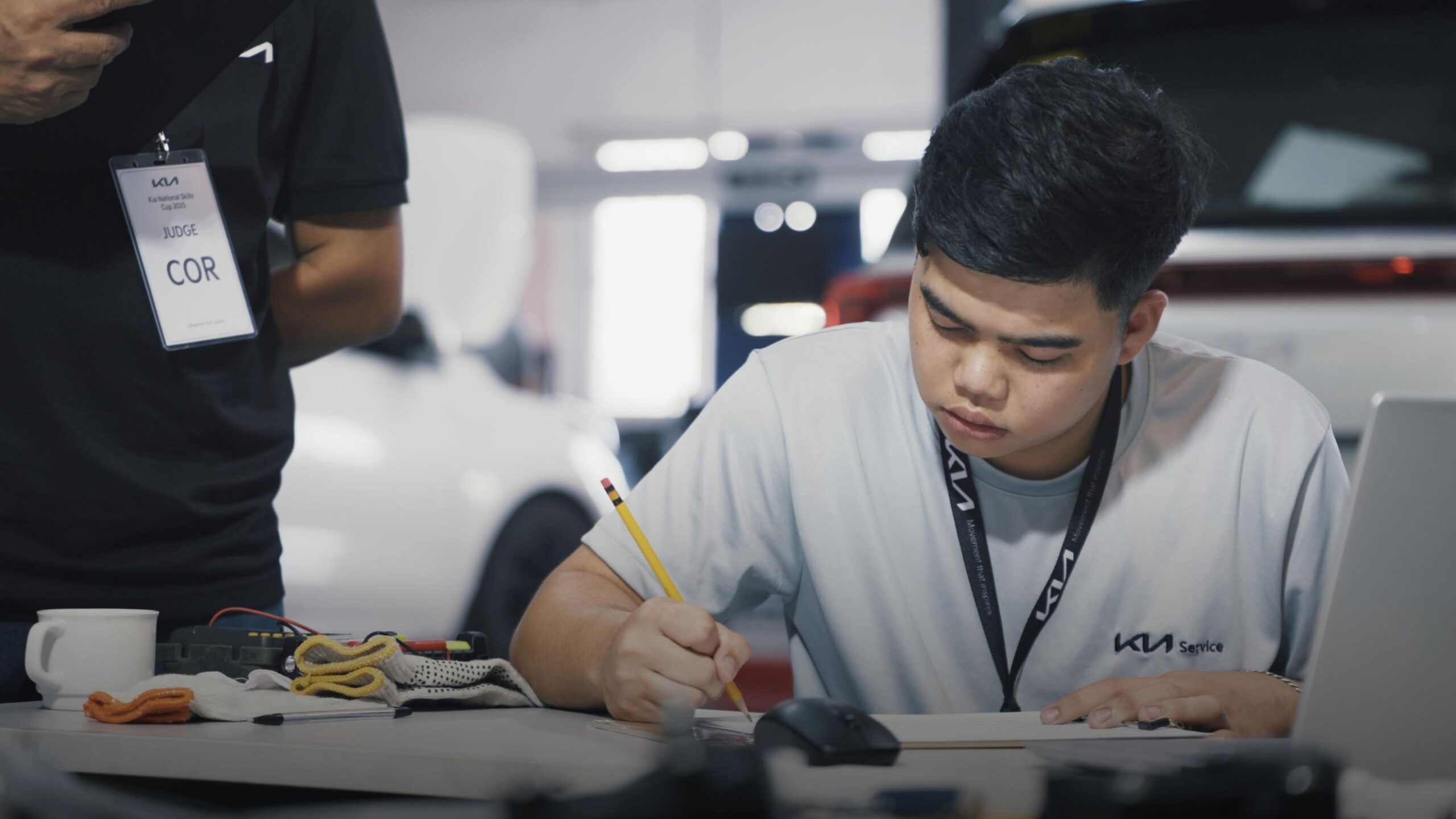
Kia describes Bootcamp (which made the news in the US over carjackings using a USB cable) using a metaphor borrowed from rural life: “priming water.” Just as a small amount of water is poured into a pump to start drawing water from a deep well, Bootcamp is designed to activate long-term capacity rather than deliver one-off charity.
Instead of giving money or equipment alone, Kia provides: Training vehicles, automotive tools and diagnostic equipment, instruction in combustion, hybrid, and electric vehicle technologies, partnerships with Kia retailers, garages and local schools. During Bootcamp 1.0 in 2025, their pilot program, Kia trained 87 professional mechanics, and 34 have already secured jobs at local dealerships. Another 50 trainees are currently in training in Morocco.
Kia is not alone.
Levi’s, for example, has shifted its sustainability focus beyond recycled denim into human skills. Through repair programs in schools and community spaces, Levi’s is teaching teenagers how to fix jeans — turning clothing care into an act of climate literacy and self-reliance.

Patagonia has built its Worn Wear program around repair, resale, and repair education.
Microsoft funds cloud and AI skills programs in underserved regions.
And in the financial fintech world world, a similar shift is underway. My Say On Pay, a new intelligence platform for C-level compensation, monitors publicly traded companies to evaluate how CEO pay compares with shareholder value creation. Instead of celebrating executive excess (see our story on Rodney McMullen), the platform asks a harder question: Does leadership compensation reflect real performance? Its education arm, 36North, extends this philosophy to young investors, offering practical training in sound wealth management, long-term thinking, and responsible financial decision-making, with women investors at the core.
Together, these programs reflect the same emerging philosophy as Kia’s Bootcamp: empower people in the entire business ecosystem your business operates in with skills, not slogans.
We are entering an era where water, energy, labor, and skills are all becoming climate-sensitive resources. Societies cannot rely on governments alone to fill the gaps and AI is going to be fast replacing entry level jobs. This gives us hope that humans will still have work and purpose.