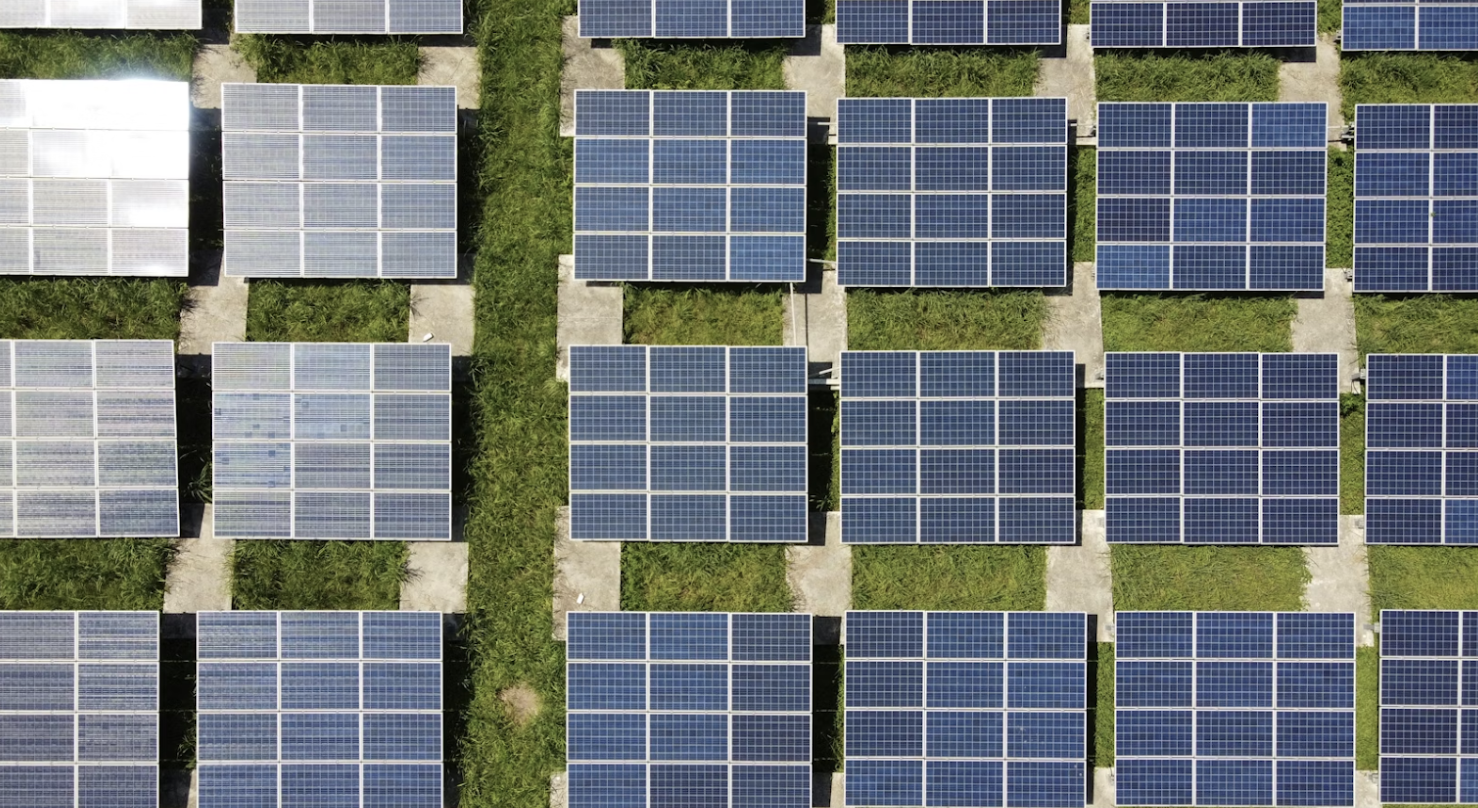
Renewable energy has moved from the sidelines to the center of how we power modern life. Costs have fallen, projects scale faster, and grids are adapting. What once felt like a future bet now looks like common sense for homes, businesses, and entire countries.
The Tipping Point for Clean Power
A wave of new solar and wind projects is reshaping the electricity supply. The buildout is happening across rooftops, parking canopies, farms, and utility sites. As the share of clean power rises, grids rely less on imported fuels and more on local resources.
Solar’s Fast Climb
Solar has become the star of the transition thanks to modular hardware and straightforward installation. It fits dense cities and remote towns alike. Many companies are turning to rooftop arrays and carport systems – and exploring commercial solar installation as a practical way to lock in future savings. Falling equipment prices and faster interconnection timelines are helping projects pencil out for small and mid-sized facilities.
Economics that Keep Improving
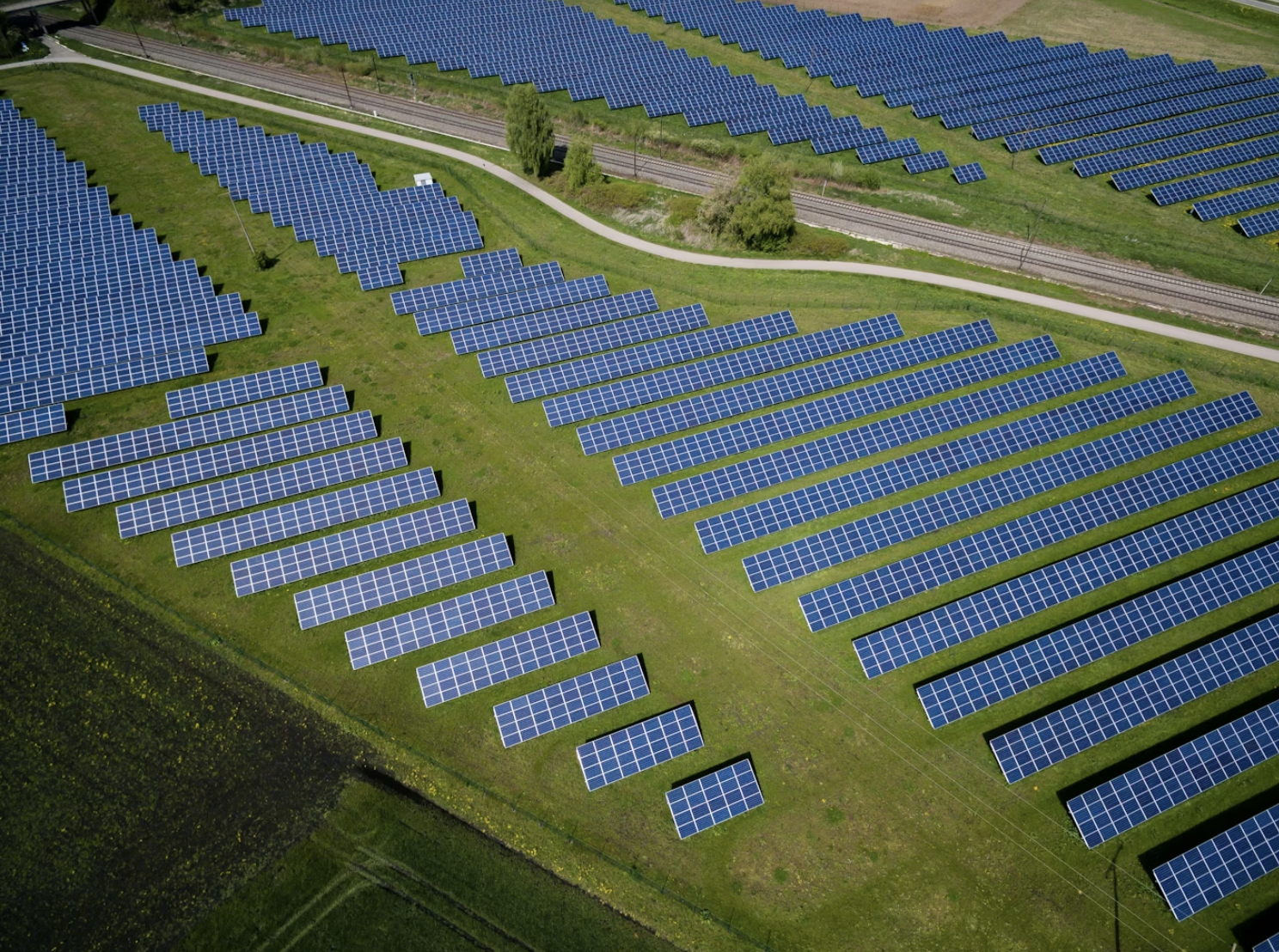
Power prices have been volatile in recent years, which makes predictable solar output valuable. Analysts tracking U.S. markets reported that faster utility rate hikes can shorten project payback times by about one third, making systems more attractive to finance and own. That shift encourages facility managers to size arrays for daytime loads and pair them with smarter controls.
A recent outlook from European industry researchers described a record year for new solar capacity and a steep rise in global totals. Big volumes matter because they push manufacturers to scale, lowering per-watt costs for panels, inverters, and mounting gear. Those cost drops ripple into quicker timelines and more bankable proposals for site owners.
What Businesses Gain
For many organizations, energy is a top operating expense. Solar can reduce monthly bills and hedge against future spikes. It also helps meet sustainability targets that customers, employees, and regulators expect.
- Lower and steadier energy costs over 20+ years
- Better power quality when paired with smart inverters
- Visible progress toward emissions goals
- New shade and weather protection from solar carports
- Potential tax credits or incentives, depending on location
Smarter design choices
Good design starts with load profiles and roof conditions. Flat roofs might use ballast systems to avoid roof penetrations. Sloped roofs may favor rail and clamp attachments. Carports can free up rooftops for HVAC or future expansions. Right-sizing inverters and planning wire runs can save labor hours and reduce losses.
Storage and Software Tighten The Fit
Batteries make daytime solar more flexible by shifting energy to late afternoon and evening peaks. Simple rules like charging when the sun is strong and discharging during high-tariff periods improve savings. Site controllers can also pre-cool buildings or stagger equipment start times to smooth demand.
Industry analysts recently noted that higher retail electricity rates compress payback periods further when paired with batteries and demand management. That combination can change a 6-year outlook into something closer to 4 years for many commercial users, improving project approvals and access to capital.
Scale that Changes Markets
Global market trackers reported that the world added hundreds of gigawatts of solar in a single year, pushing total capacity into the multi-terawatt range. Rapid growth at that scale is transforming supply chains, workforce skills, and grid planning. It is also normalizing PPAs and leases, providing businesses with more options to fund projects without incurring high upfront costs.
The energy system is changing fast. With solid economics, practical designs, and smarter controls, renewable power is becoming the new baseline. The shift will not look the same everywhere, but the direction is clear, and the momentum is real.