


Is It Safe to Be Around Artificial Snow?

Are snow machines making people sick?

Climate change is causing a number on ski hills around the world, with some shutting down for lack of predictable seasonal snow. But what people don’t know is that snow machines, using a chemical called Snowmax, or Snomax, may not be as innocuous as you think. One would imagine that snow machines just freeze water and push it out as snow, but it’s not the case with technical snow. One study even linked artificial snow, Snowmax, to increased numbers of a deadly nerve disease in this French ski village.

This shift to fake snow has raised a reasonable public question: is artificial snow safe for people who ski on it, work with it, or live nearby?

The short answer from current science is: there is no strong evidence that artificial snow is dangerous to the general public, but there are documented environmental and occupational concerns that continue to be studied.

What artificial snow is made from
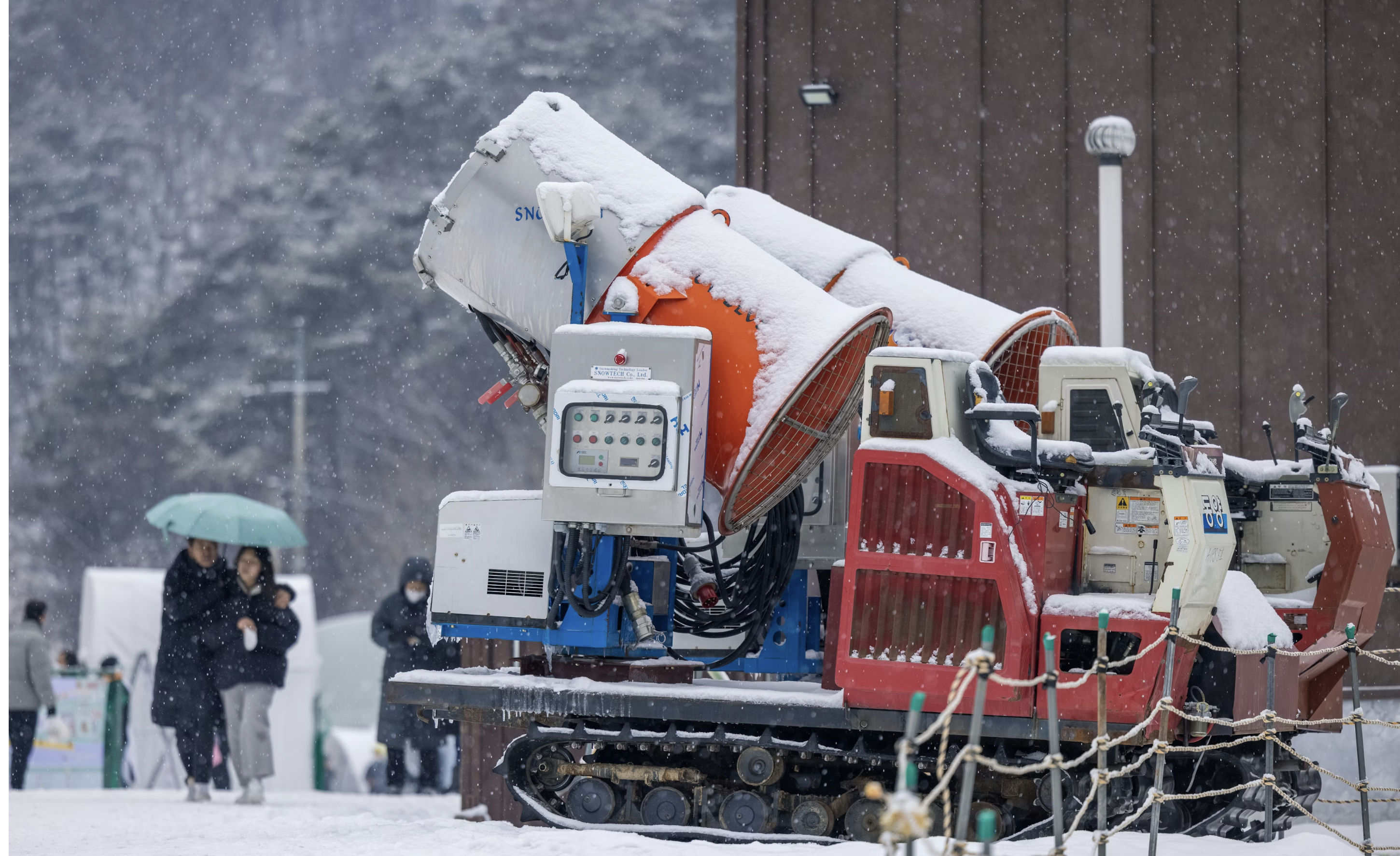
Artificial snow is made from a bacteria
Artificial snow is made from a bacteria and used in Snowmax, or Snomax to create technical snow

Artificial snow is produced by spraying pressurized water and air into cold conditions so that droplets freeze before reaching the ground. In most cases, the snow is simply frozen water. In some regions and time periods, ski operators have used snowmaking additives, most notably Snomax, which contains ice-nucleating proteins derived from the bacterium Pseudomonas syringae. These proteins allow water to freeze at slightly warmer temperatures.

The bacterium used in Snomax is non-viable (it is killed first) and it cannot grow at human body temperature. Regulatory reviews in Europe and North America have not found evidence that it causes infectious disease in humans. But not a lot of studies have been done.

Studies indexed in PubMed have examined potential health effects of artificial snow exposure. These include occupational studies of snowmaking workers and environmental monitoring of snow, air, and water. No evidence of acute illness in skiers or nearby residents linked to artificial snow.

Occupational exposure to bacterial endotoxins has been measured among snowmaking workers, particularly when handling additives in powdered form. Short-term studies, including a U.S. NIOSH health hazard evaluation, did not find clear respiratory disease in exposed workers, though sample sizes were limited.
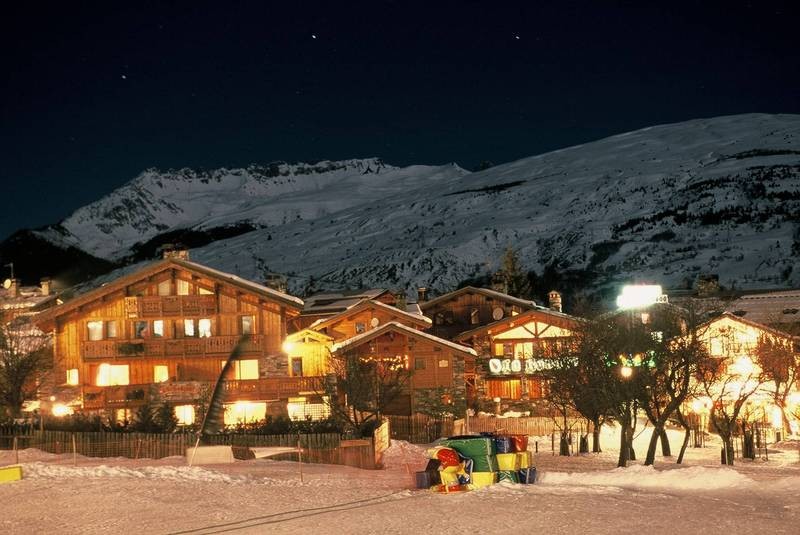
Montchavin is a ski village in the Alps that has a surge of ALS and researchers suggest mushrooms and possibly artificial snow machines might be the link

Because endotoxins are known to cause airway irritation in some contexts, researchers consider snowmaking staff — not the recreational skiers — the group most relevant for ongoing monitoring.

Recent European studies have examined artificial snow for antibiotics, bacteria, and antibiotic-resistance genes. These studies found that contaminants in artificial snow largely reflect upstream water pollution, especially from municipal wastewater treatment plants and medical facilities — not from the snowmaking process itself.

In some cases, artificial snowmaking reduced bacterial concentrations compared with intake water. Researchers also found that water storage reservoirs may help lower the transfer of pollutants into technical snow.

Despite limited evidence of direct harm, some countries and regions have restricted or banned snowmaking additives under the precautionary principle. These decisions reflect uncertainty, public concern, and environmental protection priorities rather than confirmed health hazards.

Based on current evidence artificial snow is considered safe for the general public.  But as artificial snow use expands with climate change, scientists continue to study long-term environmental and health effects.

Karin Kloosterman
Karin Kloostermanhttp://www.greenprophet.com
Karin Kloosterman is an award-winning journalist, innovation strategist, and founder of Green Prophet, one of the Middle East’s pioneering sustainability platforms. She has ranked in the Top 10 of Verizon innovation competitions, participated in NASA-linked challenges, and spoken worldwide on climate, food security, and future resilience. With an IoT technology patent, features in Canada’s National Post, and leadership inside teams building next-generation agricultural and planetary systems — including Mars-farming concepts — Karin operates at the intersection of storytelling, science, and systems change. She doesn’t report on the future – she helps design it. Reach out directly to [email protected]

TRENDING

Why this French ski village is being stalked by a nerve disease

Researchers found that this French ski village was known for eating this one thing

Brigitte Bardot dies but her legacy of animal rights lives on

Iconic French actress dies but leaves behind a legacy of caring for animals.

If you live in these US states you are more likely to get epilepsy

People who live in these US states are more prone to seizures.

Ski Japan and skip the cherry blossoms

apan’s winters reveal a quieter magic far from the cherry blossoms — a landscape of deep snow, mountain silence, and steaming hot springs. From Niseko’s legendary powder in Hokkaido to the Olympic slopes of Hakuba and the ancient baths of Nozawa Onsen, Japan offers some of the world’s most sustainable and culturally rich ski experiences. With efficient bullet-train access, renewable-powered resorts, and geothermal onsens under falling snow, this is how to ski Japan responsibly — where tradition, technology, and climate awareness meet on the same mountain.

Lebanon ski resorts and when to escape climate change

Lebanon’s mountain resorts — from Mzaar Ski Resort Faraya to the Cedars of God in Bsharri — offer rare snow in the Middle East, where you can ski by day and swim in the sea by night. But climate change is shrinking snow seasons fast. Resorts like Zaarour, Laqlouq, Faqra, and the Cedars are adapting, turning toward year-round eco-tourism and mountain conservation.

Should You Invest in the Private Market?

startustartup Unlike public stock exchanges, which offer daily trading, strict...

How to build a 100-year-company

Kongō Gumi is a Japanese construction company, purportedly founded in 578 A.D., making it the world's oldest documented company. What can we learn about building sustainable businesses from them?

From Pilot Plant to Global Stage: How Aduro Clean Technologies’ 2026 Expansion Signals a Turning Point for Chemical Recycling Investors Like Yazan Al Homsi

The company's Next Generation Process (NGP) Pilot Plant in London, Ontario, has officially moved into initial operating campaigns, generating the kind of structured, repeatable data that separates laboratory promise from commercial viability.

How AI Helps SaaS Companies Reduce Repetitive Customer Support Work

SaaS products are designed for large numbers of users with different levels of experience, and also in renewable energy.

Pulling Water from the Air

Faced with water shortage in Amman, Laurie digs up...

Turning Your Energy Consultancy into an LLC: 4 Legal Steps for Founders in Texas

If you are starting a renewable energy business in Texas, learn how to start an LLC by the books.

Tracking the Impacts of a Hydroelectric Dam Along the Tigris River

For the next two months, I'll be taking a break from my usual Green Prophet posts to report on a transnational environmental issue: the Ilısu Dam currently under construction in Turkey, and the ways it will transform life along the Tigris River.

6 Payment Processors With the Fastest Onboarding for SMBs

Get your SMB up and running fast with these 6 payment processors. Compare the quickest onboarding options to start accepting customer payments without delay.

Related Articles

Popular Categories