
From cave food to clean-label prebiotics
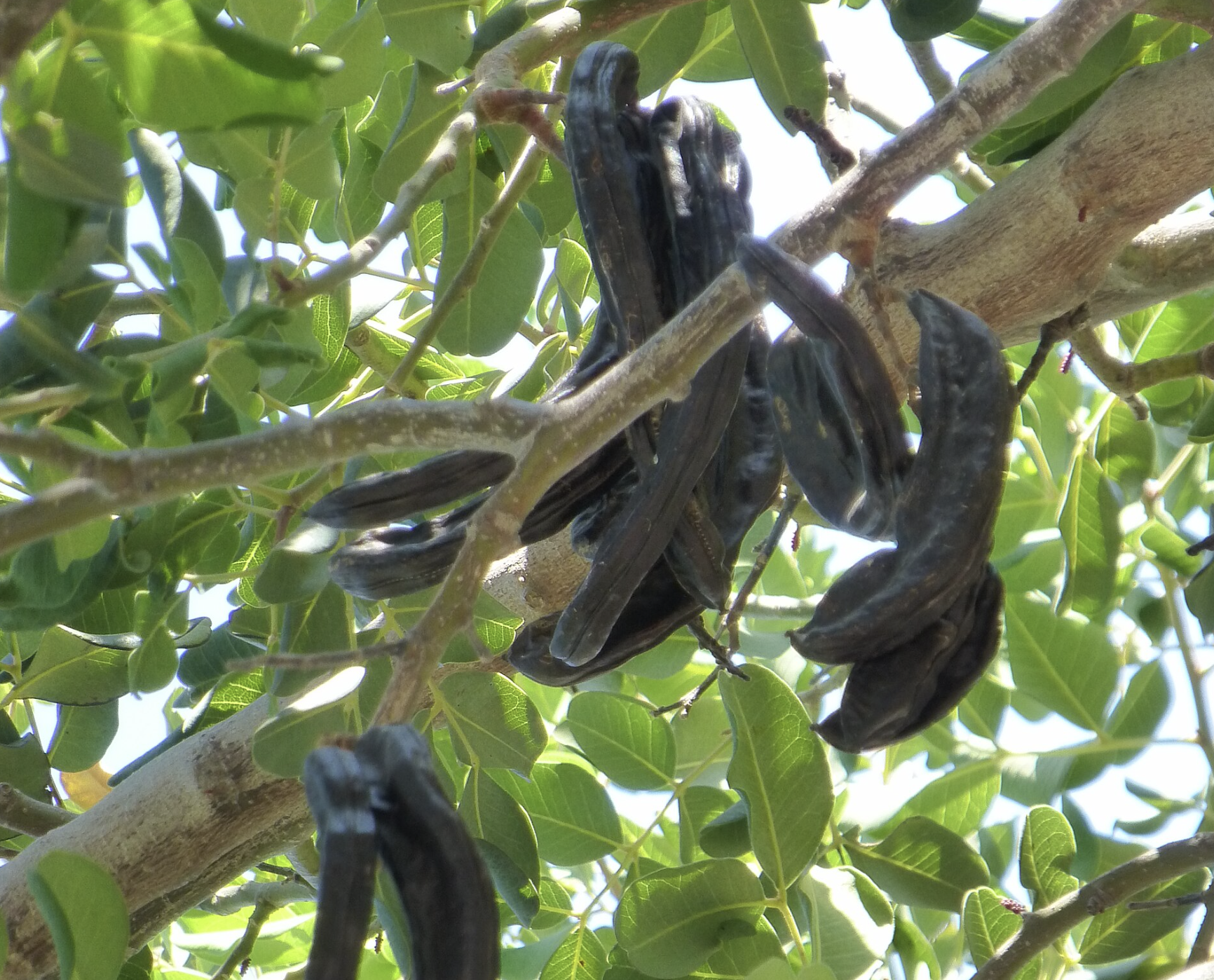
Jewish tradition tells of Rabbi Shimon bar Yochai, a mystic who fled Roman persecution and hid in a cave for years, living on a single carob tree and a spring of water. From this hardship came the mystical teachings of the Zohar, a foundational book in the Kabbalah. The carob tree, Ceratonia siliqua, became a symbol of endurance and nourishment across the Mediterranean. In Israel, carob has been used as a vegan alternative to chocolate for years. Little kids don’t notice the difference and it’s a natural way to satisfy the sugar craving.
Two thousand years later, the same fruit is being reborn as a sustainable, functional superfood.

The Swiss–Israeli bio-ingredient company CarobWay has announced an exclusive US distribution deal with GRA Nutra Corp. to launch CarobBiome in 2026 — a clean-label prebiotic fiber derived from upcycled carob fruit.
Carob pods are rich in natural fiber, minerals, antioxidants, and D-pinitol, a compound linked to blood-sugar balance. The new ingredient CarobBiome contains about 85% total fiber, combining soluble and insoluble fractions that promote digestive comfort and metabolic wellness. It is made using only water and heat, producing a neutral-flavored powder for supplements, baked goods, snacks, and meal replacements.
“CarobBiome™ was designed to be gut-friendly, label-friendly, and highly functional,” says Udi Alroy, CarobWay’s CEO and co-founder. “We wanted to honor the ancient fruit while applying modern science to support everyday health.”
Partnership rooted in sustainability
GRA Nutra CEO Lynda Doyle says the partnership will help bring carob’s potential to the North American functional food and supplement market. “By integrating CarobWay’s high-quality, responsibly produced ingredients into our portfolio, we expand what we can offer across the functional food, beverage, and supplement industries,” Doyle explains. “Our shared commitment to sustainability and integrity drives this collaboration.”
CarobWay grows and processes its own carob trees across the Mediterranean, creating a zero-waste, vertically integrated supply chain. The seeds and pulp are all reused in new products, and the drought-resilient trees contribute to carbon sequestration and soil health — making carob one of the planet’s most sustainable crops.
Even the sages warned about balance
Not everyone in the ancient world viewed carob as a miracle food. The great medieval physician and philosopher Maimonides (Rambam) wrote in his dietary teachings that, “One should refrain from eating too many tree fruits… carobs are always harmful… while figs, grapes, and almonds are always beneficial.”
Rambam believed that health was derived from food and it is advisable to not eat too much at any meal. His warning about carbos are likely rooted in the medical science of his time, reminds us that moderation was once the ultimate prescription for health.
Today, modern nutrition is rediscovering that same principle — but with new tools and evidence. While carob in excess may have troubled medieval digestion, its natural fibers and polyphenols are now recognized for supporting gut balance and metabolic health when used properly.
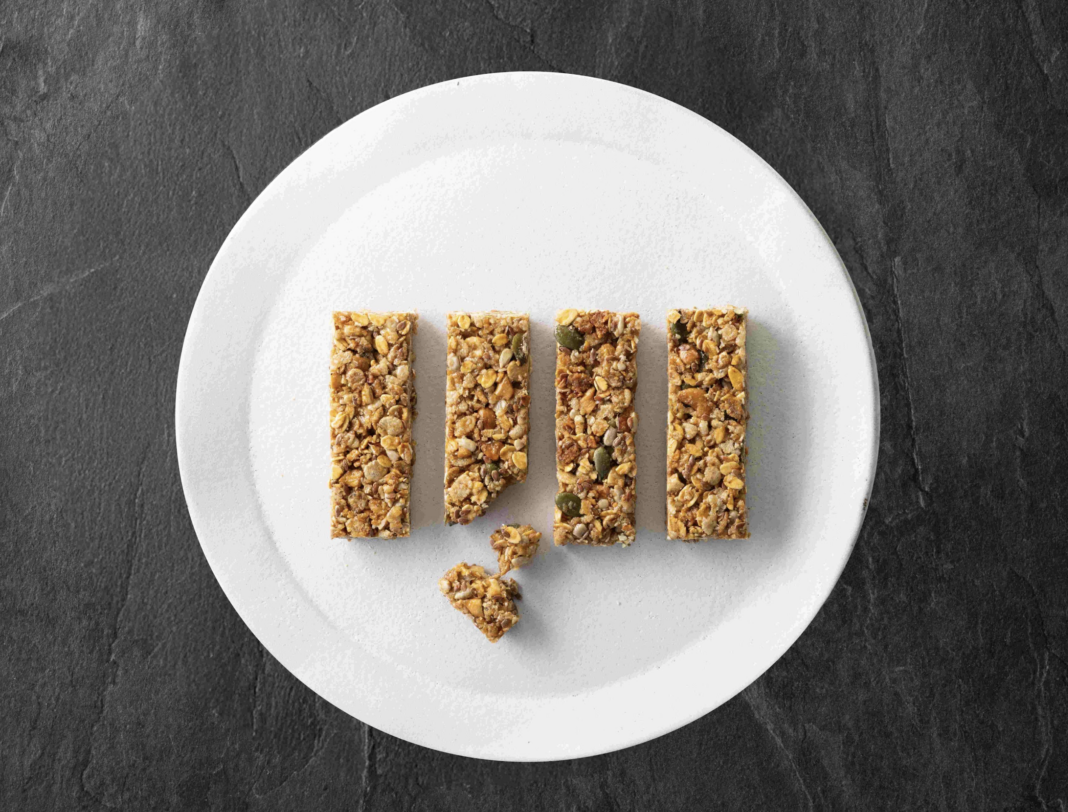
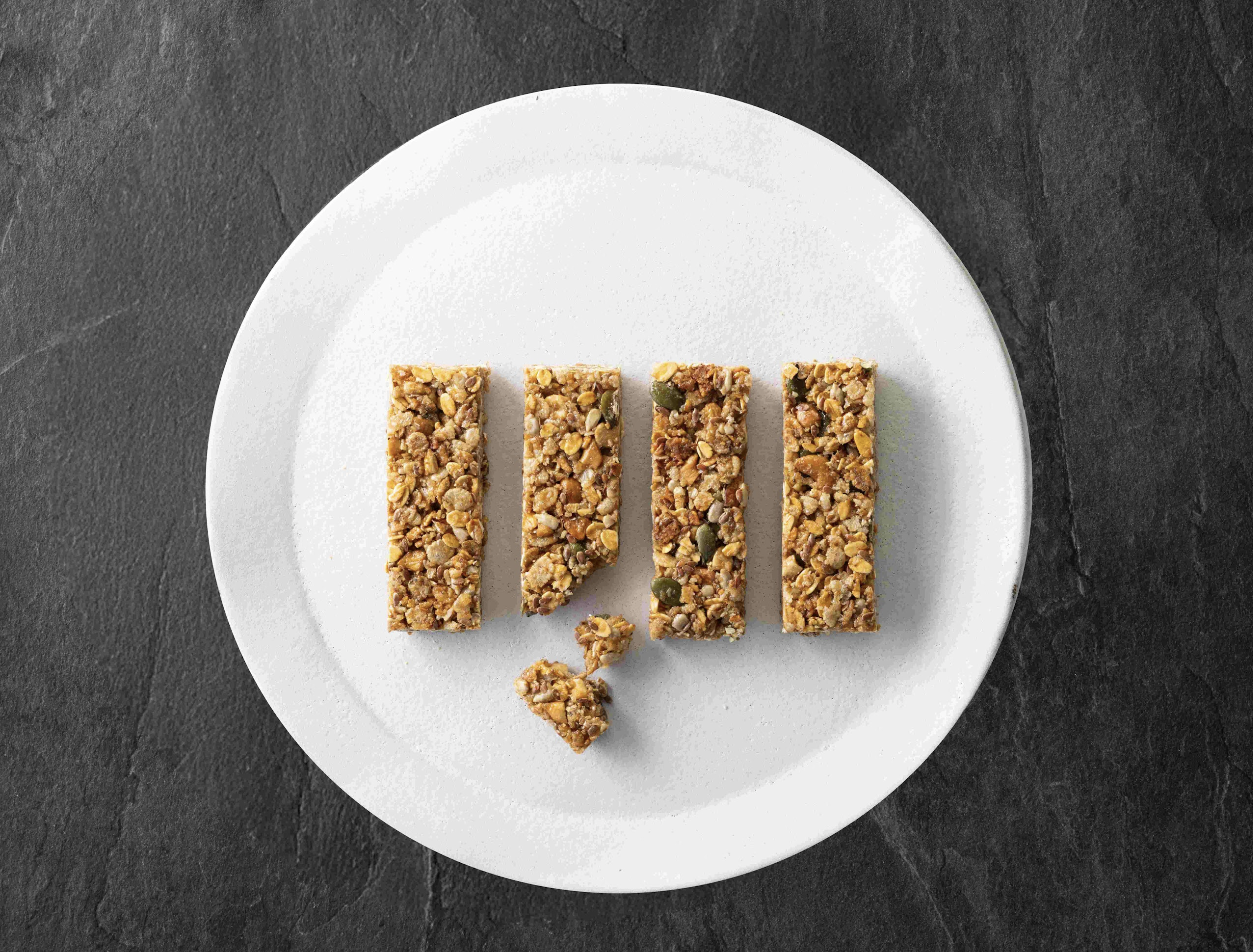
Once a symbol of survival and divine simplicity, carob bars are born from a new generation of sustainable foods aligned with the global “food as medicine” movement. We do believe however the best source of nutrition is food that is not processed and altered and then put back together.
The carob tree thrives where little else grows, using minimal water and resisting pests naturally. As droughts worsen across the Mediterranean and Middle East, carob’s resilience offers a model for regenerative agriculture. Its deep roots stabilize soil and provide shade for biodiversity, aligning with climate-smart farming goals across the region. Hiking in the Sea of Galilee region in Israel it is easy to come across a carob tree and have a healthy snack. Watch out for the seeds. They can break your teeth.
Competition in the U.S. prebiotic market
CarobWay isn’t alone in the growing gut-health race. The U.S. market is already rich with functional fiber innovators:
- TIC Gums (Ingredion) — A major player in carob powder and hydrocolloid ingredients, supplying functional fibers and clean-label texturizers to major food brands.
- Nexira — Its inavea Carob Acacia blend combines acacia and carob fibers with proven prebiotic effects, already marketed in North America.
- Traditional prebiotics — Inulin, soluble corn fiber, and tapioca fiber dominate the category, though brands are actively seeking novel, sustainable alternatives like carob.
With consumers shifting toward “food as medicine,” the emergence of carob-based prebiotics positions CarobWay among a small but promising circle of next-generation fiber innovators.
For Green Prophet readers following stories like seed banks in the Middle East, recovering gut health after antibiotics,
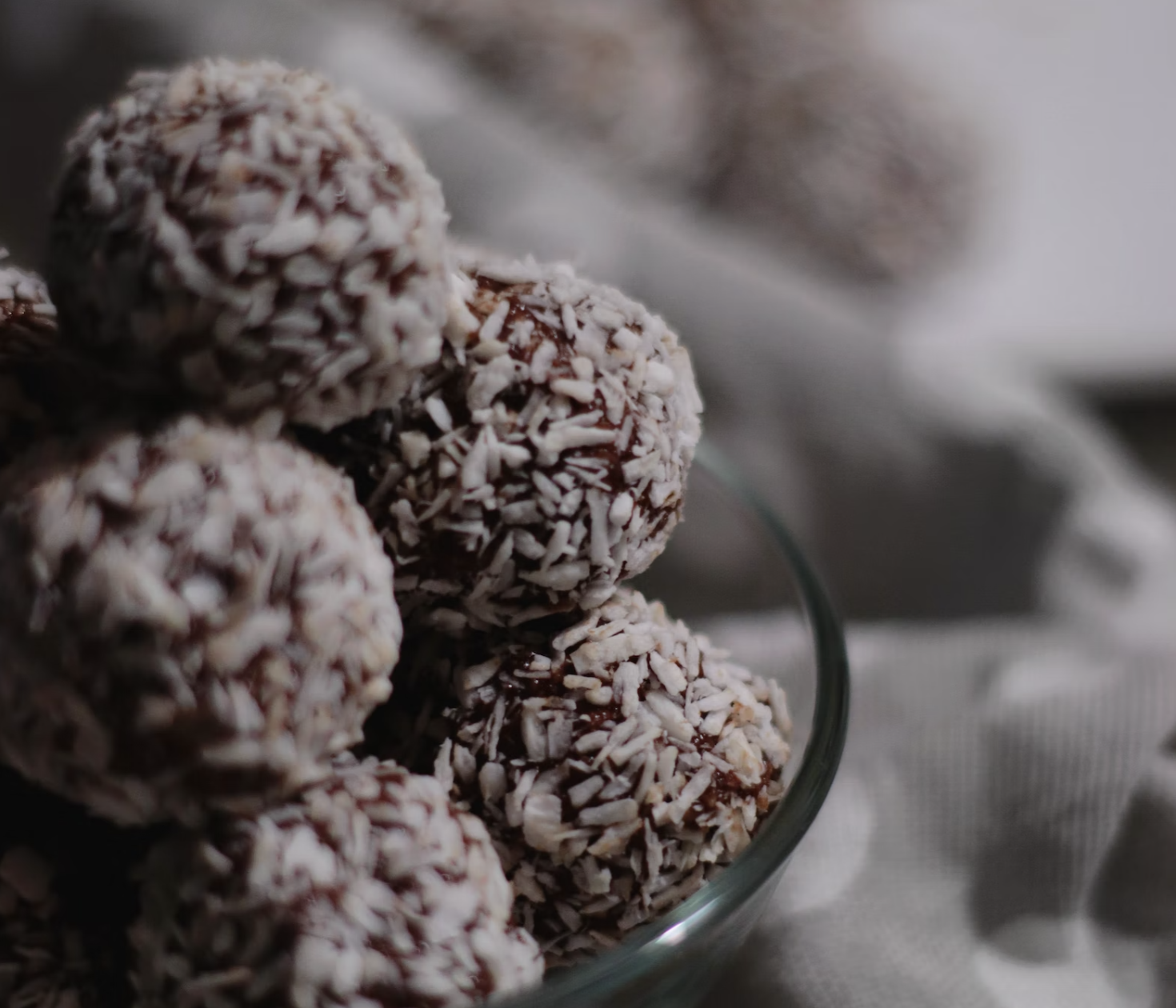
and ancient carob recipes for Tu B’Shvat, and make your own carob nut balls.