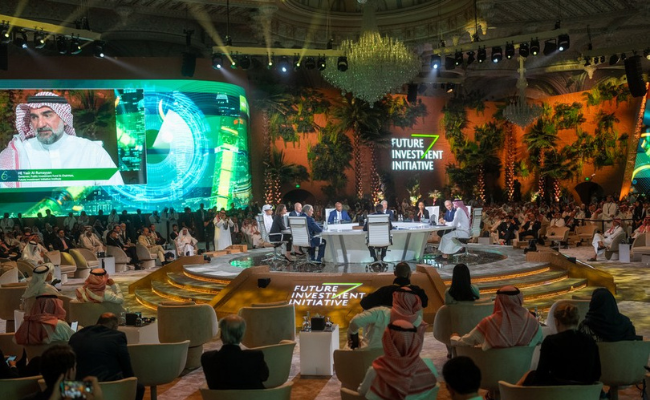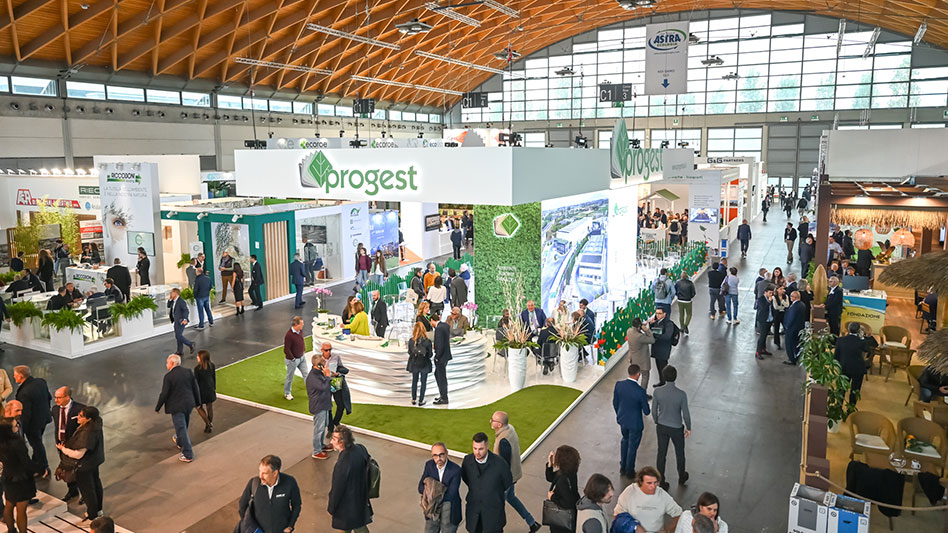
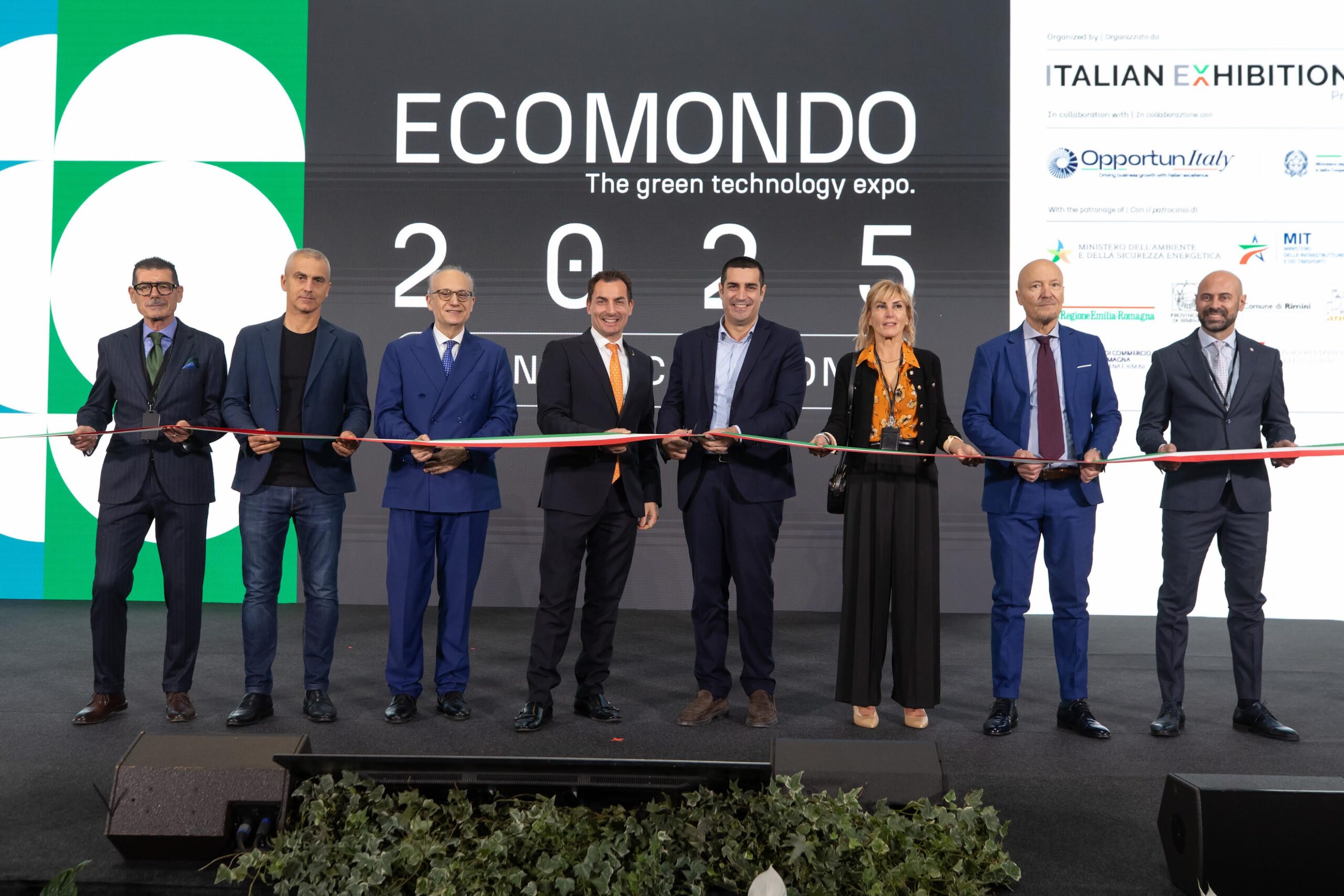
As the 28th edition of Ecomondo opens in Rimini, Italy it comes with a quiet truth that feels almost subversive in the era of climate mega-summits and scripted ministerial statements: this trade fair — full of waste-sorting robotics, composting technology, soil-remediation systems, and industrial biogas machinery — may now matter more to the planet’s future than the COP conferences that dominate global climate headlines.
COP has always been about diplomacy, negotiation, and political signaling. It is the global stage where nations gather to pledge emissions targets, debate loss-and-damage financing, and reaffirm their commitment to a shared climate agenda. It’s a place where people meet when the previous work has already been done.
But we are no longer living in a decade where promises are the substance of climate action. We are living in the decade of execution.
And execution does not happen in marble plenaries or UN press tents. It happens in exhibition halls like those in Rimini — in the sight of shredder lines turning textile waste into new feedstock, water-recycling systems being stress-tested, algae vats bubbling quietly, and biofertilizer reactors feeding regenerative agriculture.
In other words: COP is where the world talks about climate action. Ecomondo is where the world actually builds it.
This year Ecomondo brings together more than 1,700 exhibiting companies, 30 halls, 166,000 square meters of circular-economy innovation, 380 hosted buyers from 66 countries, and over 200 conferences led by industrial, academic, and regulatory experts. It’s a demonstration of scale — but not the theatrical scale of global diplomacy. It’s the scale of supply chains, of business models, of industrial ecosystems.
Walk through Rimini and the difference is instant: instead of panels debating ambition levels, you see companies demonstrating anaerobic digesters, next-gen composting infrastructure, optical sorters for plastic waste, textile-recycling machinery, aquifer-restoration systems, AI-enabled climate monitoring tools, lithium battery shredders, and sludge-to-fertilizer technology.
Europe’s emissions goals will not be met by pledges, but by infrastructure. The circular economy will not scale through slogans, but through procurement, factories, and financing models. And Ecomondo understands this.
The 2025 programme leans into the hardest industrial questions of the decade:
- How do we close the loop on textiles under new EU rules?
- What happens to 2030’s waste solar panels and wind turbines?
- Can biogas and biomethane scale fast enough to displace fossil gas?
- How do cities transform waste streams into economic resources?
- How do we regenerate degraded soils at continental scale?
- How do we secure critical minerals without opening new wounds?
COP’s theater vs. Ecomondo’s workshop
COP is necessary — it forces nations to face each other and acknowledge a shared emergency. But it is also a place of gesture politics, where governments announce recycled commitments, fossil fuel lobbyists measure influence, and energy companies pose as climate champions while expanding extraction.
In Rimini, the performance drops away. Nobody wins Ecomondo with a pledge or a photo op. You win if your system works, if your process scales, if a municipal department or multinational buyer signs a deal to decarbonize their operations.
Italy is not always positioned as a climate-policy powerhouse. Yet in circularity, water treatment, bioeconomy, and industrial ecology, it is quietly one of the most advanced economies in the world that knows how to dream –– and work.
In a global conversation often dominated by the U.S.–China technology rivalry, Ecomondo is a reminder: Europe’s strength is systems thinking. Decarbonization here looks like integration — circular supply chains, wastewater reuse, biobased feedstocks, land restoration, local manufacturing, and policy synchronized with industry.