The Syrian civil war was an indirect result of extreme drought in Syria at the time. As history unfolds before us, we see that lack of water breeds unrest and unrest leads to conflicts that spill between countries in the Middle East and North Africa region –– often referred to as MENA, if you are a policy maker. So how can global powers exert soft power to avoid conflict and avert major climate migration?
Water scarcity isn’t only an environmental issue—it’s a driver of political tension, migration, and even conflict. In the Middle East and North Africa, shared rivers, shrinking aquifers, and climate stress are making water diplomacy as critical as water technology.
Green Prophet is keeping our eye on various areas of concern:
The Nile Basin: Egypt, Sudan, and Ethiopia remain locked in dispute over the Grand Ethiopian Renaissance Dam (GERD). Without a binding agreement on dam operations, water security for millions downstream is at risk. As of July this year, Ethiopian Prime Minister Abiy Ahmed publicly announced that the GERD is now fully constructed, with plans to officially inaugurate it in September 2025. What will happen when it goes online?
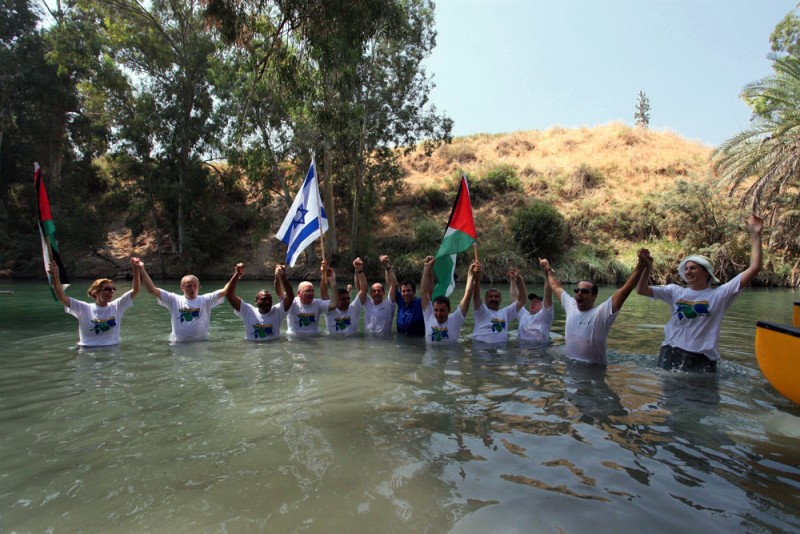
The Jordan River: Water allocation between Israel, Jordan, and Palestine is under strain from drought and population growth. While it was once a major river in the Levante area, the Jordan River today is a trickle of its former glory. Water diplomacy through groups like Friends of the Middle East – good friends to Green Prophet, may not only be averting crises, but is a path to peace and prosperity in the Holy Land.
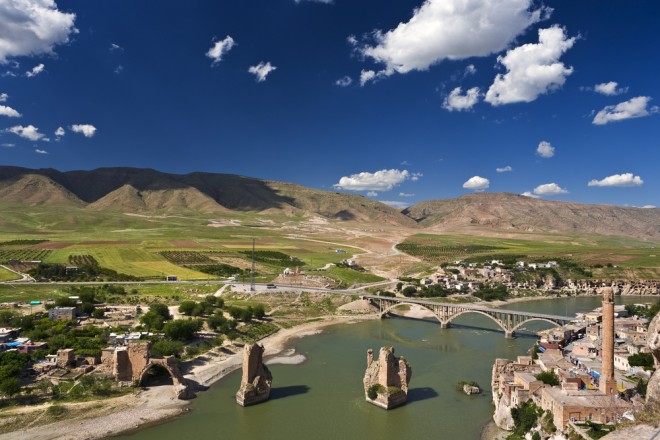
The Tigris-Euphrates: Turkey’s dam projects and climate-driven drought are squeezing flows to Iraq and Syria. Turkey’s ambitious Southeastern Anatolia Project (GAP) includes more than 22 major dams and 19 hydroelectric plants across the Tigris and Euphrates basins, with key structures like the Atatürk and Ilısu dams. These have significantly altered and reduced downstream flows into Syria and Iraq. In Iraq, the Euphrates has seen over a 60% reduction in flow over the past two decades, while the Tigris has also shrunk alarmingly.
Climate Change as a Threat Multiplier
Rising temperatures, unpredictable rainfall, and more frequent droughts amplify existing disputes. Water scarcity can fuel unrest, as seen in Iran’s Khuzestan protests, and can undermine fragile peace deals in post-conflict states like Libya and Yemen.
While water can be a source of conflict—it is veritably a bridge to peace. As scarcity worsens, MENA nations must decide whether to compete for the last drops or collaborate for shared security. The coming years will test their capacity for water diplomacy.