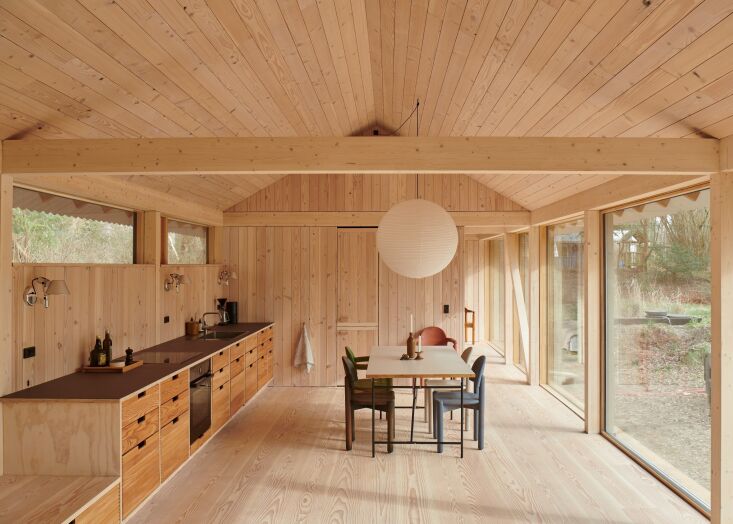
Ready to give up access to electricity? Given the rising costs of conventional utilities, it’s a lifestyle more people are willing to try. Embracing an off-the-grid lifestyle is also driven by a desire to reduce carbon footprints while reducing dependence on utility companies.
But like most aspirations, you need practical tools and implementation to make an off-the-grid lifestyle possible. Knowing what your options are to achieve your goal of greener living helps determine which path you need to take. Rechargeable lighting plays a key role in environmentally sustainable lifestyles. And here are some of the options you can take advantage of.
Battery Power

Yep, batteries don’t need to be connected to an outlet to provide reliable power. While some rechargeable batteries “refuel” by storing electricity, others recharge using renewable energy sources. Solar-powered rechargeable batteries are a good example.
Lighting sources that use rechargeable batteries include an LED flashlight, a generator, and an outdoor solar light fixture. Flashlights are some of the more versatile lighting choices, since these devices offer various sizes and brightness. Brightness capability is also known as lumens. If you need strong lighting, choose a device with a higher lumen output.
But if you want something for everyday use, you might go with the lower end of the lumens range. Plus, flashlights come in smaller sizes, with some even fitting on a keychain or lanyard. Choosing a rechargeable device means you’re reducing the waste and cost associated with frequent battery replacements.
Solar Power

With solar panels, you can generate enough electricity to run the lights and then some in your home. The adoption of solar as a renewable energy source is growing, with installations expected to triple by 2034. Furthermore, solar is projected to be the largest source of energy fueling the U.S. grid by 2050.
But you don’t have to use lights connected to the grid to harness the power of the sun. Cabins can run off solar-powered generators. Lights, from outdoor fixtures to portable lanterns, can also use solar as a fuel source.
You can take lanterns with you, whether you’re hiking or sitting outside on your porch. Outdoor solar-powered fixtures can illuminate the exterior of your property, supporting your safety and security. Solar-powered lights usually don’t require much work, either. These devices are long-lasting without the need for a ton of troubleshooting or maintenance.
Wind-Ups
If you’re not afraid of a little elbow grease, wind-up lights can be a way to embrace a greener lifestyle. These lights are usually portable and run off an internal capacitor or battery. The difference is that these devices have a crank you turn to generate energy.
By winding up the light, your actions create the energy the device needs to emit light. Although wind-up lights reduce dependence on traditional power sources, they won’t necessarily light up a whole room. These devices work best in situations where you need a reading lamp and want to illuminate a smaller space.
Wind-up lights are also sustainable solutions for campsites, RV travel, and other outdoor adventures. They’re typically small enough to pack and take with you on the trails. As long as you’re prepared to be the energy source behind these lights, they can be a viable choice.
Gas Lanterns

Before the grid existed, people used gas lanterns to light the way. Some communities still use traditional gas-powered lanterns, which rely on fuel like kerosene. These lanterns contain a smaller amount of fuel in a base. You switch on the lamp when you need light, burning a bit of the fuel at a time.
Gas lanterns are convenient because they’re also portable. While they do require some maintenance and safety considerations, you can use them at home and off the beaten path. Gas lanterns tend to emit a bright, white flame as long as there’s enough fuel to burn.
Besides kerosene, propane, butane, and natural gas are other fuel options. You can usually find gas lanterns at home improvement stores, sporting goods retailers, and online. Options include the more well-known portable lamps and decorative outdoor fixtures for homes.
Candles
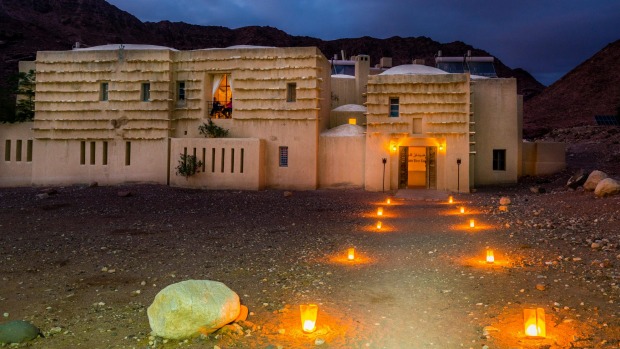
Another traditional source of light that doesn’t require electricity is the candle. You can light them with a match or a lighter if matches aren’t your thing. Like gas lanterns, candles require a few safety considerations.
You may need a base to hold the candle steady. You’ll also want to be mindful of wind, which could cause the flame to spread to nearby objects. It’s also important to extinguish candles before turning in for the night or lying down for a nap.
If kids are in your household, teaching them about fire safety and proper candle use is an additional must. However, there are flameless candle options for those who don’t want to deal with the caveats. These are battery-powered devices that emit a soft glow. You simply turn them on and off as you need to use them.
Living Off the Grid
Supporting a greener lifestyle does mean making conscious choices about what tools and energy sources you use. You still need lighting when natural sunlight isn’t available. Devices that use rechargeable batteries, solar power, human energy, and non-electrical fuel sources can keep your surroundings bright. When you want to live off the grid, know there are sustainable ways within your reach.