

Second generation Seychellois conservation leader speaks candidly about the Qatar deal on Assomption Island, environmental secrecy, and the rising tide of neo-colonialism in the Indian Ocean
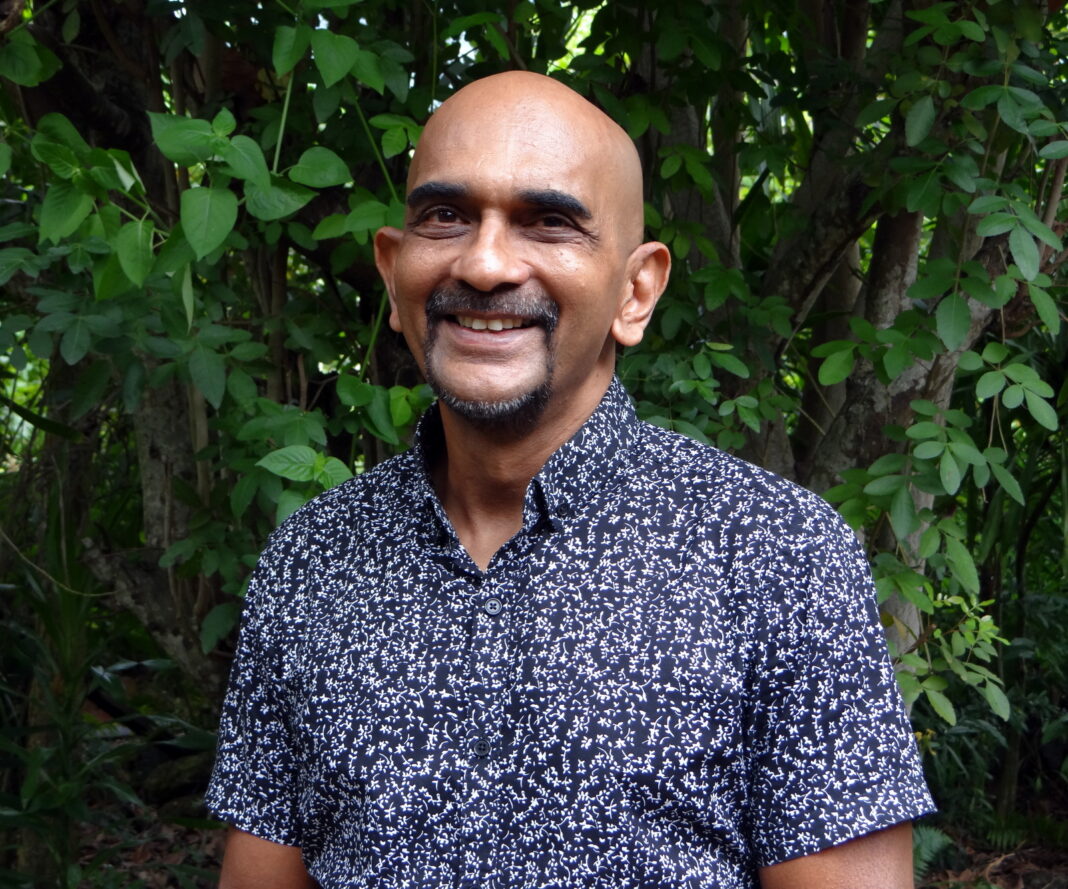
As controversy brews over a Qatari-backed development on Seychelles’ remote Assomption Island, questions are being raised about environmental transparency, geopolitical influence, and the future of conservation. I reached out to Dr. Nirmal Jivan Shah, CEO of Nature Seychelles, for his unfiltered perspective. A second-generation Seychellois conservationist, Shah has led the rescue of endangered birds, worked with luxury hotels on reef restoration, and witnessed firsthand the transformation of his country’s ecological and political landscape.
Nirmal has talked extensively about the problems of managing 155 islands with a small population of 100,000 people. Some of the islands have been isolated for millions of years, but when settlers came 250 years ago they disrupted and devastated ecosystems for hardwood, and to plant coconuts and cinnamon. He is working to restore island ecosystems through his not-for-profit organization.
This interview follows my previous reporting on the topic, including conversations with presidential hopeful Maarco Francis and longtime conservationist Adrian Skerrett.
Karin Kloosterman: You’ve worked with private island owners for decades in Seychelles. How does this current deal on Assomption compare?
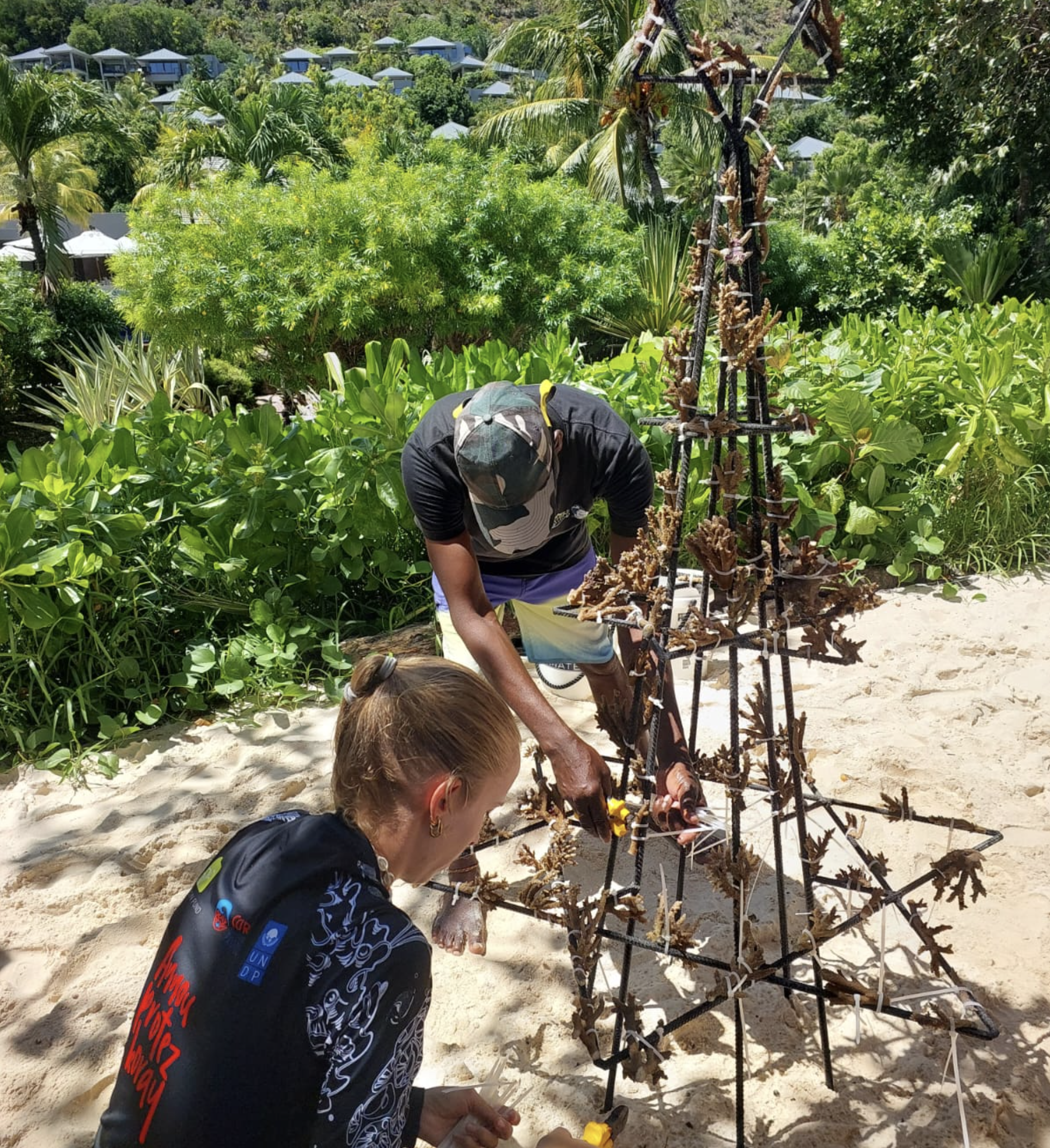
Nirmal Jivan Shah: I’ve led some of the most successful island restoration and endemic bird rescue projects in Africa and Indian Ocean with 5 star properties on private islands in Seychelles over a period of more than 15 years. If it wasn’t the alliance we forged with these private owners, frankly birds that were on the brink of extinction such as the Seychelles Magpie Robin would have vanished by now. We’ve also been working with internationally branded hotels to restore coral reefs around Praslin island.
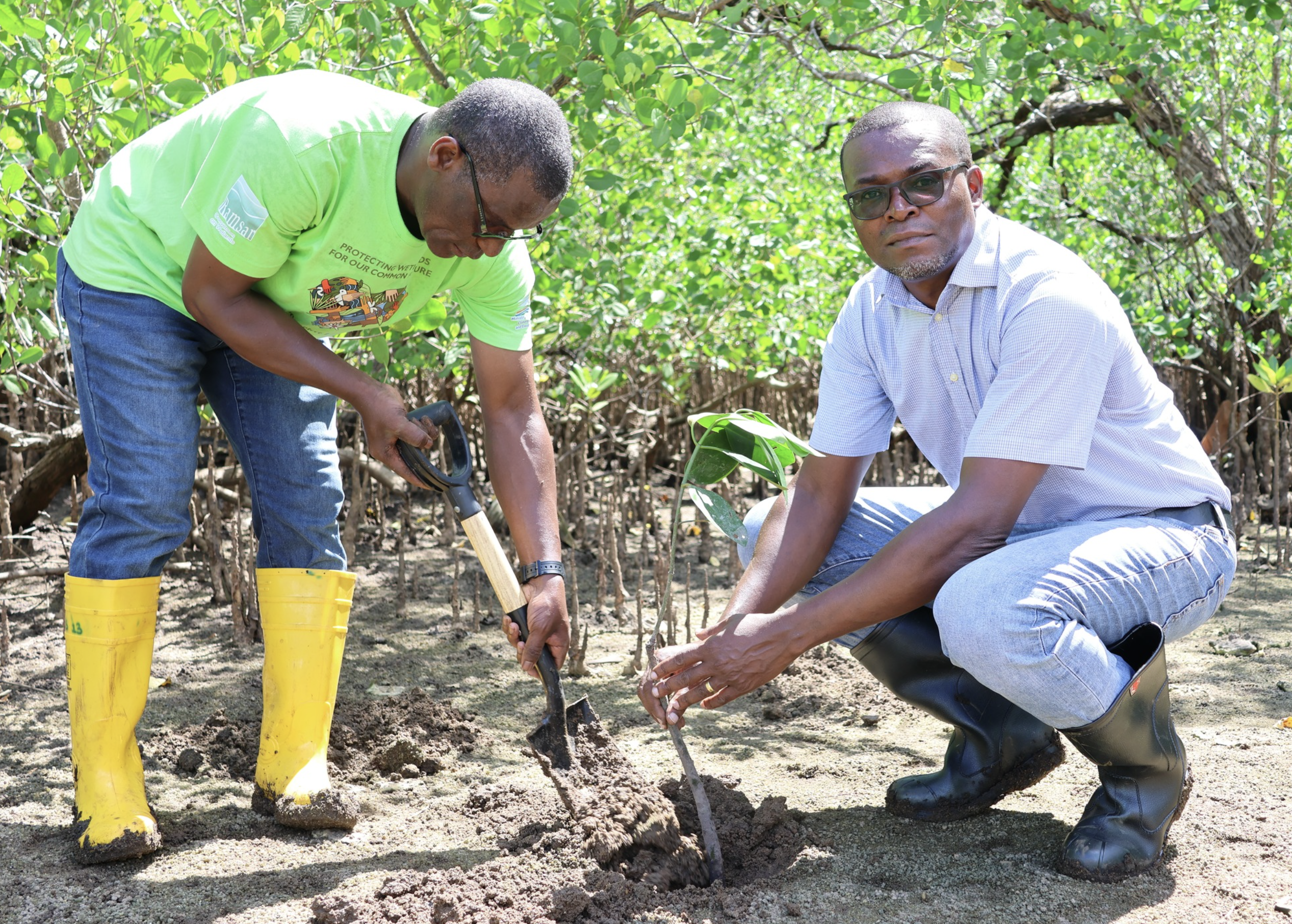
Now we are partnering with 5 star establishments on Mahe island and the Ministry responsible for Environment to restore and co-manage wetlands including mangroves. These are amazing examples of corporate responsibility and private investment in the environment.
However, developments wrapped in mystery and secrecy are not the way to go.
The high drama around the Assumption project would not have happened if there was transparency and independent conservation organisations like Nature Seychelles would have been involved from day one.
I was not comfortable that the NGO Island Conservation Society which works very closely with the Island Development Co, a State Owned Enterprise leading the push for the Assumption project along with its allied company Green Island Construction, undertook the EIA.
I think the ICS should have been the independent, objective party to assess the EIA and monitor the development. As NGOs, I believe we should be watchdogs and honest-brokers.
Karin: Some argue Assomption Island was bound to be developed. Do you agree?
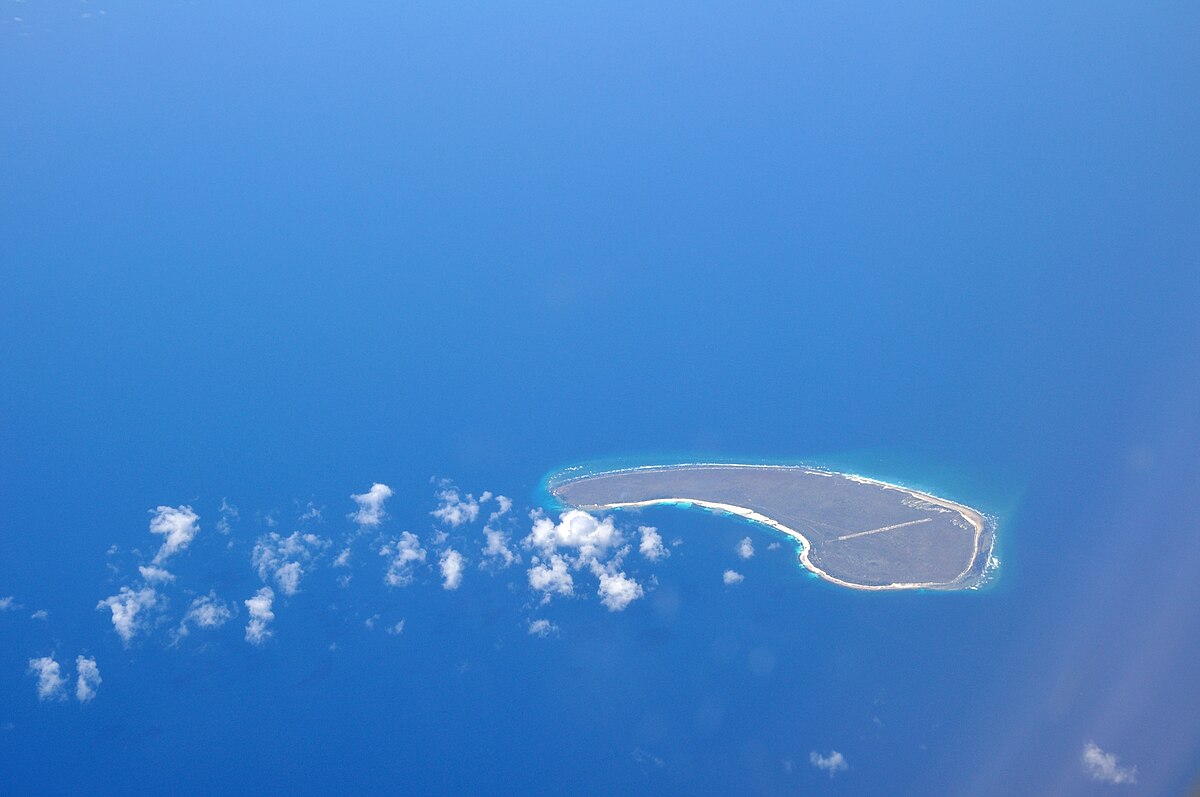
Nirmal: Assumption island itself was ecologically ruined with guano mining during colonial times and development there was inevitable at some point. The sensitivity of it though that is that it is the “gateway” to Aldabra. However, no international conservation organisation had expressed interest in it and the Seychelles Government doesn’t have the resources to maintain and monitor Assumption nor all the other far flung islands of the Seychelles.
Karin: The Seychelles Islands Foundation has raised concerns. Could they help restore oversight?
Nirmal: The Seychelles Islands Foundation (SIF) responsible for Aldabra has said it was inadequately informed and consulted. If the SIF gains responsibility for biosecurity and monitoring over the operations, I would be more comfortable.
Karin: What about the broader trend of development in Seychelles?
Nirmal: In general in Seychelles it is obvious there is now overdevelopment of hotels on Mahe in particular but other islands as well. There has been resistance from environmental activists and members of the public which have been well covered by the local media. I believe that after so many years of quite good planning and environmental controls Seychelles has succumbed to big money development across the board.
Karin: You told me everything was approved through proper government channels?
Nirmal: As I understand it, the project was legally approved, by the Cabinet of Ministers, then an EIA was made and approved, and finally approval by the Planning Authority. This is the crux of the problem.
Karin: Your father, Kantilal Jivan Shah, was a legendary conservationist. What might he think?
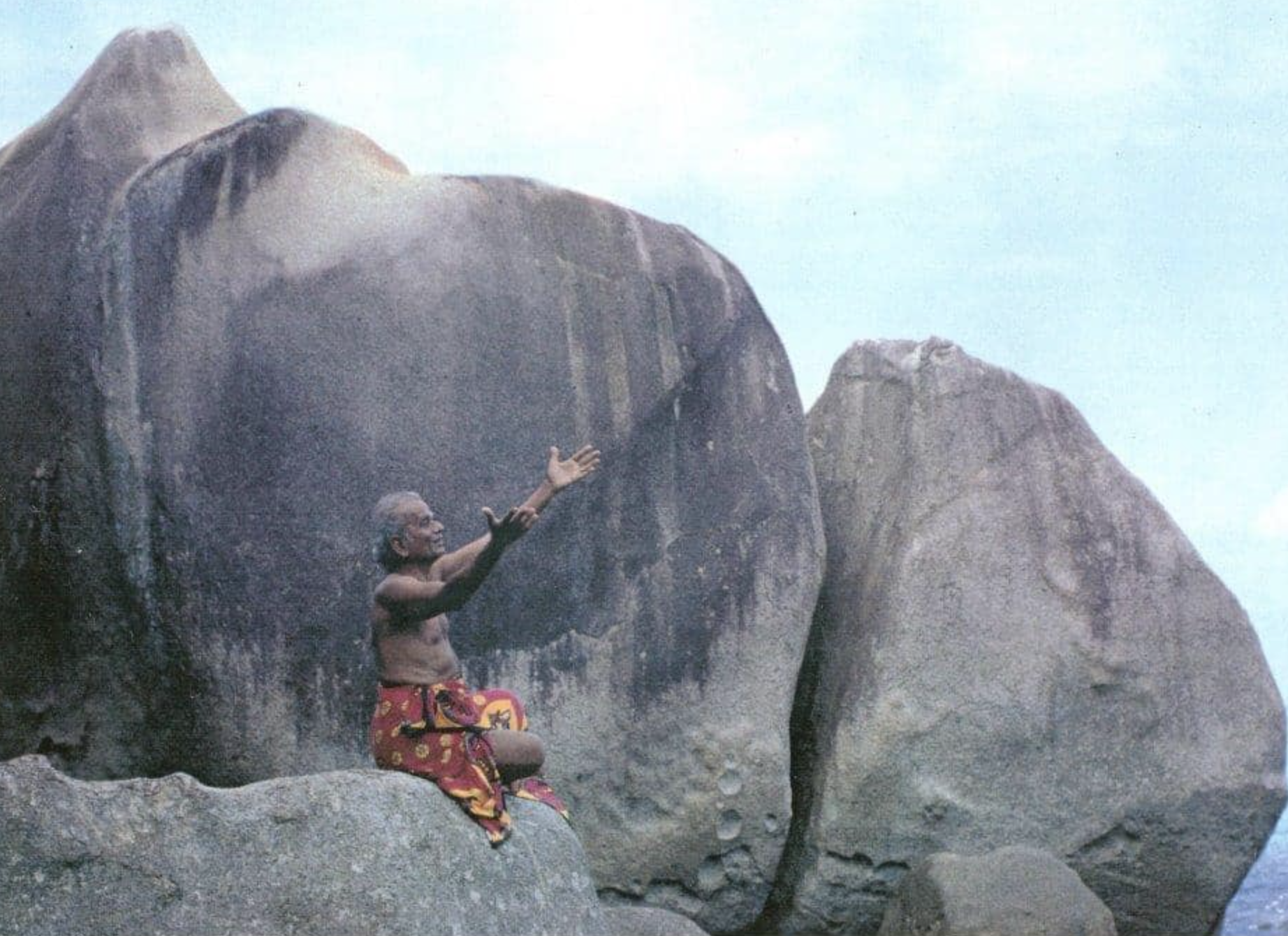
Nirmal: My father was one of a handful of Seychellois who fought to prevent the British from building a naval base on Aldabra, and who was instrumental in getting the owner of Cousin Island to sell it to BirdLife International to save the Seychelles warbler. But I’m not sure what he would think about development on Assomption. His company supplied and bought copra from the outer islands, including as far away as Diego García, so the development of islands was normal to them to run the plantation-based economy.

Karin: You also revealed a surprising connection between Assomption and sand extraction?
Nirmal: Hundreds and hundreds of tonnes of sand have been taken from Assumption where aeolian dunes build up. In modern times this was done to, reportedly, build the beach at Sun City in South Africa, at the International Airport to welcome the Miss World contestants, and now apparently for the FIFA beach soccer competition this year.
Karin: What are your thoughts on the Qatar connection? Some critics say this feels like neo-colonialism.
Nirmal: There are still neo-colonial forces dominating Seychelles. The EU tuna fisheries is an example that I personally have publicly contested. The difference today is that Seychellois are by and large well-off and successful and not slaves being worked to death or impoverished workers with no future. Which is why it’s difficult to get many people worked up about what’s going on in the far-flung outer islands where 95% of the population have never been. My conversations with people also reveal that quite a few Seychellois feel that a tiny country with few resources has to make trade-offs to remain actually viable in a hugely complex and increasingly difficult-to-navigate world.
Karin: You’ve said the country faces income inequality and a drug crisis. Can you elaborate?
Nirmal: It’s not to say that 100% of the population have been able to take advantage of economic opportunities and income inequality is a growing problem (as in all high income countries). As is a huge heroin addiction problem (but that also takes money to buy. Where are they getting the money?) Seychelles is the only High Income country in Africa and reports say it is also in a sort of narco-corridor in the Western Indian Ocean with Madagascar and Mauritius forming a nexus of drug trafficking and corruption.
Karin: Do you believe anyone—such as Maarco Francis or a new president—could reverse the Assomption deal?
Nirmal: My take is it would be difficult to halt it at this point. I’ve been told all the proper steps were taken, as per the laws, as I said before. Cabinet of Ministers approved it, EIA was submitted and approved, Planning Authority approved the plans.
Karin: Thank you, Nirmal, for being so candid. It’s clear the story of Assomption is not just about one island, but about how a nation balances sovereignty, ecology, and power.
For related reading see:
Is UNESCO nature island being bought by terror-linked funds?
Seychelles and the battle with royalty, rats, and the last truly wild places left on Earth