

The United Nations has 17 objectives that paint a more resource-conscious and fair world called the Sustainable Development Goals (SDGs). The sixth mission is to “ensure access to clean water and sanitation for all” by 2030. The turn of the decade will happen before too long, so assessing progress and moments for improvement at this stage is critical. How is SDG 6 going, and what can humanity do to achieve it?
The Wins and Conditions
Years of governmental and humanitarian work have achieved massive wins for the planet since the goal’s inception. Here is how each pillar of this goal has changed between 2015 and 2022.
More Widespread Sanitation and Hygiene Services
Many nations have water availability, but no way to clean it for drinking and basic hygiene needs. It is why enhancing access to already clean water and sanitation technologies must occur simultaneously. Sanitation services rose from 49% to 57%, and hygiene services rose from 67% to 75%.
The positive movement is necessary, but it also needs to happen faster. Current accomplishments have given millions of people better sanitation while informing them of the best steps forward. For example, rural areas saw enhancements while urban regions are unaltered or have reduced water quality.
Increased Access to Drinking Water
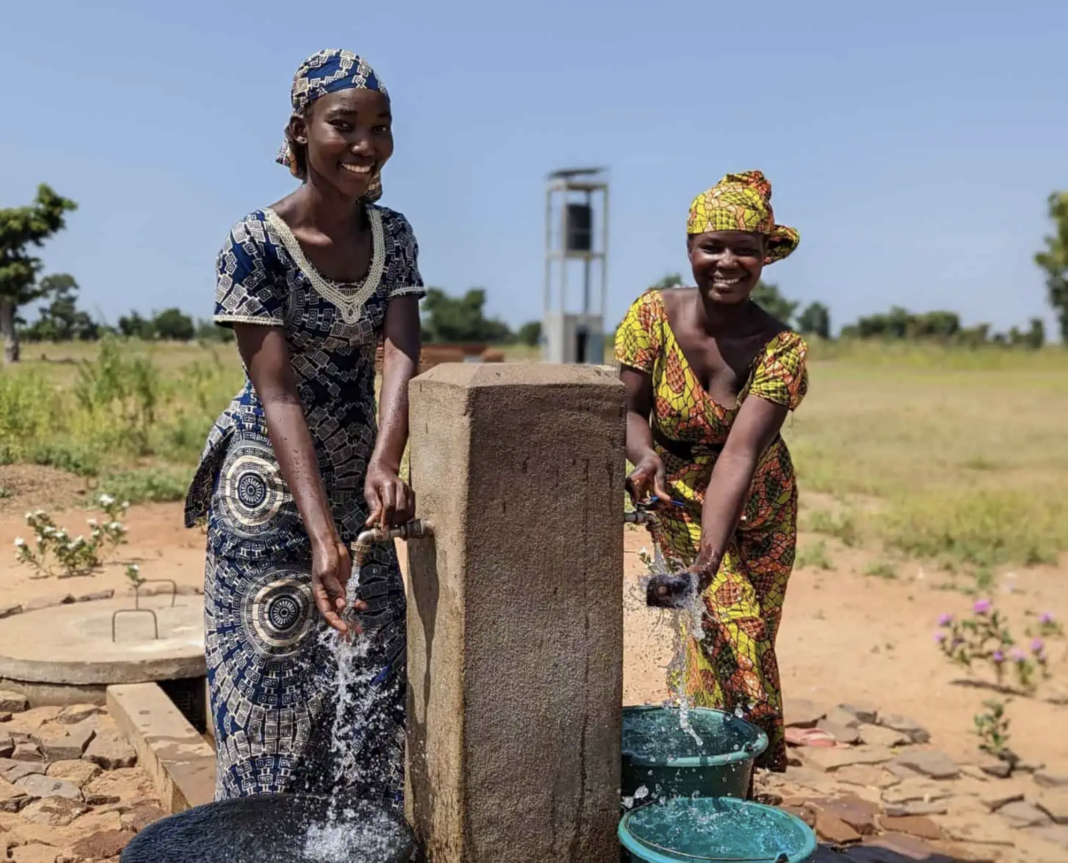
Water scarcity plagues the planet, as the climate crisis causes reserves to run dry and rains to be infrequent. It impacts 785 million people globally but is becoming less common every year.
Dependability is uncertain, so restoring access is essential for an equitable world. In these years, access to safe drinking water rose from 69% to 73%. The positive trend influences the goal because it shows the power of collaboration, but the future needs work to occur six times faster than this rate to meet the target.
Better Water Efficiency
Resource use efficiency is an aspect of this goal because it lowers global water stress levels. It dictates how much freshwater is available versus how many renewable resources can compensate for demand. The worldwide average was at a safe range in 2020 because of optimizations in agriculture and industry. Small adjustments like investing in low-flow fixtures and water recycling technologies make a monumental difference.
However, the progress also shows that the average hides regional differences, as countries in southern Asia and northern Africa see unprecedented levels of water stress.
The Setbacks and Improvement Areas

As valuable as the wins are for giving clean and plentiful water to nations, many are not on track to meet 2030 expectations. Several obstacles hinder progress, and knowing what they are and how they influence SDG 6’s trajectory is crucial for discovering solutions.
Robust advocacy networks to increase urgency for these issues are vital for getting as close as possible. These are the setbacks activists, governments and citizens can work on together.
Decline in Official Development Assistance
Investments are the lifeblood of most infrastructure development and water access expansion. Funding for these projects has slowed between 2015 and 2021, declining from $9.6 to $8.1 billion.
Private and public stakeholder interests have changed everywhere for many reasons, whether geopolitically or socioculturally influenced. Regardless, advocates and legislators must establish programs and convince investors to reach peak commitment.
Integrated Water Resources Management (IWRM) Is Rare
IWRM is a methodology that balances commercial and industrial water use with the needs of the citizens. It ensures there are enough resources to go around while paying attention to the impacts usage has on ecosystems and the future of sustainable development. Implementation rose to 57% in 2023, but the goal is 91% by 2030.
Companies using the most resources can catalyze change by budgeting for more holistic water management systems. Many could wait until it is mandatory through regulatory power, but organizations must act while they wait for more standardization.
Water Quality Is Declining
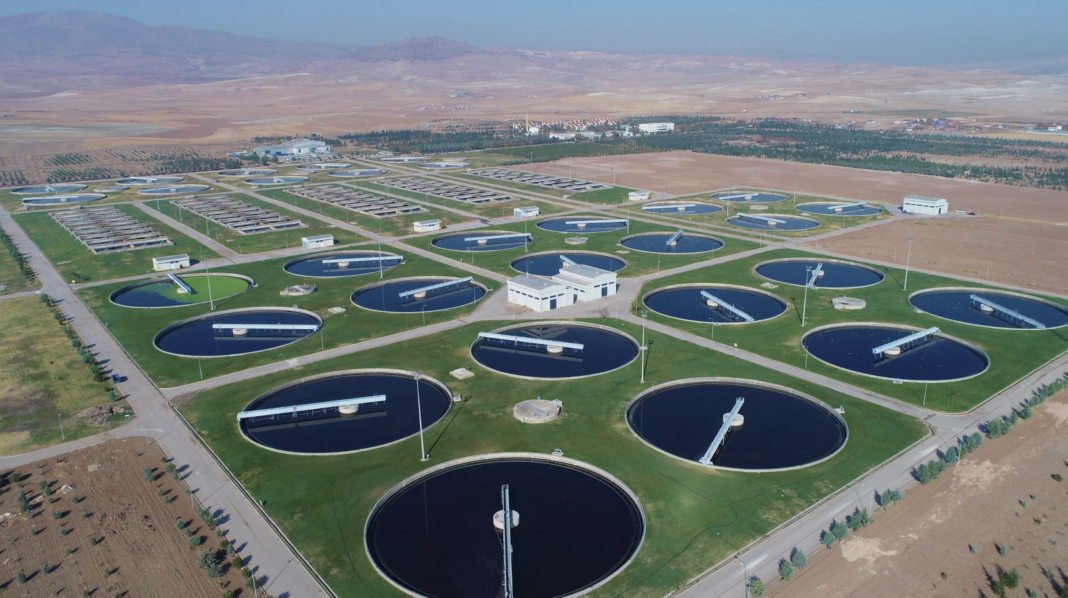
In the U.S., around 40% of its water does not meet the standards of the Clean Water Act, which is the primary framework for regulatory influence. Many of the world’s low-quality reserves demonstrate a greater need for monitoring technologies and even better sanitation density.
The reality should inspire collaborative efforts to share advanced technologies, like the Internet of Things, to let nations collect more data about what impacts their water. Increasing awareness of specific pollutants informs targeted treatment needs.
Adverse Actions Against Water Protections
Many private, public and governmental choices are hurting essential natural water features and resources. They need elevated protections to achieve SDG 6. For example, India has suspended the Indus Waters Treaty, which influences accessibility to people in Pakistan.
Global wetlands are also under threat in many nations, with many in desperate need of restoration and care. Mangroves, marshes and other ecosystems are critical for filtering water while serving as essential carbon sinks. These processes have a lasting impact on neighboring communities and habitats by boosting soil quality. This helps industries like agriculture conserve water, as the soil is better at absorbing it to achieve better growth cycles.
Activities like this must receive opposition from legislators and citizens alike. Otherwise, they will continue to happen. Neglecting water protection is one of the most widespread negative influences on SDG 6, as it culminates in many actions.
Ensuring Water and Sanitation for All
The progress and setbacks bring equal hope to this objective. Every win is a celebration, which sustains momentum until humanity hits its 2030 goal. Simultaneously, each shortcoming will inspire greater action and innovation. Current projections prove progress is slow in 2025, but accelerating efforts and boosting funding for related projects could get it there despite potential barriers.