
7 Startups Redefining Sustainable Consumer Products in 2025

Jak shoes make as slow fashion from Portugal out of apple waste and leather
Jaks shoes make as slow fashion from Portugal out of apple waste and leather

In 2025, sustainability is no longer a luxury or a greenwashed afterthought—it’s a business imperative. Consumers around the world are making purchasing decisions based not just on price or style, but on how products are made, what they’re made of, and what happens after they’re used. Enter a wave of bold startups building circular, ethical, and regenerative models for everyday items—from sneakers and smartphones to menstrual pads and incense sticks.

Here are seven standout startups proving that sustainability and innovation go hand in hand.

1. Akyn (UK) – Redefining Ethical Fashion: Founded by British designer Amy Powney, Akyn is more than a clothing label—it’s a quiet rebellion against fast fashion. Built on the principles of transparency, timelessness, and traceability, Akyn uses organic cotton, regenerative wool, and natural dyes. Every piece is designed to last beyond seasons, with full supply chain traceability back to the farm. As the UK rethinks fashion’s carbon footprint, Akyn leads with substance and style.

Akyn

2. Rothy’s (USA) – Turning Bottles Into Ballet Flats: Based in San Francisco, Rothy’s is famous for transforming recycled plastic bottles into sleek, washable shoes and accessories. With 3D knitting technology that minimizes waste, Rothy’s has repurposed more than 179 million bottles and over 20,000 used shoes to date. Their latest push in 2025? Fully circular retail stores, where worn-out Rothy’s can be dropped off and reincarnated into new designs.
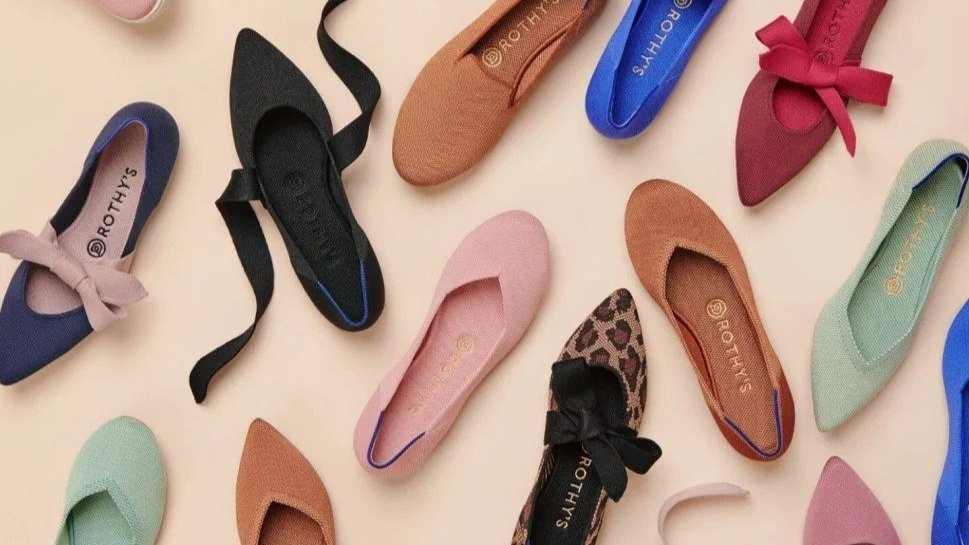
Rothys

3. Fairphone is flipping the script on electronics with a modular smartphone that’s easy to repair, upgrade, and recycle. The Dutch startup sources fair-trade gold, conflict-free tin and tungsten, and recycled plastics. In a world awash in e-waste, Fairphone is leading the “right to repair” movement—and showing big tech how ethical hardware can still turn a profit.

Fairphone

4. LastObject (Denmark) – Saying Goodbye to Single-Use: Copenhagen-based LastObject produces reusable alternatives to everyday personal care items—cotton swabs, tissues, and even makeup pads. Their signature product, LastSwab, replaces 1,000 disposable Q-tips. The brand’s minimalist design and bold messaging have resonated with a new generation of climate-conscious consumers. It’s not just zero waste—it’s zero nonsense.

Last Objects

5. Bamboo India – A Green Toothbrush Revolution. Plastic toothbrushes are one of the most common items found in landfills. And the microplastics get into our bodies when we brush. Pune-based Bamboo India is changing that with biodegradable bamboo toothbrushes, earbuds, and eco-gift items. What started as a small social initiative has become a household name across India, with a rapidly expanding global presence. Their mission: eliminate single-use plastic from your morning routine.

Bamboo India

6. Nirmalaya (India) – From Temple Waste to Sacred Scents. Every day, Indian temples generate tons of floral waste. Nirmalaya saw an opportunity in the problem—transforming discarded flowers into incense sticks, essential oils, and organic colors. Based in Delhi, the startup combines tradition with innovation, tackling waste while preserving the spiritual significance of its raw materials. It’s an elegant fusion of circular design and cultural reverence.
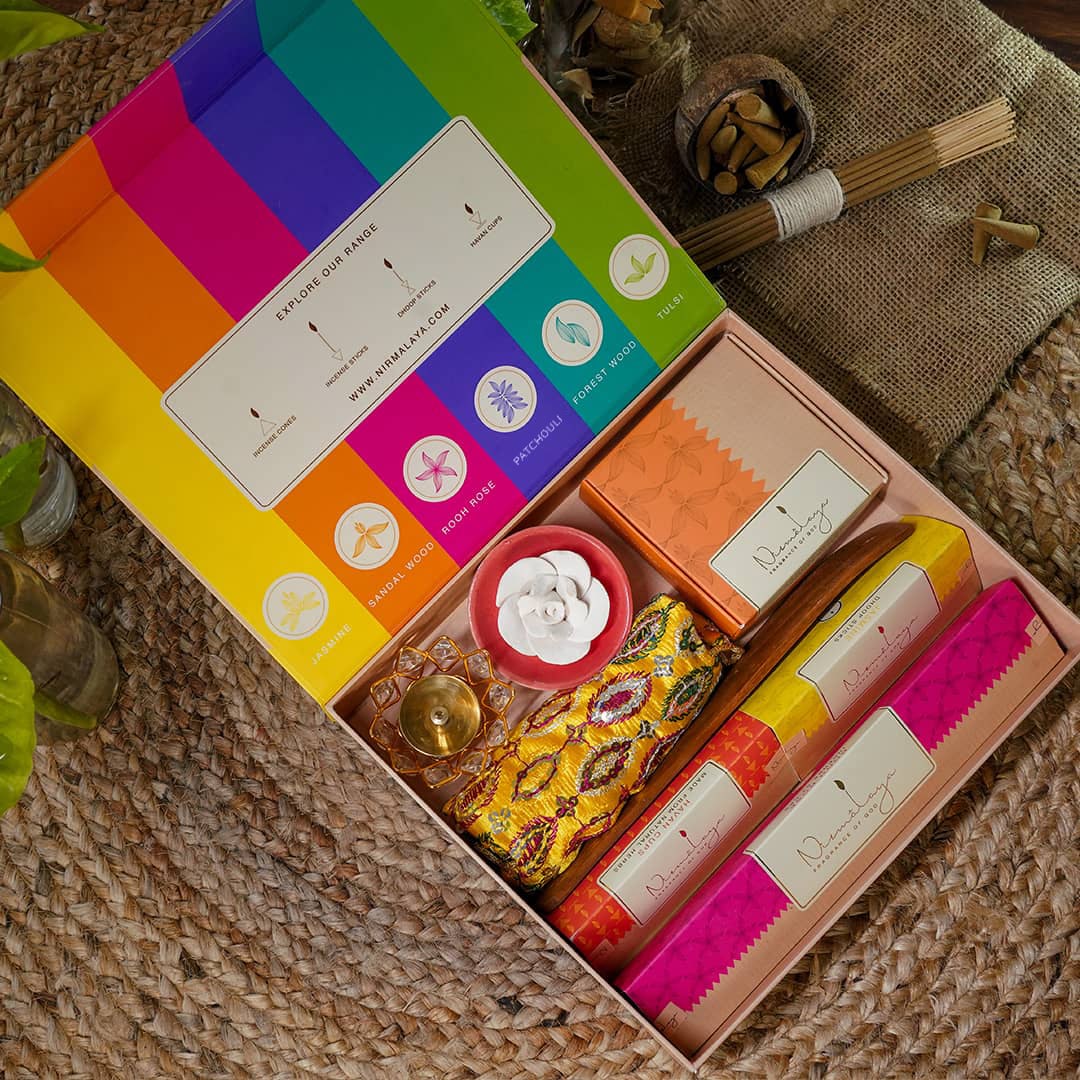
Nirmalaya
Nirmalaya

7. Eco Femme (India) – Menstrual Health Meets Social Impact: In Tamil Nadu, Eco Femme is producing washable, organic cotton menstrual pads and distributing them through education-focused programs across rural India. This women-led social enterprise is helping reduce the mountains of plastic waste created by disposable pads—while empowering women and girls with dignity and information. Their pads have reached thousands, but their model is reaching minds.
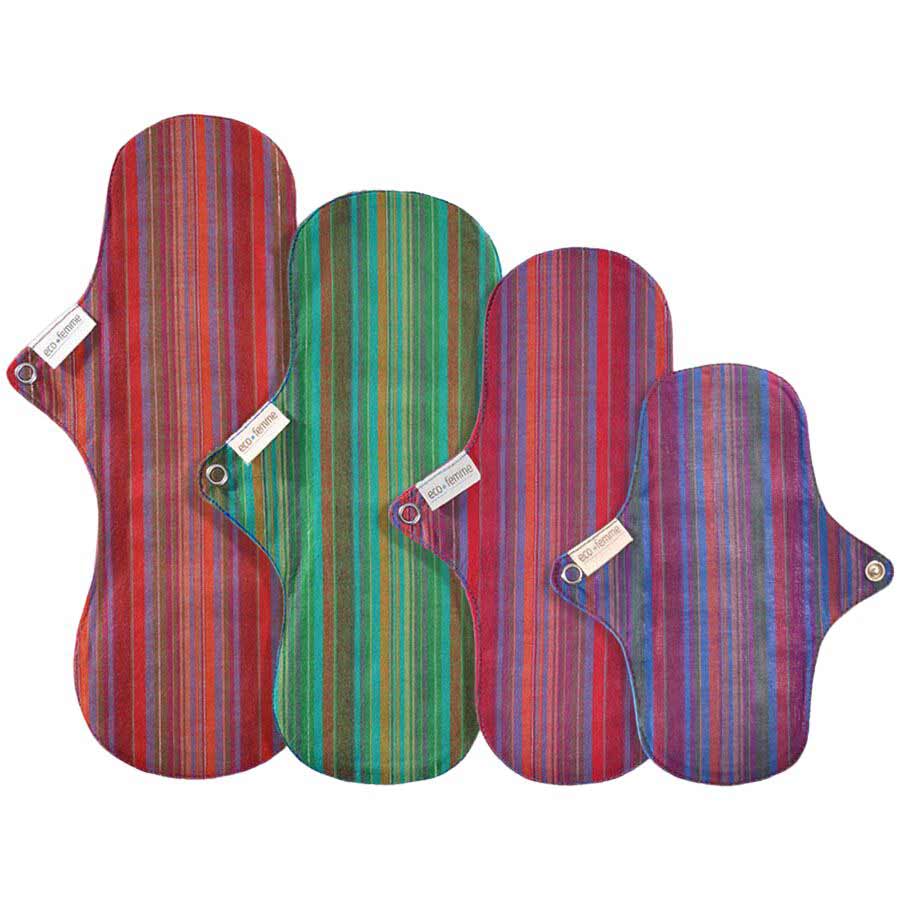
Eco Femme

These startups aren’t just selling products—they’re selling a new way to live. Each is proof that consumer goods can be high-quality, beautiful, and regenerative at the same time. From fashion and tech to wellness and waste, they’re building a future where sustainability isn’t a niche—it’s the norm. Now all of these are global products. Take an idea from this list and make it local.


 

LEAVE A REPLY

Please enter your comment!
Please enter your name here

TRENDING

Levis is teaching Gen Z how to repair their clothes –– download all the teacher guides here

Somewhere between TikTok hauls and next-day delivery, we forgot how to fix things. We forgot how to cook without an app and a pre-made box, grow food without a kit, and sew a button back onto a shirt without throwing the whole garment away. Clothing, once stitched with intention (my mother made her ow dresses!), has become disposable. And with it, a quiet loss of skill, patience, and care.

What can you do with orange peels in the kitchen

Winter is citrus season, and the markets are full of golden oranges. Don’t even try to resist them. What could be more heavenly than the sweetness of a good orange? As juice, in salads, cooked with chicken or fish, or eaten out of hand, oranges are delicious, and provide a good hit of vitamin C as well.

This furniture isn’t built, it grows from mushrooms

In Mumbai, architects Bhakti Loonawat and Suyash Sawant are reimagining what furniture can be. Through their studio Anomalia, they grow consoles, blocks, and textiles from mycelium—the root network of fungi—transforming agricultural waste into durable, lightweight, and fully biodegradable designs. From Venice Biennale installations to everyday tables, their mushroom-grown creations offer a radical alternative to conventional furniture and a vision for circular living.

Hemp Textiles Pave the Way for a Regenerative Economy 

We have the opportunity at Anact, as a nimble and emerging brand, to set the standard for how things should be. This is the beauty of being a start-up in an industry that has great potential to impact sustainability with hemp and regenerative practices. We are creating an ecosystem that is value-added for farmers, employees, customers, banks, and more, which will only be made possible with capital investment and supportive policy. 

She turns Jordan’s onions and olives into fashion

An architectural engineer by training, Al-Rashdan began experimenting with plant-based textiles in 2015. She learned to transform food waste—like beetroot skins, olive pulp, and onion peels—into biodegradable materials. Some are fed into a 3D printer to make handbags, coins, and jewelry; others are spun into fabrics for high-fashion dresses.

Qatar’s climate hypocrisy rides the London Underground

Qatar remains a master of doublethink—burning gas by the megaton while selling “sustainability” to a world desperate for clean air. Wake up from your slumber people.

How Quality of Hire Shapes Modern Recruitment

A 2024 survey by Deloitte found that 76% of talent leaders now consider long-term retention and workforce contribution among their most important hiring success metrics—far surpassing time-to-fill or cost-per-hire. As the expectations for new hires deepen, companies must also confront the inherent challenges in redefining and accurately measuring hiring quality.

8 Team-Building Exercises to Start the Week Off 

Team building to change the world! The best renewable energy companies are ones that function.

Thank you, LinkedIn — and what your Jobs on the Rise report means for sustainable careers

While “green jobs” aren’t always labeled as such, many of the fastest-growing roles are directly enabling the energy transition, climate resilience, and lower-carbon systems: Number one on their list is Artificial Intelligence engineers. But what does that mean? Vibe coding Claude? 

Somali pirates steal oil tankers

The pirates often stage their heists out of Somalia, a lawless country, with a weak central government that is grappling with a violent Islamist insurgency. Using speedboats that swarm the targets, the machine-gun-toting pirates take control of merchant ships and then hold the vessels, crew and cargo for ransom.

Leopoldo Alejandro Betancourt López Turned Ocean Plastic Into Profitable Sunglasses

Few fashion accessories carry the environmental burden of sunglasses. Most frames are constructed from petroleum-based plastics and acrylic polymers that linger in landfills for centuries, shedding microplastics into soil and waterways long after they've been discarded. Leopoldo Alejandro Betancourt López, president of the Spanish eyewear brand Hawkers, saw this problem differently than most industry executives.

Why Dr. Tony Jacob Sees Texas Business Egos as Warning Signs

Everything's bigger in Texas. Except business egos.  Dr. Tony Jacob figured...

Israel and America Sign Renewable Energy Cooperation Deal

Other announcements made at the conference include the Timna Renewable Energy Park, which will be a center for R&D, and the AORA Solar Thermal Module at Kibbutz Samar, the world's first commercial hybrid solar gas-turbine power plant that is already nearing completion. Solel Solar Systems announced it was beginning construction of a 50 MW solar field in Lebrija, Spain, and Brightsource Energy made a pre-conference announcement that it had inked the world's largest solar deal to date with Southern California Edison (SCE).

Related Articles

Popular Categories