Carbon Capture in 2025: Technologies, Markets, and Investment Trends

Carbon capture, utilization, and storage (CCUS) has entered a phase of rapid scale-up in 2025. Driven by national emissions targets, investor pressure, and the emergence of structured carbon markets, this sector is moving from pilot projects into industrial deployment. Global CO2 capture capacity now exceeds 50 million tonnes annually, and it’s expected to triple by 2030. Investment is accelerating in membrane separation, modular capture units, direct air capture (DAC), and nature-integrated CO2 recovery systems. This article presents a detailed snapshot of the 2025 carbon capture landscape, key companies and technologies, and where the carbon credit market is heading. Global Technology Leaders and Market Movers Evonik is scaling its SEPURAN® polymer membranes for CO2 separation in biogas upgrading and industrial emissions. Their focus on decentralized, energy-efficient modules makes them well-suited to sectors like chemicals and food processing. Air Liquide continues deploying Cryocap™ cryogenic carbon capture at hydrogen and ammonia facilities. In 2025, the company expanded CCUS clusters in Europe and the Middle East to support industrial decarbonization at scale. Air Products is delivering some of the world’s largest hydrogen production projects with integrated CO2 capture. Its blue hydrogen project in Louisiana captures more than 5 million tonnes of CO2 annually, using proprietary reforming and capture technologies. UBE Corporation is developing polyimide-based membrane systems for post-combustion capture, with pilot projects in Japanese utilities and Southeast Asian petrochemical plants. Linde Engineering licenses its RECTISOL® and amine-based technologies for syngas and natural gas CO2 removal. In 2025, Linde delivered several modular capture units to decarbonize refineries and hydrogen valleys across Europe. Grasys specializes in membrane and pressure swing adsorption (PSA) systems used widely in Eastern Europe and Central Asia. The company’s gas purification units are increasingly being adapted for landfill gas and industrial CO2 separation. Airrane, a Korean membrane manufacturer, is expanding hollow fiber technologies for nitrogen and CO2 separation. Their systems are being adopted across Korea’s chemicals and energy sectors. Generon IGS offers skid-mounted, plug-and-play CO2 capture units suited to oil & gas and industrial clients in North America. Their membrane and PSA systems are increasingly used for enhanced oil recovery and low-volume emitters. DMT International delivers turnkey biogas upgrading systems with integrated CO2 recovery. They are now expanding operations into Southeast Asia, targeting landfill and wastewater treatment opportunities. Membrane Technology & Research (MTR) is piloting “CaptureX” membrane systems on gas-fired and coal plants with support from the U.S. Department of Energy. MTR’s polymer technologies offer reduced energy penalties and simpler installation. Fujifilm is innovating in membrane and sorbent materials for CO2 separation under high-temperature and corrosive environments. Their collaboration with academic labs is helping to refine long-life membranes for industrial settings. Toray is commercializing advanced hollow fiber modules for carbon and nitrogen separation. Their CO2 capture products are being piloted in water treatment and desalination plants to lower embedded emissions. BORSIG is bringing high-efficiency amine systems to market with integrated energy recovery. Their focus is on upgrading legacy power plants and industrial boilers across Germany and Central Europe. SLB (formerly Schlumberger) is repositioning itself as a carbon management leader. Its CENOS™ line of capture technologies now includes solvent, membrane, and storage integration. SLB has over a dozen active CCUS projects across oil, steel, and cement in 2025. Sumitomo Chemical is commercializing advanced hybrid sorbents for municipal solid waste and waste-to-energy facilities. Their systems blend chemical absorption with physical separation for higher capture efficiency. Honeywell continues to expand its UOP Separex™ membrane and Ecofining™ capture systems. In 2025, it launched a carbon capture-as-a-service platform targeting mid-sized industrial firms with bundled hardware, monitoring, and credit integration. Carbon Markets and Access to Carbon Credits The voluntary carbon market is consolidating around more rigorous methodologies. Projects using CCUS are now eligible for carbon credits under frameworks from Verra, Gold Standard, and the Puro.earth platform. Credits from bioenergy with CCS (BECCS) and DAC are in increasing demand, especially by corporations pursuing science-based targets. Marketplaces like Patch and Nori allow businesses and individuals to purchase verified CO2 removals, with real-time tracking and blockchain-based auditing. Direct air capture projects from firms like Climeworks and Carbon Engineering remain high-cost (above $600/tonne), but prices are expected to fall by more than half as modularity and renewable integration improve. Outlook: Innovation Needs and Investment Trends Significant gaps remain in capture cost reduction, especially for low-concentration flue gases and DAC. Key areas of innovation include: Low-energy solid sorbents and hybrid systems Waste heat integration and process intensification Durable membranes resistant to contaminants Long-term, verifiable CO2 storage options Governments are supporting deployment with instruments such as the U.S. 45Q tax credit, the EU Innovation Fund, and the UK’s CCUS cluster support. The IEA, Global CCS Institute, and ARPA-E continue to back R&D in electrochemical capture, DAC, and value-chain integration. By 2028, the global CCUS market is projected to surpass $14 billion. Companies able to deliver scalable technology and tie it directly to revenue from high-integrity carbon credits are best positioned to benefit from the next wave of climate finance and regulation.
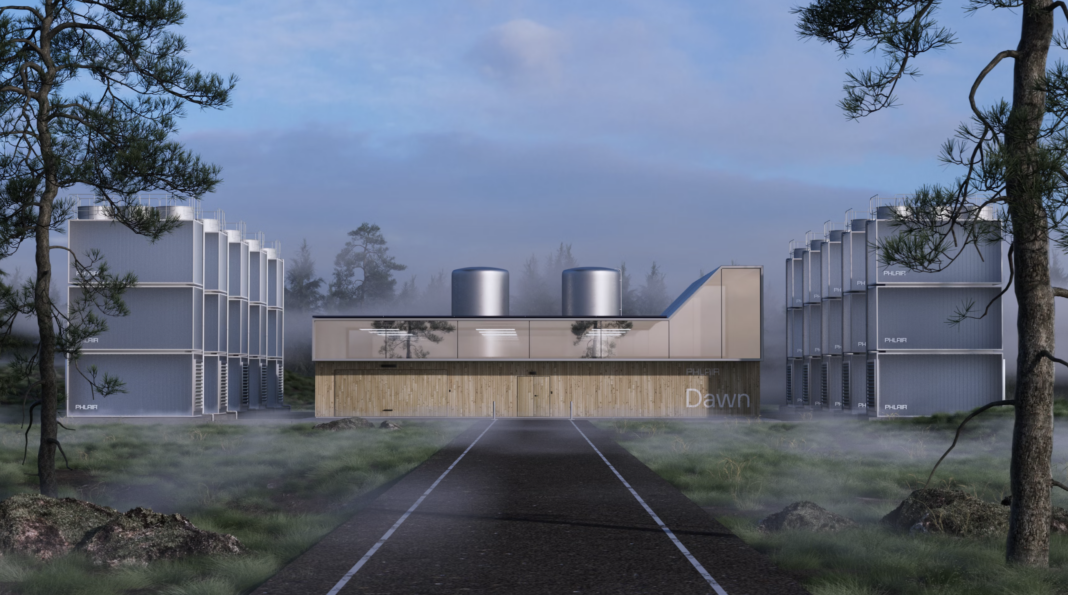
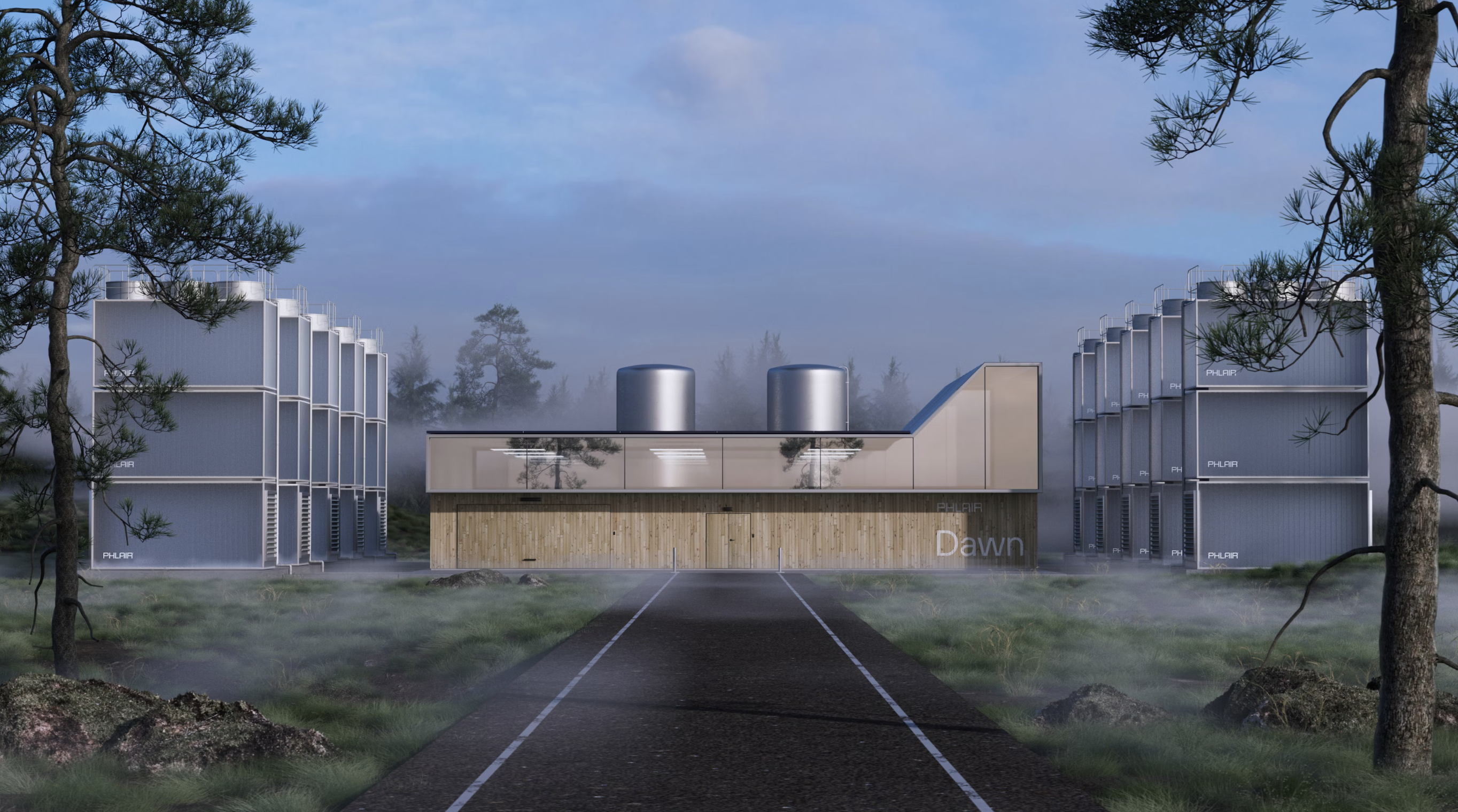
PHLAIR project Dawn Commercial Direct Air Capture facility Providing >20,000 tCO2/year Alberta, Canada

Carbon capture, utilization, and storage (CCUS) has entered a phase of rapid scale-up in 2025. Driven by national emissions targets, investor pressure, and the emergence of structured carbon markets, this sector is moving from pilot projects into industrial deployment. Global CO2 capture capacity now exceeds 50 million tonnes annually, and it’s expected to triple by 2030. Investment is accelerating in membrane separation, modular capture units, direct air capture (DAC), and nature-integrated CO2 recovery systems.

This article presents a detailed snapshot of the 2025 carbon capture landscape, key companies and technologies, and where the carbon credit market is heading.

Global Technology Leaders and Market Movers

Evonik is scaling its SEPURAN® polymer membranes for CO2 separation in biogas upgrading and industrial emissions. Their focus on decentralized, energy-efficient modules makes them well-suited to sectors like chemicals and food processing.

Air Liquide continues deploying Cryocap™ cryogenic carbon capture at hydrogen and ammonia facilities. In 2025, the company expanded CCUS clusters in Europe and the Middle East to support industrial decarbonization at scale.

Air Products is delivering some of the world’s largest hydrogen production projects with integrated CO2 capture. Its blue hydrogen project in Louisiana captures more than 5 million tonnes of CO2 annually, using proprietary reforming and capture technologies.

UBE Corporation is developing polyimide-based membrane systems for post-combustion capture, with pilot projects in Japanese utilities and Southeast Asian petrochemical plants.

Linde Engineering licenses its RECTISOL® and amine-based technologies for syngas and natural gas CO2 removal. In 2025, Linde delivered several modular capture units to decarbonize refineries and hydrogen valleys across Europe.

Grasys specializes in membrane and pressure swing adsorption (PSA) systems used widely in Eastern Europe and Central Asia. The company’s gas purification units are increasingly being adapted for landfill gas and industrial CO2 separation.

Airrane, a Korean membrane manufacturer, is expanding hollow fiber technologies for nitrogen and CO2 separation. Their systems are being adopted across Korea’s chemicals and energy sectors.

Generon IGS offers skid-mounted, plug-and-play CO2 capture units suited to oil & gas and industrial clients in North America. Their membrane and PSA systems are increasingly used for enhanced oil recovery and low-volume emitters.

DMT International delivers turnkey biogas upgrading systems with integrated CO2 recovery. They are now expanding operations into Southeast Asia, targeting landfill and wastewater treatment opportunities.

Membrane Technology & Research (MTR) is piloting “CaptureX” membrane systems on gas-fired and coal plants with support from the U.S. Department of Energy. MTR’s polymer technologies offer reduced energy penalties and simpler installation.

Fujifilm is innovating in membrane and sorbent materials for CO2 separation under high-temperature and corrosive environments. Their collaboration with academic labs is helping to refine long-life membranes for industrial settings.

Toray is commercializing advanced hollow fiber modules for carbon and nitrogen separation. Their CO2 capture products are being piloted in water treatment and desalination plants to lower embedded emissions.

BORSIG is bringing high-efficiency amine systems to market with integrated energy recovery. Their focus is on upgrading legacy power plants and industrial boilers across Germany and Central Europe.

SLB (formerly Schlumberger) is repositioning itself as a carbon management leader. Its CENOS™ line of capture technologies now includes solvent, membrane, and storage integration. SLB has over a dozen active CCUS projects across oil, steel, and cement in 2025.

Sumitomo Chemical is commercializing advanced hybrid sorbents for municipal solid waste and waste-to-energy facilities. Their systems blend chemical absorption with physical separation for higher capture efficiency.

Honeywell continues to expand its UOP Separex™ membrane and Ecofining™ capture systems. In 2025, it launched a carbon capture-as-a-service platform targeting mid-sized industrial firms with bundled hardware, monitoring, and credit integration.

Carbon Markets and Access to Carbon Credits

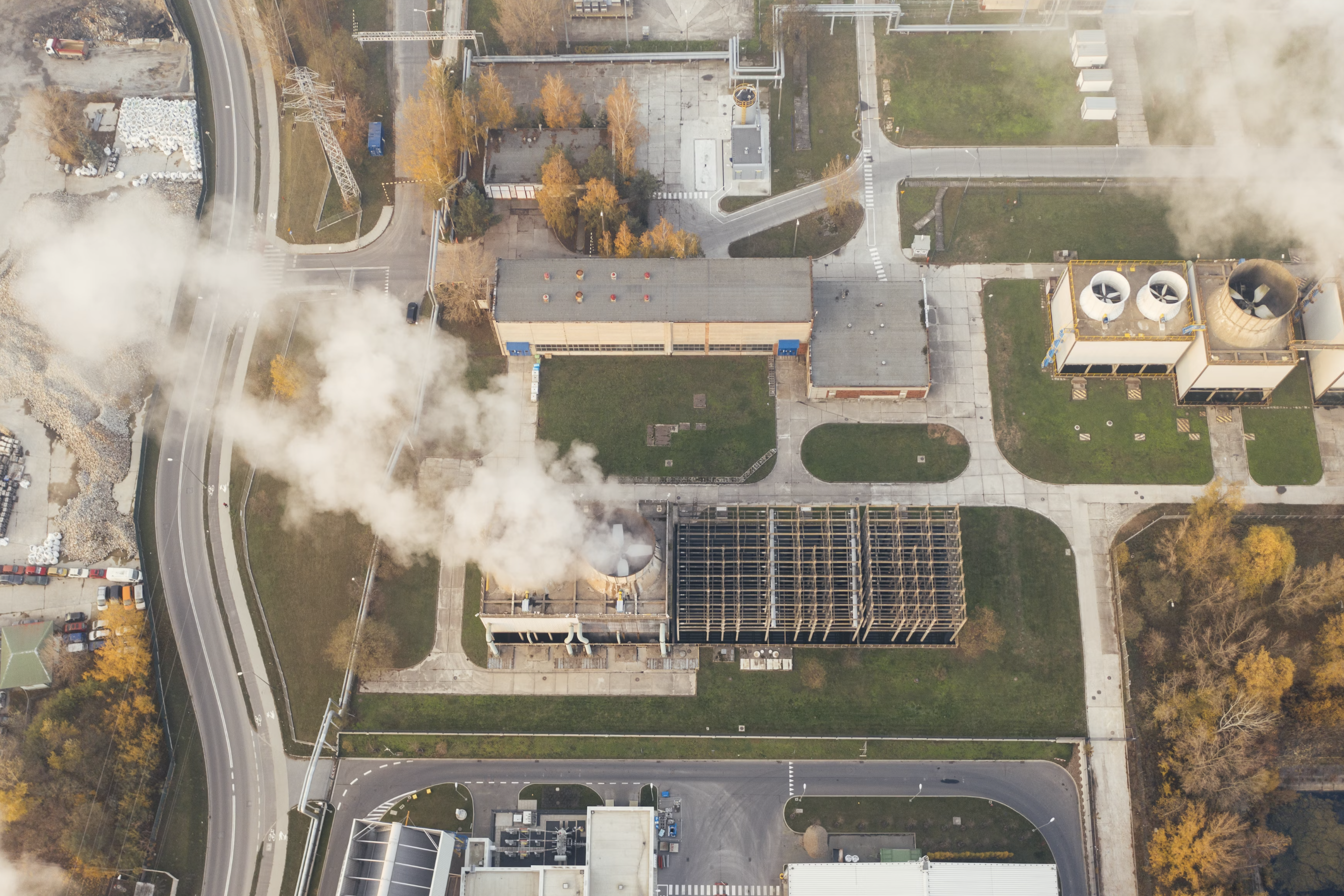
Carbon capture poland

The voluntary carbon market is consolidating around more rigorous methodologies. Projects using CCUS are now eligible for carbon credits under frameworks from Verra, Gold Standard, and the Puro.earth platform.

Credits from bioenergy with CCS (BECCS) and DAC are in increasing demand, especially by corporations pursuing science-based targets. Marketplaces like Patch and Nori allow businesses and individuals to purchase verified CO2 removals, with real-time tracking and blockchain-based auditing.

Direct air capture projects from firms like Climeworks and Carbon Engineering remain high-cost (above $600/tonne), but prices are expected to fall by more than half as modularity and renewable integration improve.

Outlook: Innovation Needs and Investment Trends

Significant gaps remain in capture cost reduction, especially for low-concentration flue gases and DAC. Key areas of innovation include:

  • Low-energy solid sorbents and hybrid systems

  • Waste heat integration and process intensification

  • Durable membranes resistant to contaminants

  • Long-term, verifiable CO2 storage options

Governments are supporting deployment with instruments such as the U.S. 45Q tax credit, the EU Innovation Fund, and the UK’s CCUS cluster support. The IEA, Global CCS Institute, and ARPA-E continue to back R&D in electrochemical capture, DAC, and value-chain integration.

By 2028, the global CCUS market is projected to surpass $14 billion. Companies able to deliver scalable technology and tie it directly to revenue from high-integrity carbon credits are best positioned to benefit from the next wave of climate finance and regulation.

Carbon capture technologies are accelerating in 2025, reshaping how industries and investors tackle emissions across the globe.

Read more on Green Prophet:

LEAVE A REPLY

Please enter your comment!
Please enter your name here

TRENDING

Why Health Systems Are Reaching a Turning Point

Health emerges from a continuous energy and material flow from water through food to human physiology. Technical energy systems support this cycle through water treatment, agriculture, and infrastructure.

Leading Through a Dual-Energy Transition: Balancing Decarbonisation with Energy Security

Experience in one area of the energy industry isn't enough to guarantee readiness across all the others. That's where a structured program like an MBA in energy can come in. Today's advanced curricula explore energy economics, finance, policy, and strategic management alongside the technical subjects. And when pursuing an energy MBA online, professionals can skill up and retrain without having to step out of the labor market -- an important perk at a time when skilled professionals are already in short supply.

From Green Energy to Healthy Societies: Why old systems thinking is becoming relevant again

Across the Middle East and North Africa, large investments are being made in green hydrogen, renewable energy, water infrastructure and sustainability. Most of these efforts are discussed in the context of climate change, decarbonization and economic diversification. That framing is important, but it may not capture their full value.

Can biochar reduce ‘Forever Chemicals’ in food if it’s used in farms?

Biochar is produced by heating organic material in a low-oxygen environment so it does not burn. This process, known as pyrolysis, transforms plant matter into a stable, carbon-rich material.

What is the Jewish Climate Trust?

Jewish Climate Trust has quickly attracted the attention and support of some of the most influential voices in Jewish philanthropy, drawing backing from prominent family foundations and business leaders connected to the Bronfman and Schusterman philanthropic networks, alongside climate-focused investors and community builders aligned with founding leader Nigel Savage. Together, these donors have committed many millions of dollars to build a serious, long-term climate platform for the Jewish world — not as a symbolic gesture, but as a strategic intervention in one of the defining challenges of this generation.

Qatar’s climate hypocrisy rides the London Underground

Qatar remains a master of doublethink—burning gas by the megaton while selling “sustainability” to a world desperate for clean air. Wake up from your slumber people.

How Quality of Hire Shapes Modern Recruitment

A 2024 survey by Deloitte found that 76% of talent leaders now consider long-term retention and workforce contribution among their most important hiring success metrics—far surpassing time-to-fill or cost-per-hire. As the expectations for new hires deepen, companies must also confront the inherent challenges in redefining and accurately measuring hiring quality.

8 Team-Building Exercises to Start the Week Off 

Team building to change the world! The best renewable energy companies are ones that function.

Thank you, LinkedIn — and what your Jobs on the Rise report means for sustainable careers

While “green jobs” aren’t always labeled as such, many of the fastest-growing roles are directly enabling the energy transition, climate resilience, and lower-carbon systems: Number one on their list is Artificial Intelligence engineers. But what does that mean? Vibe coding Claude? 

Somali pirates steal oil tankers

The pirates often stage their heists out of Somalia, a lawless country, with a weak central government that is grappling with a violent Islamist insurgency. Using speedboats that swarm the targets, the machine-gun-toting pirates take control of merchant ships and then hold the vessels, crew and cargo for ransom.

Leopoldo Alejandro Betancourt López Turned Ocean Plastic Into Profitable Sunglasses

Few fashion accessories carry the environmental burden of sunglasses. Most frames are constructed from petroleum-based plastics and acrylic polymers that linger in landfills for centuries, shedding microplastics into soil and waterways long after they've been discarded. Leopoldo Alejandro Betancourt López, president of the Spanish eyewear brand Hawkers, saw this problem differently than most industry executives.

Why Dr. Tony Jacob Sees Texas Business Egos as Warning Signs

Everything's bigger in Texas. Except business egos.  Dr. Tony Jacob figured...

Israel and America Sign Renewable Energy Cooperation Deal

Other announcements made at the conference include the Timna Renewable Energy Park, which will be a center for R&D, and the AORA Solar Thermal Module at Kibbutz Samar, the world's first commercial hybrid solar gas-turbine power plant that is already nearing completion. Solel Solar Systems announced it was beginning construction of a 50 MW solar field in Lebrija, Spain, and Brightsource Energy made a pre-conference announcement that it had inked the world's largest solar deal to date with Southern California Edison (SCE).

Related Articles

Popular Categories