
Selling your Tesla for a conventional car? Think of the silent pollutant

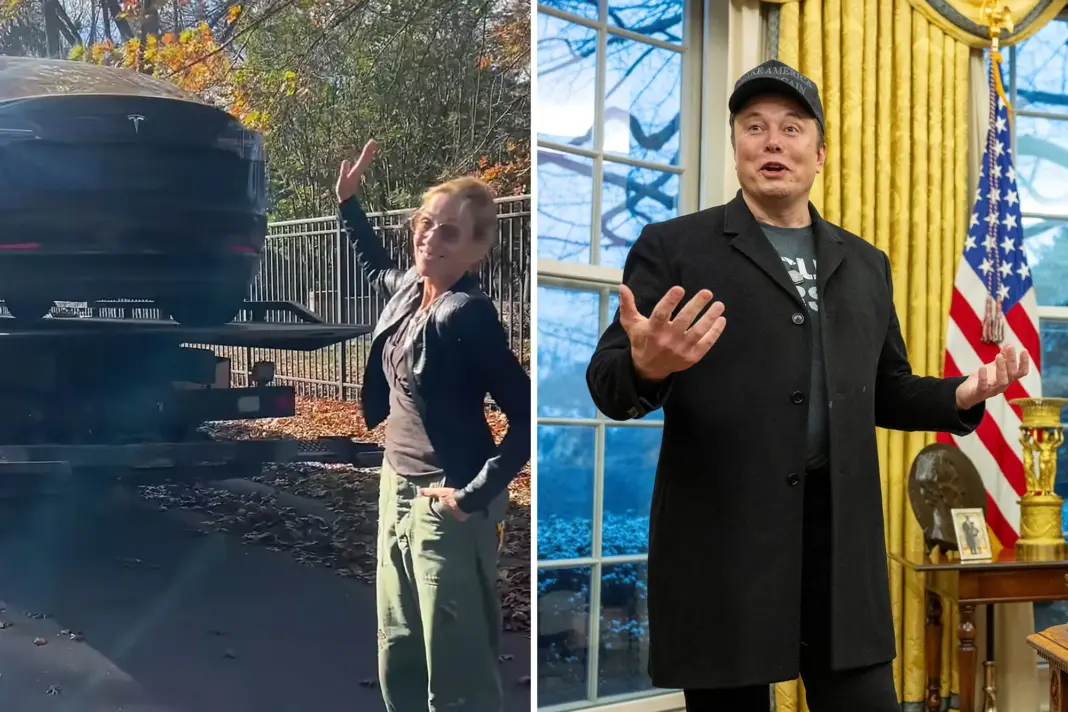
Cheryl Crow sells her Tesla car to protest Elon Musk and DOGE. Is she going to buy a more polluting non-electric?

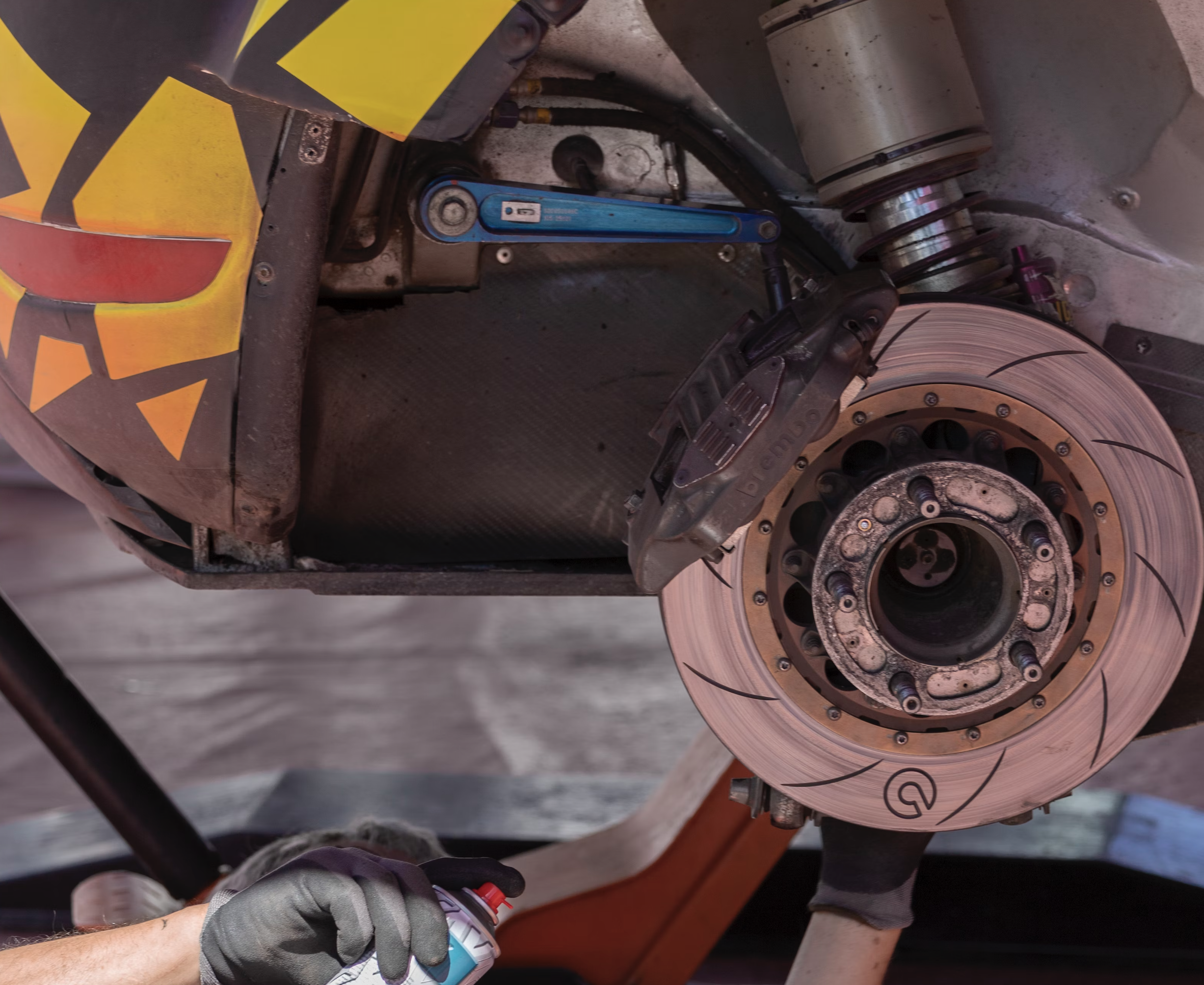
How Brake Dust Could Be More Harmful Than Car Exhaust—and Why Electric Cars Could Be the Answer

When we think about car pollution, we often focus on the visible exhaust—clouds of smoke that puff from tailpipes, blackening the air. But what if the real culprit isn’t so easy to see? What if the pollution caused by cars is a quieter, more insidious threat that’s hiding in plain sight? Research from 2015 and picked up again at Yale Environment 360 suggests that brake dust—tiny particles that are kicked up from the wear and tear of brake pads—may actually cause more harm to our lungs than exhaust fumes.

Brake Dust vs. Diesel Exhaust: A Hidden Threat

The 2015 study published in Particle and Fibre Toxicology brings this issue into sharper focus. Researchers exposed human lung cells to two sources of pollution: brake dust and diesel exhaust. To their surprise, the brake dust caused more harm to the cells than the exhaust did. The reason? Brake dust contains harmful chemicals, especially copper, which has been shown to aggravate respiratory issues like asthma and other lung diseases.

What’s even more startling is that newer brake pads—made to replace asbestos-containing pads—were found to be even more toxic. While asbestos is a well-known carcinogen, the copper in modern pads is no less dangerous, especially when it’s released into the air as dust. And while some states like California and Washington have passed laws to reduce the amount of copper in brake pads, this type of pollution remains largely unregulated.

Electric Vehicles: A Cleaner, Healthier Future
Cheryl Crow sells her Tesla car to protest Elon Musk and DOGE. Is she going to buy a more polluting non-electric?
Traditional cars create toxic brake dust. EVs do not.

Now, here’s where electric vehicles (EVs) come into play. Unlike their gas-powered counterparts, most electric cars—Teslas included—use regenerative braking. This process allows the car’s motor to harness energy as the vehicle slows, which reduces the need for traditional friction-based brake pads. As a result, EVs generate significantly less brake dust, making them a cleaner option for both the environment and public health.

Beyond the obvious benefits of reducing tailpipe emissions, electric vehicles represent a deeper shift toward sustainability. Regenerative braking not only improves energy efficiency but also helps keep dangerous particles out of the air we breathe. And while the environmental benefits of EVs are often touted for their role in reducing CO2 emissions, it’s important to recognize that they also help mitigate the less visible but equally harmful effects of brake dust.

The Bigger Picture: Why Electric Cars Matter Beyond the CEO of Tesla

In a world that seems increasingly divided, it’s easy to become caught up in personal grievances—whether it’s about corporate leadership of Elon Musk and DOGE, political agendas, or social issues. For some, the decision to buy or keep a Tesla might be influenced by frustration with Elon Musk or other factors. But here’s the thing: our personal feelings about a brand or a CEO shouldn’t overshadow the very real, collective impact electric cars have on the planet.

By choosing an electric car, you’re not just supporting a brand or a CEO. You’re making a statement about the future you want to create. A future with cleaner air, healthier communities, and less pollution. You’re helping reduce harmful brake dust, which poses a hidden health risk to millions of people. And you’re reducing the demand for fossil fuels, contributing to a broader movement toward renewable energy and environmental sustainability.


TRENDING

Luxury meets the textile waste stream with Coach – Bank & Vogue

A new collaboration between luxury brand Coach and textile reuse pioneer Bank & Vogue attempts to stitch those two worlds together: high fashion and the global textile waste stream.

Fishermen sue tire manufacturers on behalf of the salmon

A federal trial in San Francisco has brought US tire manufacturers, fishing groups, and environmental scientists into court over a chemical most drivers have never heard of — but which scientists say may be silently reshaping aquatic ecosystems.

Factors That Determine the Payout of Asbestos Cases

Asbestos is found in eye shadow and talc. Know your rights of this deadly environmental hazard.

Spain and Portugal’s Renewable Energy Blackout: A Wake-Up Call for Europe’s Green Transition​

On April 28, 2025, Spain and Portugal experienced a massive power outage that disrupted daily life for tens of millions. The blackout, which began around 12:30 p.m., led to halted transportation, communication failures, and significant economic losses. This event has sparked a critical examination of the challenges associated with the integration of renewable energy sources into national power grids.​

Is Lucid lucid about sustainability and its dealings with Saudi oil money?

The bigger question is whether the Saudi Fund is serious about creating a thriving EV industry or simply using investments like Lucid for geopolitical leverage and reputation-building. With its deep ties to the fossil fuel industry, Saudi Arabia’s commitment to sustainability remains an open question. And if Lucid fails, it will be a lesson in how throwing money at a problem doesn’t always lead to real change.

Turning Your Energy Consultancy into an LLC: 4 Legal Steps for Founders in Texas

If you are starting a renewable energy business in Texas, learn how to start an LLC by the books.

Tracking the Impacts of a Hydroelectric Dam Along the Tigris River

For the next two months, I'll be taking a break from my usual Green Prophet posts to report on a transnational environmental issue: the Ilısu Dam currently under construction in Turkey, and the ways it will transform life along the Tigris River.

6 Payment Processors With the Fastest Onboarding for SMBs

Get your SMB up and running fast with these 6 payment processors. Compare the quickest onboarding options to start accepting customer payments without delay.

Qatar’s climate hypocrisy rides the London Underground

Qatar remains a master of doublethink—burning gas by the megaton while selling “sustainability” to a world desperate for clean air. Wake up from your slumber people.

How Quality of Hire Shapes Modern Recruitment

A 2024 survey by Deloitte found that 76% of talent leaders now consider long-term retention and workforce contribution among their most important hiring success metrics—far surpassing time-to-fill or cost-per-hire. As the expectations for new hires deepen, companies must also confront the inherent challenges in redefining and accurately measuring hiring quality.

8 Team-Building Exercises to Start the Week Off 

Team building to change the world! The best renewable energy companies are ones that function.

Thank you, LinkedIn — and what your Jobs on the Rise report means for sustainable careers

While “green jobs” aren’t always labeled as such, many of the fastest-growing roles are directly enabling the energy transition, climate resilience, and lower-carbon systems: Number one on their list is Artificial Intelligence engineers. But what does that mean? Vibe coding Claude? 

Somali pirates steal oil tankers

The pirates often stage their heists out of Somalia, a lawless country, with a weak central government that is grappling with a violent Islamist insurgency. Using speedboats that swarm the targets, the machine-gun-toting pirates take control of merchant ships and then hold the vessels, crew and cargo for ransom.

Related Articles

Popular Categories