Can these scientists pull energy from magma?

Magma in Iceland

Studying how magma behaves underground could help harness powerful geothermal energy. Scientists from the Krafla Magma Testbed (KMT) in Iceland plan to drill into the magma beneath the Krafla volcano, starting in 2027.

Pressure and temperature sensors will be placed in the first of two boreholes to track changes to the magma, which could help predict volcanic eruptions.

The second will house a test run for a new type of geothermal power station. “[Magma] are the heat source that power the hydrothermal systems that lead to geothermal energy. Why not go to the source?” says Yan Lavallée, volcanologist and head of KMT’s science committee.

Related: Glamping on dead volcanoes in Saudi Arabia

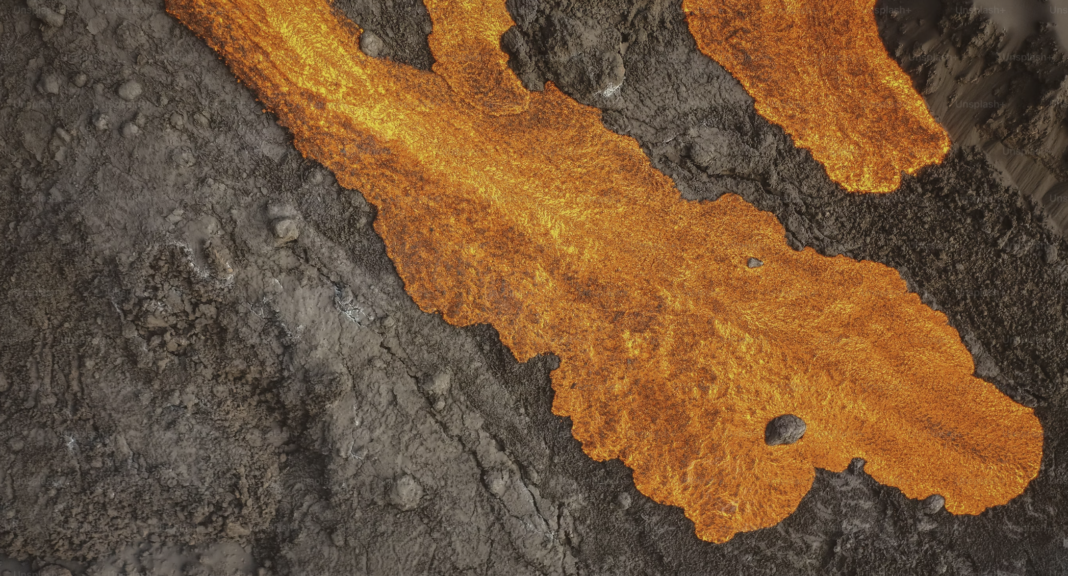
Krafla is one of the world’s most active volcanic areas, where temperatures approach 2,372°F (1,300°C). The greatest challenge to accessing this energy is not having the equipment melt.

Iceland has been harnessing the Earth’s geothermal energy for a while — where it drills into underground regions to produce steam from heated water. Ormat from Israel is a leader in this space. Water in a magma chamber inside a volcano isn’t steam, but rather it’s “supercritical” — it’s water water so hot and under pressure that it’s not liquid or steam, but that fourth state of matter close to a vapor.


In theory a magma geothermal plant has the potential to produce at least 10 times the power of a traditional geothermal plant.

According to researchers Iceland’s ongoing volcanic eruptions may continue on and off for years to decades, providing renewable energy but also threatening the country’s most densely populated region and vital infrastructure.

Related: submerged super volcanoes 

The eruptions on the Reykjanes Peninsula have forced authorities to declare a state of emergency, with a series of eight eruptions having occurred since 2021. This southwestern region is home to 70 percent of the country’s population, its only international airport, and several geothermal power plants that supply hot water and electricity.

The most recent eruption in May through June triggered the evacuation of residents and visitors of the Blue Lagoon geothermal spa, a popular tourist attraction, for the third time in more than two months.

Although Iceland sees regular eruptions because it sits above a volcanic hot spot, the Reykjanes Peninsula has been dormant for 800 years. Its last volcanic era continued over centuries however, prompting scientists to predict the renewed volcanism to be the start of a long episode.

Under an hour’s drive from the island’s capital city Reykjavík, the eruptions pose considerable risks for economic disruption, and they leave evacuated communities uncertain of a possible return.

An international team of scientists has been watching the volcanoes over the past three years. Analyzing seismic tomography imaging and the composition of lava samples, they’ve uncovered parts of the geological processes behind the new volcanic era. They predict the region may have to prepare for recurring eruptions lasting years to decades and possibly centuries.

The researchers report their findings in a paper published June 26 in the journal Terra Nova. The project included collaborations from the University of Oregon, Uppsala University in Sweden, University of Iceland, Czech Academy of Sciences and University of California, San Diego. The work follows an earlier Nature Communications study of the initial Reykjanes eruptions in 2021.

Some of the risks of tapping into magma for geothermal energy are the risks of creating earthquakes. Sudden changes in flow could endanger operations and there is currently no equipment that can safely handle the excessive heat. Also magma releases gases like sulfur dioxide (SO₂) and carbon dioxide (CO₂), which could pose local environmental hazards and contribute to atmospheric pollution if not managed properly.

TRENDING

Astro uses AI to help procure land for renewable energy

For oil-rich, environmentally vigilant Gulf states, Astro isn’t just another startup story. It is a blueprint for accelerating an energy transition that is now existential, not optional.

The Science Behind How Elite Marathon Runners Train

Discover the science behind elite marathon training. Explore techniques, nutrition, and mental strategies that propel top runners to success.

Earth building with Dead Sea salt bricks

Researchers develop a brick made largely from recycled Dead Sea salt—offering a potential alternative to carbon-intensive cement.

The Christ’s thorn (sidr tree) is also a well-known folk medicine

Christ’s thorn jujube (Ziziphus spina-christi) also known as the sidr tree is a real, identifiable tree native to the Middle East, and it appears—directly or indirectly—in Islam, Judaism, and later Christian tradition. The connections between the three faiths are not theological agreements but overlapping uses, names, and symbolic associations rooted in the same landscape.

Farm To Table Israel Connects People To The Land

Farm To Table Israel is transforming the traditional dining experience into a hands-on journey.

Qatar’s climate hypocrisy rides the London Underground

Qatar remains a master of doublethink—burning gas by the megaton while selling “sustainability” to a world desperate for clean air. Wake up from your slumber people.

How Quality of Hire Shapes Modern Recruitment

A 2024 survey by Deloitte found that 76% of talent leaders now consider long-term retention and workforce contribution among their most important hiring success metrics—far surpassing time-to-fill or cost-per-hire. As the expectations for new hires deepen, companies must also confront the inherent challenges in redefining and accurately measuring hiring quality.

8 Team-Building Exercises to Start the Week Off 

Team building to change the world! The best renewable energy companies are ones that function.

Thank you, LinkedIn — and what your Jobs on the Rise report means for sustainable careers

While “green jobs” aren’t always labeled as such, many of the fastest-growing roles are directly enabling the energy transition, climate resilience, and lower-carbon systems: Number one on their list is Artificial Intelligence engineers. But what does that mean? Vibe coding Claude? 

Somali pirates steal oil tankers

The pirates often stage their heists out of Somalia, a lawless country, with a weak central government that is grappling with a violent Islamist insurgency. Using speedboats that swarm the targets, the machine-gun-toting pirates take control of merchant ships and then hold the vessels, crew and cargo for ransom.

Leopoldo Alejandro Betancourt López Turned Ocean Plastic Into Profitable Sunglasses

Few fashion accessories carry the environmental burden of sunglasses. Most frames are constructed from petroleum-based plastics and acrylic polymers that linger in landfills for centuries, shedding microplastics into soil and waterways long after they've been discarded. Leopoldo Alejandro Betancourt López, president of the Spanish eyewear brand Hawkers, saw this problem differently than most industry executives.

Why Dr. Tony Jacob Sees Texas Business Egos as Warning Signs

Everything's bigger in Texas. Except business egos.  Dr. Tony Jacob figured...

Israel and America Sign Renewable Energy Cooperation Deal

Other announcements made at the conference include the Timna Renewable Energy Park, which will be a center for R&D, and the AORA Solar Thermal Module at Kibbutz Samar, the world's first commercial hybrid solar gas-turbine power plant that is already nearing completion. Solel Solar Systems announced it was beginning construction of a 50 MW solar field in Lebrija, Spain, and Brightsource Energy made a pre-conference announcement that it had inked the world's largest solar deal to date with Southern California Edison (SCE).

Related Articles

Popular Categories