

The growing demand for sustainable living and farming is no hidden secret in today’s eco-sensitive world. The climate is changing rapidly for the worse.
So is the way we do farming. The food quality around the world is decreasing without limit because of the chemicals and pesticides we use for faster harvesting and production.
That is when and why leading PV systems providers like Soltec are changing the entire ecological and agricultural system of how we utilize renewable sources like sunlight.
With the integration of photovoltaic systems, we can drastically change how we farm and organically harvest the produce. The yield will be much better and healthier for consumers.
Let’s learn about these systems below in detail. The knowledge will help you improve the quality of the produce on any farmland.
Intersection of Agriculture and Solar Power in 2024
Farming processes from irrigation, harvesting, and nurturing plants need sunlight as a constant renewable energy source.
Traditionally, farmers started to use pesticides and other chemically harmful alternatives for better output on the farmland they irrigate. But that has costed us – and the planet – an arm and leg.
Now is the time to know more about the importance of the sun in agriculture. It is the cleanest form of energy, one that is renewable and easily available to us for growing the best of the best produce.
Hence, with a cost-effective solar tracking system, an average farmer can store, process, and utilize solar energy without heavy investments.
What do we mean by Photovoltaic Systems (PV)?
Integrated PV systems fit into the existing electricity systems for tracking, trapping, and helping the farmers utilize solar energy which must be readily available at any time.
The traditional energy storage systems were not usually present on the land. That is not the case with modern PV systems. Farmers can install these adjacent to the farmland and use these solar trackers to trap and track solar energy around the clock.
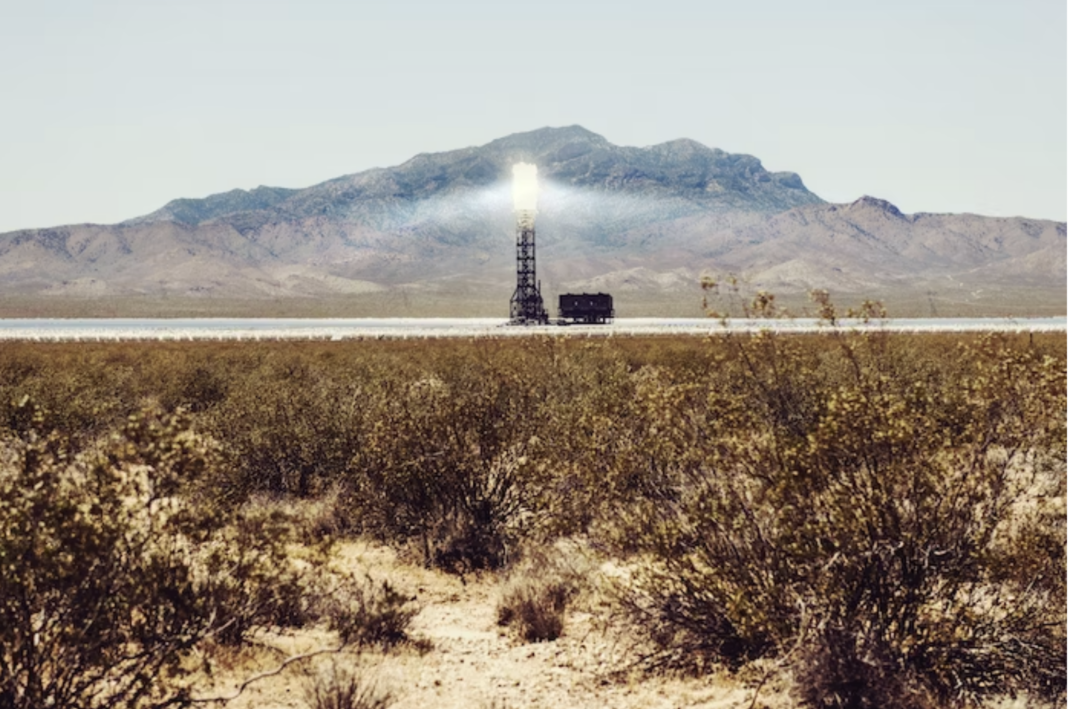
Components of a vast and usable PV system might include inverters, solar panels, and other items to store, track, and convert solar energy into electricity in seconds.
Types of PV Systems to Know
For better knowledge, let’s not learn about the different types of PV systems you can find on the farmlands.
1. Ground-mounted:
These traditional PV systems were mounted on the ground but not where the crops were grown. These were on the unused lands close to the farms where crops were grown for a significant flow of electricity.
2. Floating Photovoltaic systems:
Find these mounted onto irrigation systems or reservoirs to avoid water evaporation or algae growth.
3. Agrovoltaics:
These are the modernized PV systems that farmers can mount onto the farmlands or directly/indirectly above the crops for a certain amount of sunlight on a set clock. These PV systems improve land efficiency and protect crops from extremely cloudy or dusty conditions, providing them with energy whenever necessary for optimal growth.
Role of PV Systems in Improving Agricultural Efficiency
1. Efficient use of land:
Farmers have now recognized the need to use their lands better and more efficiently. They no longer worry about not receiving the right amount of energy, water, or electricity because of these solar panels and tracking systems.
With the land transforming into a multipurpose field, farmers can utilize it in many ways, lowering the per-yield cost.
2. Reduction in using water during irrigation:
The shade cover provided by floating PV systems, agrovoltaics, or dual-row single-axis systems helps reduce the chances of water evaporation. The influential microclimate created by these panels helps yield more output in terms of the higher produce per acre of farmland.

3. Independence from the non-renewable energy sources:
Farmers no longer have to grow extensively, dependent on non-renewable sources for irrigation and harvesting their produce.
Now, their agricultural activities are more oriented towards renewable energies, like solar panels and trackers. These improve their way of farming and let the crops be better for healthier consumption.
4. Help farmers save funds for bigger investments:
The solar trackers and panels are not that costly for farmers in the long run. They can consider these PV systems as a one-time investment.
With the help of these integrated PV systems, they don’t have to go on investing money in non-renewable sources of generating electricity, which already harms the environment more.
Instead, they can save these funds and invest in greener projects or crops. This improves their overall efficiency in producing organic raw materials so that allied and dependent industries can grow greener as well.
5. Generate electricity and solar energy on demand:
Integrated PV systems provide access to large units of electricity at any time. Farmers get the superpower to generate solar energy like the sun pouring the light over the crops even on a cloud or rain day.
This removes the chances of crops going to waste because of unsettling weather. It is highly important to consistently grow farm produce and help the energy market scale with healthier produce.
Frmers have one-click access to produce electricity with these panels. So they can harvest more challenging crops or produce without caring much about the current weather.
The Future of PV Systems in Agriculture
The demand for sustainable and organic farming is only to shoot up in the next decade. This will help the owners and manufacturers of integrated PV systems like Soltec to develop more innovative solutions in the times ahead.
Government policies and bank lending incentives are becoming more supportive of such innovations in the future as the profit margins increase for an average farmer.
Ready to Invest in integrated PV Systems for Better Output from Organic Farming?
We hope you understand the concept of integrated PV systems to improve the overall efficiency of the farmland above. If you think you’re ready to go green and sustainable, this could be your way on the bandwagon.
Invest in PV systems today if you want to have anytime access to untapped solar energy and electricity – a possible way forward for sustainable and organic farming with increased profits.