
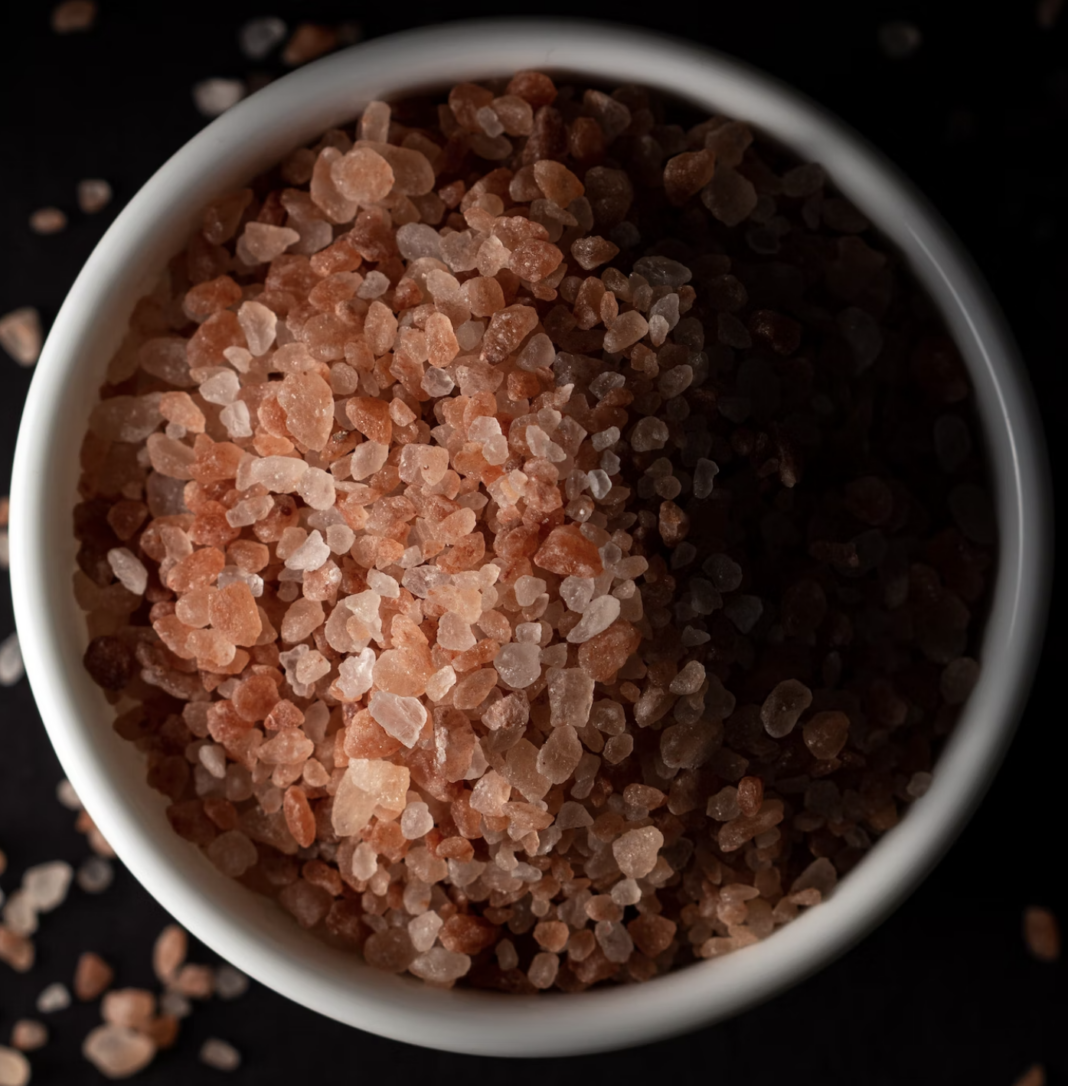


We can’t live without salt. That’s a known fact. To satisfy the craving for this essential nutrient, people have fought wars to own it, built roads to transport it, suffered extreme labor to extract it from the earth, and paid high taxes for the right to consume it. What we still aren’t sure of is how much salt we need in our diet, and how much is too much.
Medical wisdom has linked excess salt intake to high blood pressure and cardiovascular disease since ancient times. In the 1900s, studies funded by manufacturers of salt and processed foods tried to disprove this. Between these two mighty opposing forces, with their financial interests and professional reputations at stake, is the salt-sensitivity theory from the University of Indiana School of Medicine. According to this study, people sensitive to salt may be at increased risk of cardiovascular disease as a direct reaction to salt, not because of high blood pressure caused by salt intake.
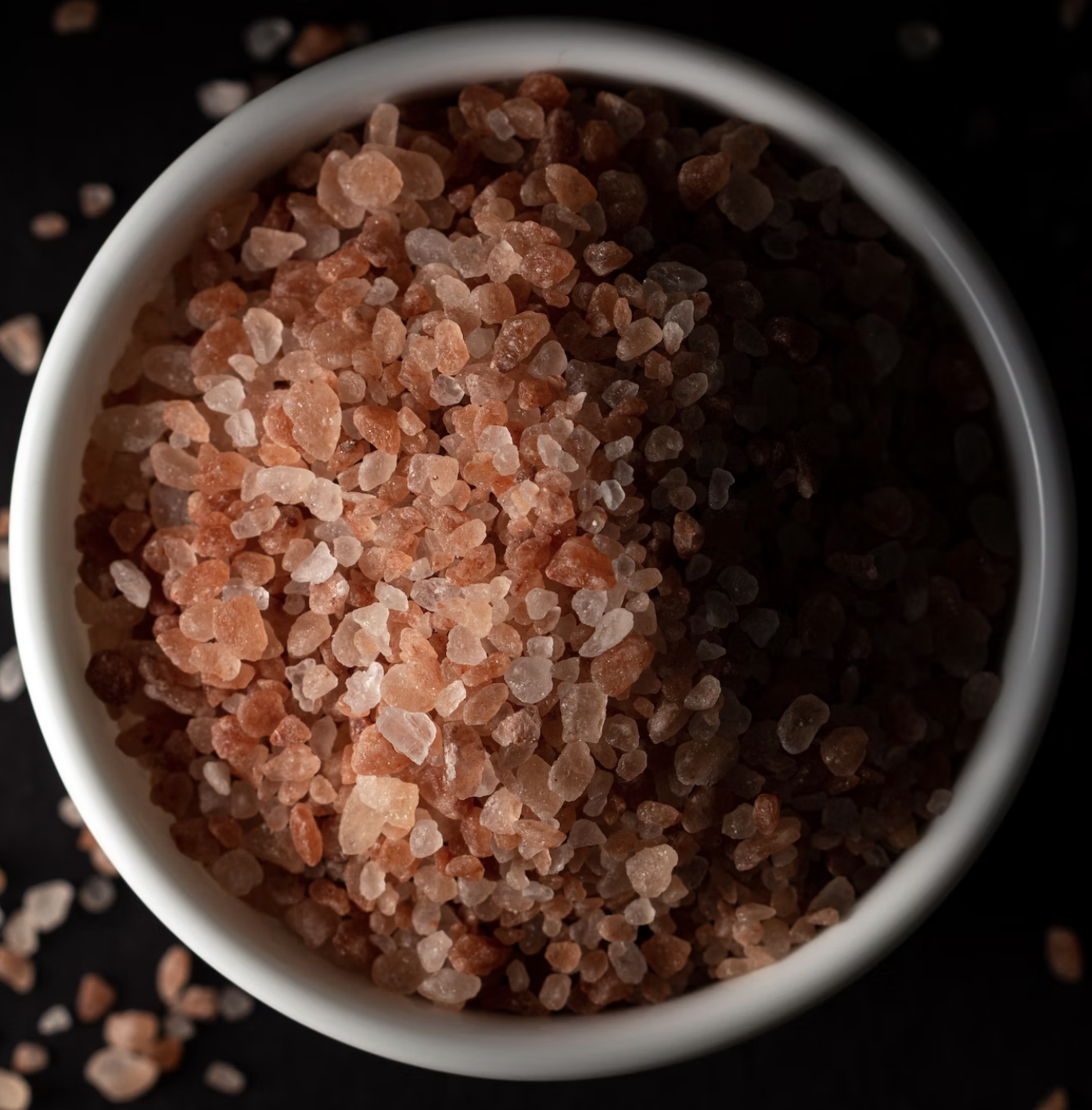
The salt shaker’s resident evil genie is sodium chloride, which makes up about 99% of table salt. Western society’s rocketing blood pressure levels are blamed on sodium chloride. The American Heart Association provides a handy guide showing how much of it is in typical amounts of table salt, and advises on salt intake.
Up to 2% of additives to salt are allowed by the American Federal Drug Administration. Salt manufacturers claim to use much less. Common additives to refined table salt are Potassium iodide at levels of 0.006 to 0.010% – this is iodine, included by law in order to prevent iodine deficiency leading to thyroid disease. In addition, dextrose is added at about 0.04%, to stabilize the potassium iodide and prevent it from evaporating. Finally, to keep salt from clumping, there are sodium ferrocyanide, and ferric ferrocyanide. They are added in amounts of 20 to 100 ppm.
Macrobiotics and salt
Then there is the macrobiotic theory, which holds that sea salt and food fermented in it (soy sauce, miso, pickles) is good for you, taken in moderation. It seems that unrefined sea salt has 95% sodium chloride, 4% potassium chloride, and 1% minerals and trace elements essential to health. Refined table salt is missing the crucial minority nutrients, and only iodine is replaced in it.
Healthy use of salt in cooking. The key words are sea salt, and moderation.To get the most of the nutrients and flavor in salt – always sea salt – cook it into your food, don’t shake it your food at the table. Even for salads, make your vinaigrette dressing ahead of time so that the salt can integrate and be “cooked” by the acid element (vinegar, lemon juice).
You don’t need commercial salt substitutes, most of which are overbalanced with potassium and may lead to other health problems. Just decrease your salt intake. Cook with wine or with good-quality soy sauce. Reduce vegetable or chicken stock to almost a syrup, and you’ll have a delicious base for sauces. (The very word “sauce” is derived from “salt.”) Combine toasted sesame seeds and dried nettles or seaweed in a coffee grinder; grind and use the powder to “salt” your food.
And of course, avoiding processed foods is probably the best thing you can do for your health. Processed foods, even those claiming to be “healthy,” are packed with salt, even if you can’t taste it. Check labels and see for yourself. The salt levels in commercial salad dressings, breakfast cereals, and processed meat products go sky-high.
Keep looking – you’ll see the advantage to cooking from fresh raw ingredients like we do in the Middle East. Who can compare the industrial taste of soup shaken out of a package or poured out of a can to home-made soup? Here are 10 winter soups we love. Not to mention the comforting feeling that says “home” as the aroma of food made by hand wafts through the house.
Upcycle refined sea salt

So you’ve bought some sea salt, but hate to throw out that refined table salt that suddenly looks so threatening. What can you do with it? Here a few tips:
- Make a hand scrub. Mix a tablespoon of salt with a tablespoon of good oil (olive is great) and rub the mixture all over your hands. Rinse off with warm water – no soap. Towel dry, and enjoy your velvety hands.
- Keep your kitchen smelling sweet by pouring very salty water down the kitchen sink. This will help dissolve grease built up in the plumbing.
- Treat tired, achey feet with a hot, salty footbath. Do the same for the rest of you; soaking for a little while in hot, salty water relaxes and revives you.
- We have even heard of a Chassidic tip for increasing the chances of conception in women: buy Dead Sea salts, dissolve them in a tubful of hot water, and soak for 15 minutes. It hasn’t been proved by us, but we heard it from the lips of a well-known Chassidic rabbi.
- Finally, keep your goldfish happy and healthy with a salty bath. Add one teaspoon of salt to a quart of fresh water at room temperature. Let your goldfish swim in it for 15 minutes, then put them back in their tank.
This article was updated February, 2023




[…] anti-microbial herb that you can read about in our ABCs of medicinal culinary herbs, and salt. (We’ve written about the surprising properties of salt in this post.) Once treated that way and then buried in a nice cool cache, far from heat and light, no wonder […]
Surprising Salt | Green Prophet http://bit.ly/5a5dsc
News:: Surprising Salt http://www.greenprophet.com/2010/01/19/16400/surprising-salt/