Boosting THC in cannabis plant using a virus

cannabis greenhouse hydroponics
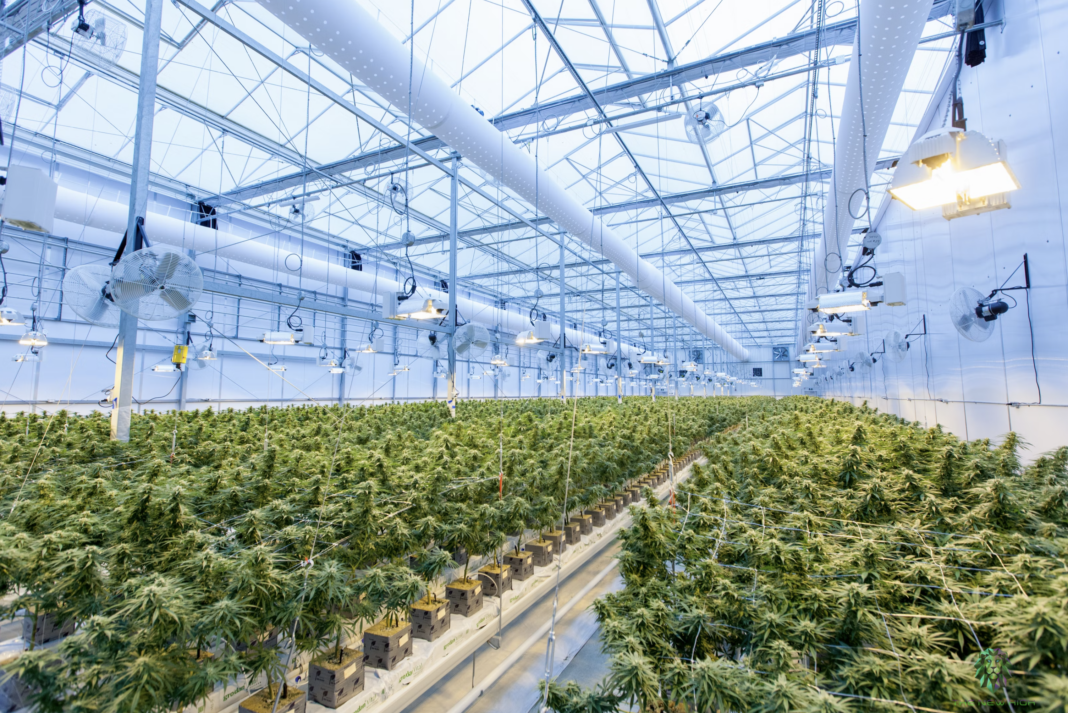
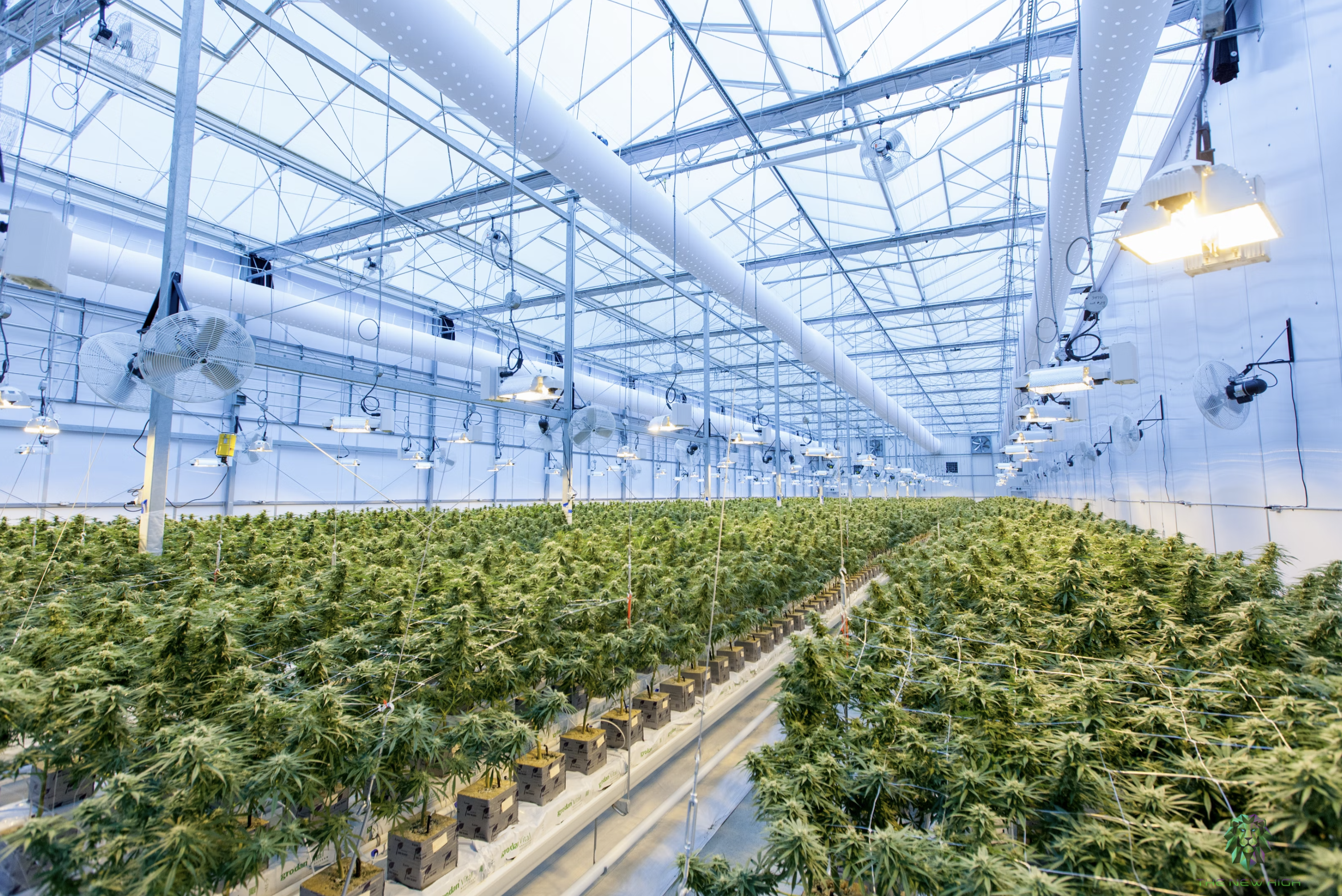
A high-tech cannabis greenhouse using hydroponics can control the environment to optimise cannabis strains for medical marijuana

Cannabis was always researched in Israel. It started in the 60s when chemist Raphael Mechoulam working at the Weizmann Institute was given a few pounds of hashish from the police to check his curiosity about active ingredients in the plant. He went on to isolate the main molecules in medical marijuana, THC and CBD, giving them their famous names.

I interviewed Mechoulam about 15 years ago when no one was interested in cannabis as medicine except for the drug dealers and happy hippies who could grow it secretly in places like Canada. But so much has changed in perception and science since then.

Throughout the world, the cannabis plant is gaining in popularity and legitimacy as a medical treatment for a broad range of illnesses from cancer to depression to PTSD. The THC in the plant which makes the high can also bring many therapeutic benefits.

In a new research project at Hebrew University in Jerusalem, Professor Alexander Vainstein has engineered a cannabis plant with higher levels of medically-important substances, such as THC. This is the molecule that creates the “high” in cannabis, but it is also believed to have a number of therapeutic benefits as well.

He used a method that has been applied to other plants but not in cannabis, until now. And with this method claims in scientific literature to have boosted the cannabis to 17% THC.

While the end-product is not genetically modified, the virus that changes the cannabis plant is. Vainstein tells Green Prophet:

“The viral vector is genetically modified. It activates/suppresses specific plant genes. Regulatory issues for field applications are still to be finalized.” 

Well it might come to news to the scientific community but cannabis growers in Canada who grow cannabis using hydroponics illegally often claimed those numbers and more. But verified by scientists and created under supervision researchers successfully increased the level of THC (tetrahydrocannabinol), the main psychoactive component in cannabis, by close to 17%, and the level of CBG (cannabigerol), often referred to as the mother of all cannabinoids, by close to 25%. 

Further, Vainstein and his team were able to increase the ratio of terpenes, which are responsible for maximizing the euphoric effects of cannabis, by 20–30%.

Higher concentrations of medicine in plants means more extract per plants, means cheaper medicine for the end user.

Personalized cannabis medicine

The researchers used gene science and a plant-based virus, that had first been neutralized so that it could not harm the plant, and then manipulating it to express the genes that influence the production of active substances in the cannabis plant.

“This represents an innovative use of these tools, which were constructed using synthetic biology tools,” explained Vainstein. “Next, we developed an innovative technology based on infection with an engineered virus to facilitate chemical reactions that increase the quantities of desired substances.”

This is the first time that researchers have succeeded in performing such a feat with cannabis plants. In 2011, Vainstein released a breakthrough technique to improve the genome of all plants by infecting them with a modified virus.

The plant virus is temporarily used to introduce genes that encode a special enzyme that is able to permanently change the plant genome in predetermined regions and in a specific manner. The plant cells manufacture these biological DNA “editing scissors” that then cut and change the plant genome in every virus infected cell. The virus is then eliminated from the plant, and the seeds or vegetative tissues can be grown to produce fully modified plants.

Currently, there is a great deal of research activity aimed at identifying additional substances and medical treatments that can be derived from the cannabis plant, in addition to the more than 200 active ingredients that have already been identified. 

Until now, there had been no way to tailor strains to produce certain cannabis substances or to alter the ratio between them.  According to Vainstein, “These study results will be valuable both to industry—to increase the yield of active substances, and to medical researcher—to cultivate and develop new strains for medical cannabis users.”

Vainstein added that more extensive experiments with the engineered plant are currently underway and should be available to cannabis industry leaders and medical research in the next few months. No doubt the researchers, through the tech transfer arm of the university – Yissum – will be keen on selling the system of gene modification. 

Karin Kloosterman
Karin Kloostermanhttp://www.greenprophet.com
Karin Kloosterman is an award-winning journalist, innovation strategist, and founder of Green Prophet, one of the Middle East’s pioneering sustainability platforms. She has ranked in the Top 10 of Verizon innovation competitions, participated in NASA-linked challenges, and spoken worldwide on climate, food security, and future resilience. With an IoT technology patent, features in Canada’s National Post, and leadership inside teams building next-generation agricultural and planetary systems — including Mars-farming concepts — Karin operates at the intersection of storytelling, science, and systems change. She doesn’t report on the future – she helps design it. Reach out directly to [email protected]

LEAVE A REPLY

Please enter your comment!
Please enter your name here

TRENDING

Stoned and driving? High THC levels might not mean you are impaired

Based on the results from the driving simulation, participants with elevated baseline concentrations of THC did no worse on a driving simulator compared with participants who were below per se cut-off points. Altogether, the results add to a growing body of evidence showing that current per se THC blood limit laws lack scientific credibility as face-value evidence of impairment.

Medical cannabis Syqe lays off 30% of its workforce

This backing gave Syqe financial muscle and strategic reach—but also raises reputational and strategic risks, given tobacco’s fraught public perception in the health space. Imagine if McDonald’s bought into a regenerative kale farm. The cash infusion could scale production, but people would always wonder if the lettuce was being served with a side of fries. 

Half of all medical cannabis doses labeled incorrectly

Products were considered “accurately labeled” if they contained within 15% of the THC amount shown on the label—the same threshold the state uses. About 44% percent of flower products failed to meet that standard, with 54 of those products inflating their THC content and 23 containing more THC than the label indicated. Only four concentrate products were labeled inaccurately.

Ayahuasca in 2025: Where the Sacred Vine Still Grows

But with popularity comes complexity. Indigenous leaders and activists have raised concerns about cultural appropriation, overharvesting of ayahuasca vines, and the commercialization of sacred traditions. Some Amazonian communities are pushing back, creating frameworks for reciprocity and ethical sourcing.  Organizations like The Indigenous Medicine Conservation Fund are advocating for fair compensation, intellectual property protection, and cultural sovereignty for the original stewards of the medicine.

Portugal vies to become Europe’s medical cannabis hub but locals say beware of corruption

Tilray Medical continues to be a global leader in the medical cannabis industry, offering a diverse portfolio of EU-GMP certified medicinal cannabis products. With operations extending over 20 countries, Tilray Medical is dedicated to supporting medical cannabis patient care worldwide through quality products accessible via healthcare practitioners. Its business in Portugal is a stepping stone to the rest of the EU. 

Qatar’s climate hypocrisy rides the London Underground

Qatar remains a master of doublethink—burning gas by the megaton while selling “sustainability” to a world desperate for clean air. Wake up from your slumber people.

How Quality of Hire Shapes Modern Recruitment

A 2024 survey by Deloitte found that 76% of talent leaders now consider long-term retention and workforce contribution among their most important hiring success metrics—far surpassing time-to-fill or cost-per-hire. As the expectations for new hires deepen, companies must also confront the inherent challenges in redefining and accurately measuring hiring quality.

8 Team-Building Exercises to Start the Week Off 

Team building to change the world! The best renewable energy companies are ones that function.

Thank you, LinkedIn — and what your Jobs on the Rise report means for sustainable careers

While “green jobs” aren’t always labeled as such, many of the fastest-growing roles are directly enabling the energy transition, climate resilience, and lower-carbon systems: Number one on their list is Artificial Intelligence engineers. But what does that mean? Vibe coding Claude? 

Somali pirates steal oil tankers

The pirates often stage their heists out of Somalia, a lawless country, with a weak central government that is grappling with a violent Islamist insurgency. Using speedboats that swarm the targets, the machine-gun-toting pirates take control of merchant ships and then hold the vessels, crew and cargo for ransom.

Leopoldo Alejandro Betancourt López Turned Ocean Plastic Into Profitable Sunglasses

Few fashion accessories carry the environmental burden of sunglasses. Most frames are constructed from petroleum-based plastics and acrylic polymers that linger in landfills for centuries, shedding microplastics into soil and waterways long after they've been discarded. Leopoldo Alejandro Betancourt López, president of the Spanish eyewear brand Hawkers, saw this problem differently than most industry executives.

Why Dr. Tony Jacob Sees Texas Business Egos as Warning Signs

Everything's bigger in Texas. Except business egos.  Dr. Tony Jacob figured...

Israel and America Sign Renewable Energy Cooperation Deal

Other announcements made at the conference include the Timna Renewable Energy Park, which will be a center for R&D, and the AORA Solar Thermal Module at Kibbutz Samar, the world's first commercial hybrid solar gas-turbine power plant that is already nearing completion. Solel Solar Systems announced it was beginning construction of a 50 MW solar field in Lebrija, Spain, and Brightsource Energy made a pre-conference announcement that it had inked the world's largest solar deal to date with Southern California Edison (SCE).

Related Articles

Popular Categories