
Device restores the sense of touch

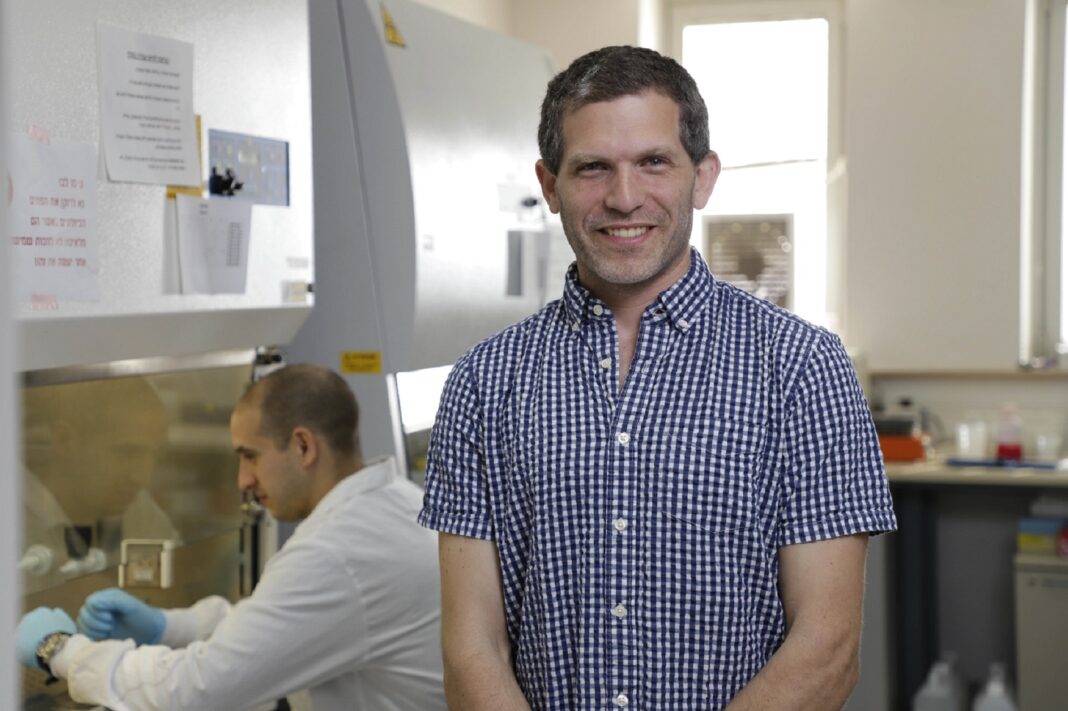
Ben Maoz
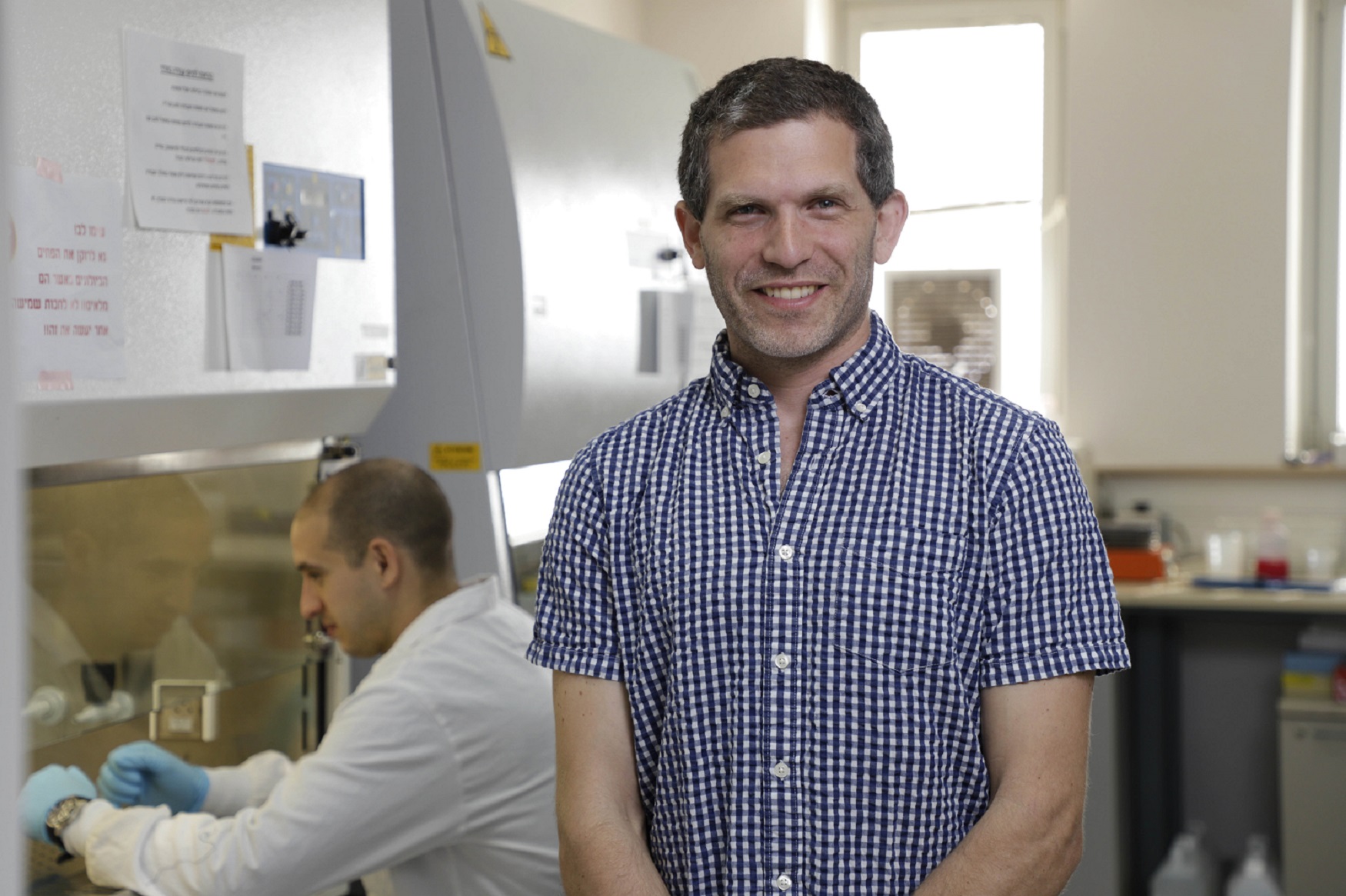
Ben Maoz

A new device developed in Tel Aviv inspires hope among people who have lost their sense of touch in the nerves of a limb following amputation or injury.

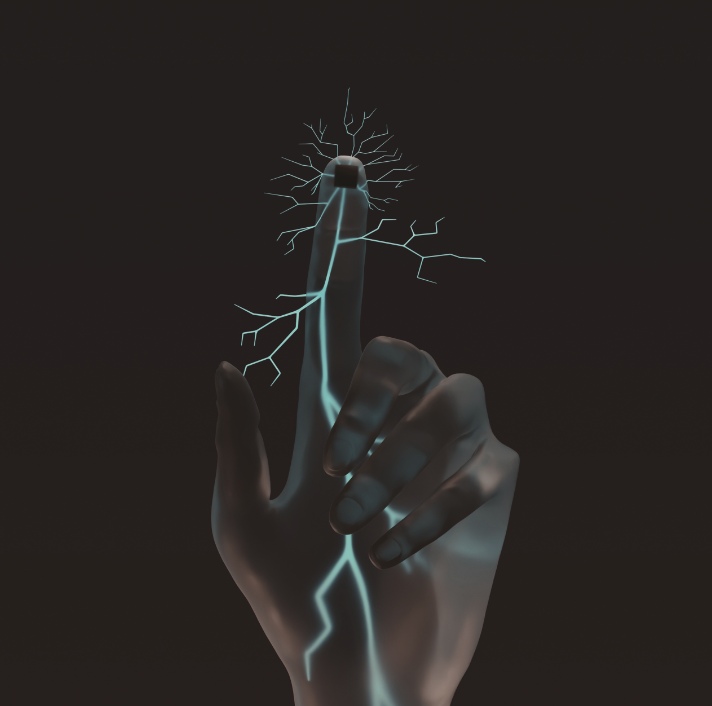
The device is a tiny sensor that is implanted in the nerve of the injured limb, for example in the finger, and is connected directly to a healthy nerve. Each time the limb touches an object, the sensor is activated and conducts an electric current to the functioning nerve, which recreates the feeling of touch. The researchers at Tel Aviv University, where it was developed, emphasizes that this is a tested and safe technology that is suited to the human body and could be implanted anywhere inside the body.
Ben Maor

The technology was developed by  Ben M. Maoz, Iftach Shlomy, Shay Divald, and Yael Leichtmann-Bardoogo and Dr. Amir Arami from the Sackler School of Medicine and the Microsurgery Unit in the Department of Hand Surgery at Sheba Medical Center. The study was published in the journal ACS Nano.

“It should be understood that this loss of sensation can result from a very wide range of injuries, from minor wounds – like someone chopping a salad and accidentally cutting himself with the knife – to very serious injuries,” says Maoz.

“Even if the wound can be healed and the injured nerve can be sutured, in many cases the sense of touch remains damaged. We decided to tackle this challenge together, and find a solution that will restore tactile sensation to those who have lost it.”

In recent years, the field of neural prostheses has made promising developments to improve the lives of those who have lost sensation in their limbs by implanting sensors in place of the damaged nerves.

But the existing technology has a number of significant drawbacks, such as complex manufacturing and use, as well as the need for an external power source, such as a battery. The new approach uses a triboelectric nanogenerator (TENG) to engineer and test on animal models a tiny sensor that restores tactile sensation via an electric current that comes directly from a healthy nerve and doesn’t require a complex implantation process or charging.

The researchers developed a sensor that can be implanted on a damaged nerve under the tip of the finger; the sensor connects to another nerve that functions properly and restores some of the tactile sensation to the finger. This unique development does not require an external power source such as electricity or batteries. The researchers explain that the sensor actually works on frictional force: whenever the device senses friction, it charges itself.

How does the nerve stimulation work?

The device consists of two tiny plates less than half a centimeter by half a centimeter in size. When these plates come into contact with each other, they release an electric charge that is transmitted to the undamaged nerve. When the injured finger touches something, the touch releases tension corresponding to the pressure applied to the device – weak tension for a weak touch and strong tension for a strong touch – just like in a normal sense of touch.

The researchers explain that the device can be implanted anywhere in the body where tactile sensation needs to be restored, and that it actually bypasses the damaged sensory organs. The device is made from biocompatible material that is safe for use in the human body, it does not require maintenance, the implantation is simple, and the device itself is not externally visible.

According to Dr. Maoz, after testing the new sensor in the lab (with more than half a million finger taps using the device), the researchers implanted it in the feet of the animal models.

The animals walked normally, without having experienced any damage to their motor nerves, and the tests showed that the sensor allowed them to respond to sensory stimuli. “We tested our device on animal models, and the results were very encouraging,” he says.

“Next, we want to test the implant on larger models, and at a later stage implant our sensors in the fingers of people who have lost the ability to sense touch. Restoring this ability can significantly improve people’s functioning and quality of life, and more importantly, protect them from danger. People lacking tactile sensation cannot feel if their finger is being crushed, burned or frozen.”

Karin Kloosterman
Karin Kloostermanhttp://www.greenprophet.com
Karin Kloosterman is an award-winning journalist, innovation strategist, and founder of Green Prophet, one of the Middle East’s pioneering sustainability platforms. She has ranked in the Top 10 of Verizon innovation competitions, participated in NASA-linked challenges, and spoken worldwide on climate, food security, and future resilience. With an IoT technology patent, features in Canada’s National Post, and leadership inside teams building next-generation agricultural and planetary systems — including Mars-farming concepts — Karin operates at the intersection of storytelling, science, and systems change. She doesn’t report on the future – she helps design it. Reach out directly to [email protected]

TRENDING

How does one start prepping?

Faced with an extreme winter storm this year, Americans wonder how to be prepared for catastrophe. Miriam has lived through wars in the Middle East - so she's prepared on giving you a guide to prepping.

Iran’s holiest city about to run dry as terror chosen over water management

Iran’s second-largest city, Mashhad, is facing an acute water emergency after dam reservoirs feeding the city fell below three percent capacity, according to Iranian state and local media. Officials warn that without rainfall or improved inflows from neighboring Afghanistan, the city’s supply could soon collapse.

Freedom Flotilla sets sail toward Gaza with Greta Thunburg on board to liberate Gaza

Inside the controversial voyage that merges climate activism, human rights, and Middle East politics. Will the Freedom Flotilla make it to Gaza?

The Emirates wants to help Lebanon become a sustainable winner

Can sustainable experts change the future of Lebanon for the better? The UAE is leading the way.

Sudan is starving and 25 million people face famine

Urgent action, in particular immediate and unimpeded humanitarian access, is required to address the widening famine in Sudan, where almost 25 million people face acute food insecurity. 

Qatar’s climate hypocrisy rides the London Underground

Qatar remains a master of doublethink—burning gas by the megaton while selling “sustainability” to a world desperate for clean air. Wake up from your slumber people.

How Quality of Hire Shapes Modern Recruitment

A 2024 survey by Deloitte found that 76% of talent leaders now consider long-term retention and workforce contribution among their most important hiring success metrics—far surpassing time-to-fill or cost-per-hire. As the expectations for new hires deepen, companies must also confront the inherent challenges in redefining and accurately measuring hiring quality.

8 Team-Building Exercises to Start the Week Off 

Team building to change the world! The best renewable energy companies are ones that function.

Thank you, LinkedIn — and what your Jobs on the Rise report means for sustainable careers

While “green jobs” aren’t always labeled as such, many of the fastest-growing roles are directly enabling the energy transition, climate resilience, and lower-carbon systems: Number one on their list is Artificial Intelligence engineers. But what does that mean? Vibe coding Claude? 

Somali pirates steal oil tankers

The pirates often stage their heists out of Somalia, a lawless country, with a weak central government that is grappling with a violent Islamist insurgency. Using speedboats that swarm the targets, the machine-gun-toting pirates take control of merchant ships and then hold the vessels, crew and cargo for ransom.

Leopoldo Alejandro Betancourt López Turned Ocean Plastic Into Profitable Sunglasses

Few fashion accessories carry the environmental burden of sunglasses. Most frames are constructed from petroleum-based plastics and acrylic polymers that linger in landfills for centuries, shedding microplastics into soil and waterways long after they've been discarded. Leopoldo Alejandro Betancourt López, president of the Spanish eyewear brand Hawkers, saw this problem differently than most industry executives.

Why Dr. Tony Jacob Sees Texas Business Egos as Warning Signs

Everything's bigger in Texas. Except business egos.  Dr. Tony Jacob figured...

Israel and America Sign Renewable Energy Cooperation Deal

Other announcements made at the conference include the Timna Renewable Energy Park, which will be a center for R&D, and the AORA Solar Thermal Module at Kibbutz Samar, the world's first commercial hybrid solar gas-turbine power plant that is already nearing completion. Solel Solar Systems announced it was beginning construction of a 50 MW solar field in Lebrija, Spain, and Brightsource Energy made a pre-conference announcement that it had inked the world's largest solar deal to date with Southern California Edison (SCE).

Related Articles

Popular Categories