Despite many denying the existence of climate change, today more than ever are we aware of its effects. Steady rise of global temperatures; longer, more intense heat waves and droughts; stronger hurricanes; floods; air and water pollution – the list goes on.
We are no longer experiencing gradual climate change; we are in the midst of it. There are changes we can implement to decrease our consumption and environmental impact.
What’s the Cause?
We are! Humans. Well, at least partly. Are we causing climate change or contributing to it? We sometimes get lost in the debate whether climate change is naturally inherent in the fabric of our environment or man-made. It’s scientifically unverifiable nor unfeasible to attribute climate change as a whole to humans, but individual facets can be objectively verified by data.
Ever since the Industrial Revolution in the 18th and 19th century, the burning of fossil fuels has been increasing and since the mid-1960s, levels of carbon dioxide (CO2) in the atmosphere have been reaching alarming levels.
Main culprits?
In the first place, large fossil fuels companies. Only 20 of them are responsible for one-third of all greenhouse gases emitted. The 5 largest firms paid over $200 million in 2019 to lobbyist groups to influence climate legislation.
Secondly, livestock. Methane, a gas produced from manure and fermentation, has 28 times higher effect on global warming than CO2. We are eating so much meat that it is killing the planet.
Thirdly, we, individually. Everything we do has some effect, even if it´s so minor we can´t imagine it can hurt our environment. Every single person on this plant leaves a carbon footprint which contributes to the total global CO2 and greenhouse gas emissions, which is currently over 36 billion tonnes per year.
So what can be done?
We, at least individually, may not be able to influence what global companies are doing but we can certainly control the role that we play.
It can start with you and your home or business. There’s even an independent authority that governs sustainable accreditation called LEED Certification.
Here are 8 ways you can make changes to your home to make it more environmentally friendly and sustainable.
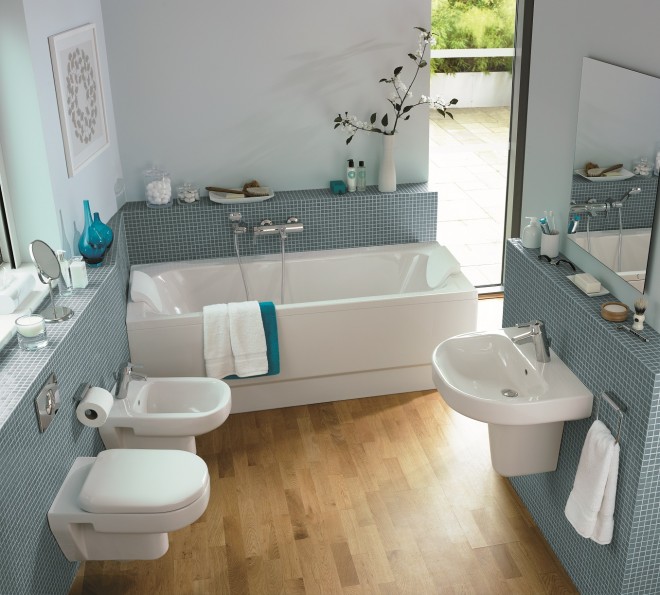
Decrease your water consumption
The global average of daily use of freshwater per person is 3800 litres, while an average family wastes around 9400 litres of water just from household leaks and around 40000 litres from waiting for water to heat up!
First and foremost, ensure that there are no leaks in your household.
Second, change your habits. Close the tap when you’re brushing your teeth or shaving. Try spending less time showering and shut off the water when soaping. If you like taking long baths, these are a better option than long showers.
Third, don´t wash your clothes frequently (except underwear). Try piling them and then washing bigger loads.
Lastly, look into ways of reusing water sustainably. Collecting and reusing rainwater is a trend that has been growing in recent years. A residential driveway channel drain is a linear drainage system that collects and conveys rainwater to an outlet or catch basin. The materials are made using green materials like recycled cast iron and fiber reinforced concrete. The water is diverted to a storage tank where it is treated and reused for lawn care and other household tasks. Using eco-friendly building materials, sustainable drainage and reclamation of grey water practices decrease overall water consumption and lower home or business operating costs.
Turn off the lights
Even though many people claim that house lights don´t waste much energy, keeping the lights on in billions of homes is bound to have a significant impact. Just think how many people you know who leave all of the lights on? You might be one of them.
So we all should make it a habit to turn off all of the lights that we don´t need. One switch per individual can go a long way.
Replace your lightbulbs
Energy-efficient lightbulbs are not something new, but for some reason, they’ve taken a long time to become widely used in homes. They use less electricity and therefore reduce carbon emission.
For example, light-emitting diodes (LEDs) consume 75% less energy and last 25 times longer than regular, incandescent lighting. Even though pricier, they pay off in the long run through your electricity bill and longevity.
Unplug
Do you know that even though you´re not using an appliance or your charger is not connected to your phone, if it’s plugged in the wall it still consumes a bit of electricity?
And how many electronic devices do you have in your home that are on standby? All of them combined amount to more than just a little bit of energy consumed each they. So whenever you´re not using an appliance or device unplug it from the socket.
Opt for energy-efficient appliances
If you´re shopping for a new refrigerator or a new washing machine, look for energy-efficient models. Their price might be higher, but just like any energy-efficient investment, they pay off in the long run.
These appliances conserve energy by spending the minimum amount to perform their tasks which is reflected in your electric bill as well. Essential in conserving natural resources and pollution, by investing in energy-efficient appliances you directly contribute to a more sustainable environment.
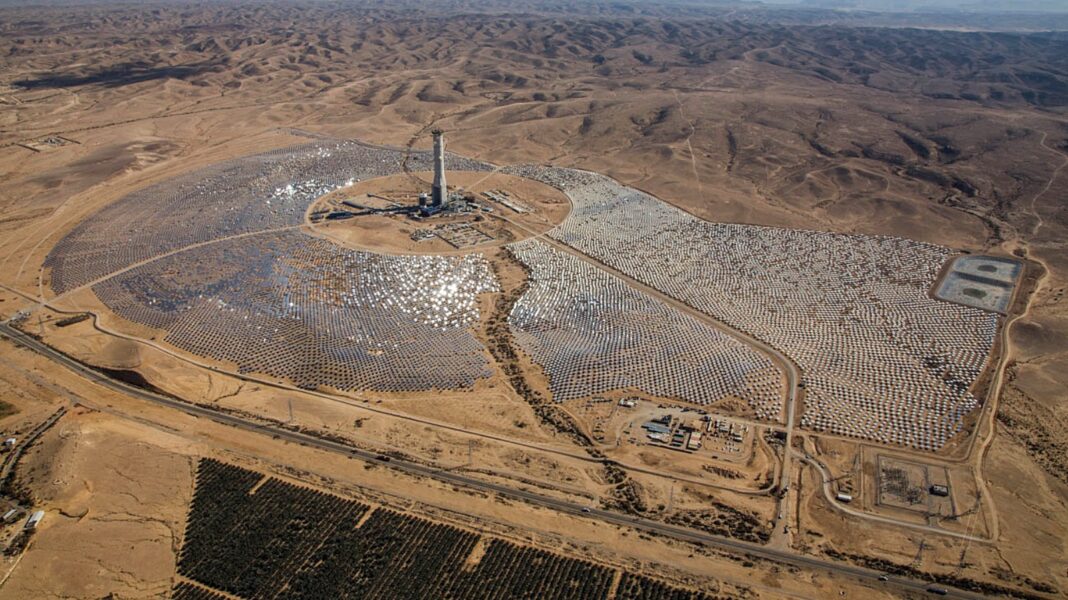
Install solar panels
Depending on where you live and how much you earn, renewable energy might not be an option for you. But if you live in a country where it is legal to produce your energy from the sun and you can afford a one-time large investment, then we strongly encourage you to do it!
More of an ecological than a financial investment, solar panels provide you with completely clean electrical energy, which you can sell back to the grid depending on how much you produce.
Another option, legal in most countries, is installing solar panels only for heating water.
Invest in good insulation
Having high-quality insulation means that most of the heat you produce stays inside your home, so you´re not wasting energy reheating all the time.
Aside from regular insulation within your walls and in your roof, you should consider double glazing all your windows and covering your hardwood floors with area rugs. This is a stylish and cost-effective method of preventing the air from slipping through floor cracks.
Introduce smart heating
During cold months, we use most of the energy heating our homes. However, more often than not we are overheating, leaving the heating on longer than needed.
You can prevent this by installing a smart meter that can be programmed to heat your home only when you need it, like just before you get home or before you wake up. You are reducing your carbon footprint and saving money at the same time.
By implementing these 8 methods we can have a net positive environmental effect and decrease home and business-related costs. Individual efforts are cumulative in impact and increase in efficacy collectively.