Are Digital Diet Utensils A Forking Joke?

HAPIfork digital diet forkEating too fast leads to poor digestion and poor weight control.  No brainer. But do we need a digital fork to help adhere to that maxim?

Goofing around online, I spot a cool-looking kitchen gadget: a fork that could be a love-child of IKEA and Apple.  I click on the video and nearly spit out my lunch (soup, by the way, not a fork in sight). The HAPIfork is an electronic tool that helps you monitor your eating habits, alerting you with indicator lights and gentle vibrations when you eat too fast.  It tracks “fork servings”, which are the round-trip motions between your plate and your mouth. The device also measures the time it takes to eat your meal and the total number of “fork servings” per minute.

Originally designed for medical use, the machine-washable utensil has Bluetooth capability and a built-in USB port for easy connection to your smartphone or computer. Simply upload the forking data to your online dashboard to see how you’re doing.  It comes with a HAPILABS app plus a coaching program to help you modify your eating behavior.

[youtube http://www.youtube.com/watch?v=boM3EAuz-oU&w=560&h=315]

You don’t need to be on a macrobiotic diet to understand we ought to eat more slowly. Slow Control, HAPIfork’s inventor, has an entire website dedicated to the science behind digestion. Negative effects related to speed-eating include:

  • Weight gain: We feel full after 20 minutes. Eat fast, and you miss the chance to feel sated.  You’ll eat more.
  • Digestive problems: Eating quickly means chewing poorly, which in turn burdens the digestive tract.
  • Gastric reflux: Fast eating is linked to gastric reflux.
  • Postoperative complications: Eating more slowly reduces stress on weakened tissues.

No question most of us inhale our food.  And conceptually, the HAPIfork could aid in raising awareness of individual patterns of food consumption.  But seriously, who’s going to use these gizmos?

Obesity and diabetes are globally epidemic, the scales have tipped where more people now die from overeating than from starvation.  Increasingly, what we eat doesn’t require a fork: consider the staples of western fast food now infiltrating Middle Eastern urban cuisine: pizza, burgers, fries, big soda, fried chicken.  We wage hand-to-hand combat with our modern menus.

And don’t just blame the Americans. You could spend a lifetime in Jordan’s shawarma shacks, sweets shops, cafes and falafel carts and never touch a fork.

The fast food industry in Saudi is booming, expected to hit $4.5 billion (that’s a literally gross annual figure) in the next 2 years. Coupling those foodstuffs with a physically inactive population, use Qatar as example, presents a dietary challenge that’s far too heavy a lift for clever gadget like this.

Unless we wake up to healthy eating habits, we’re all forked.

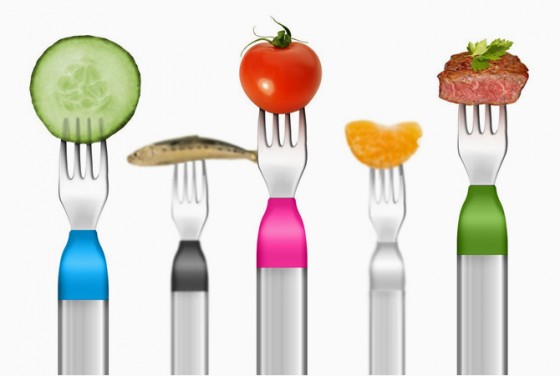
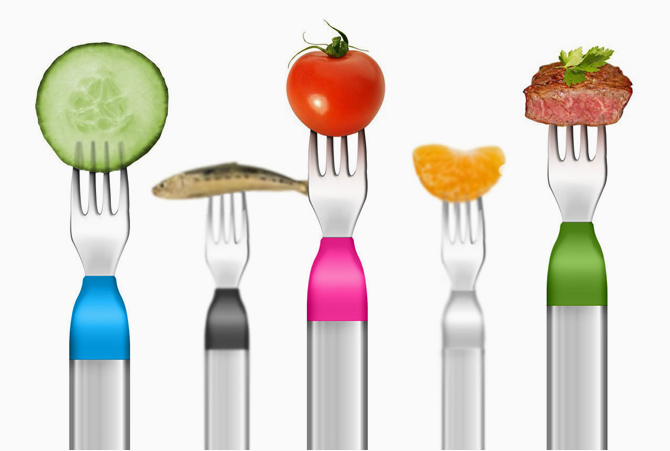
Image of HAPIfork from HAPILABS.

38 COMMENTS

Comments are closed.

TRENDING

Eat more steak if you are taking anti-fat drugs

Losing weight is a struggle and a reason to...

Probiotics from fermented foods can help you sleep

Chinese fermented foods have a rich history stretching back thousands of years, forming a core part of traditional diets and medicine. Staples like doubanjiang (fermented broad bean paste), douchi (fermented black soybeans), jiang (soy sauce-type pastes), fermented tofu, pickled vegetables, and rice wines such as Shaoxing wine are not only prized for their deep umami flavor but also valued for their digestive and health benefits.

Too Much Processed Food Linked to Early Signs of Parkinson’s, New Study Finds

The trend held across most individual symptoms—except constipation. “Choosing to eat fewer processed foods and more whole, nutritious foods could be a good strategy for maintaining brain health,” said Gao. “More studies are needed to confirm our finding that eating less processed food may slow down the earliest signs of Parkinson's disease.”

Is our diet feeding a cancer-causing bacteria? Scientists link early-onset colorectal cancer to gut microbes and what we eat

While the study didn’t examine diet directly, scientists widely agree that food plays a critical role in shaping the gut microbiome — the community of trillions of bacteria in our digestive tract. Some of these bacteria are protective. Others, like colibactin-producing E. coli, can be harmful.

How to Dedicate Time and Days for Effective Exercise

Exercise Scheduling: How Often Should You Work Out? Working out...

Should You Invest in the Private Market?

startustartup Unlike public stock exchanges, which offer daily trading, strict...

How to build a 100-year-company

Kongō Gumi is a Japanese construction company, purportedly founded in 578 A.D., making it the world's oldest documented company. What can we learn about building sustainable businesses from them?

From Pilot Plant to Global Stage: How Aduro Clean Technologies’ 2026 Expansion Signals a Turning Point for Chemical Recycling Investors Like Yazan Al Homsi

The company's Next Generation Process (NGP) Pilot Plant in London, Ontario, has officially moved into initial operating campaigns, generating the kind of structured, repeatable data that separates laboratory promise from commercial viability.

How AI Helps SaaS Companies Reduce Repetitive Customer Support Work

SaaS products are designed for large numbers of users with different levels of experience, and also in renewable energy.

Pulling Water from the Air

Faced with water shortage in Amman, Laurie digs up...

Turning Your Energy Consultancy into an LLC: 4 Legal Steps for Founders in Texas

If you are starting a renewable energy business in Texas, learn how to start an LLC by the books.

Tracking the Impacts of a Hydroelectric Dam Along the Tigris River

For the next two months, I'll be taking a break from my usual Green Prophet posts to report on a transnational environmental issue: the Ilısu Dam currently under construction in Turkey, and the ways it will transform life along the Tigris River.

6 Payment Processors With the Fastest Onboarding for SMBs

Get your SMB up and running fast with these 6 payment processors. Compare the quickest onboarding options to start accepting customer payments without delay.

Related Articles

Popular Categories