


Dancing is good for you, but the Harlem Shake is a cringe-worthy global phenomenon that’s spawned a thousand epic fails: the YouTube dance craze’s been done underwater, on commercial air flights over the Grand Canyon, and now, by soldiers in the Israeli Defense Force.
“It’s just a sign of the times when you see soldiers dancing and reacting to internet sensations like the Harlem Shake,” says Guy Lerer, according to the BBC. Lerer, a presenter on Israeli Channel 10’s program about the internet, The Night Tube, added, “I think the army shouldn’t be embarrassed about that. It shows the world that Israeli kids are like kids everywhere else.”
Military brass apparently don’t agree: they jailed two soldiers (14 days for the organizer and 21 days for his commanding officer who approved it) for their roles in producing the video of their dancing artillery battalion. Despite a staggering absence of decorum (and dancing skills), the clip’s been well-received by Israeli media and in online comments. Check out the video below.
Israel isn’t alone is trying to muzzle its soldiers: American, British and Norwegian armed forces all have examples of their servicemen being inducted into the You Tube Hall of Shame. The above is a cover of Carly Rae Jepson’s “Call Me Maybe” by US soldiers in Afghanistan is seen below. Can you conjure up John Wayne in camo fatigues shaking his money-maker to a WWII pop tune? These aren’t your grandfather’s soldiers.
But, in Israel, a a nation where most young people between 18 and 21 perform military service, is it possible to shut down their personal participation in virtual communities? A recent ComScore study reported that Israelis spend longer on social networks than any other users.
As witnessed during the Arab Spring, social media creates a new frontline in regional conflict, with activists from all sides scanning the internet for content that supports their views. Mainstream use of Facebook, Twitter, YouTube and Instagram make it easy to monitor soldiers’ personal accounts for provocative proofs and indiscretions.
Palestinian activist, Ali Abunimah, a co-founder of the Electronic Intifada website, told BBC, “We look at social media accounts coming out of Palestine/Israel, whether it’s Instagram or Twitter or YouTube. We’re really looking for anything newsworthy,” he says. “We’ll investigate it and try to find some context.” International media also trolls for storylines.
“Recently we’re witnessing a growing and expanding phenomenon in which soldiers from all IDF units disseminate through social platforms in which they are active… visual content which is not appropriate to the spirit of the IDF,” stated a memo circulated to IDF commanders.
The IDF clearly understands social forum, using its own Twitter feed and official Facebook page to promote its views and reinforce its image.
“This is a democracy. We cannot ban soldiers or anyone else from using smart phones and mobile devices but we are a military with strict orders,” says head of interactive media, Avital Leibovich. “A soldier is a solider wherever he is. He has to behave within the moral and ethical code of the IDF in his house with his friends, with his colleagues in the military and in social media.”
“I can do whatever I like. Yes, I’m in the army but I’m not a robot or something,” an unnamed young soldier told the BBC.
The Israeli government doesn’t disclose info as to IDF overall size, but estimates by London’s International Institute for Strategic Studies approximate ground forces at over 10o,000 troops, with an additional 500,000 reservists. The Military Balance estimates there were 175,000 soldiers in active service and 430,000 in the reserves in 1998.
However you do the numbers, they translate into an army of personal media that’s impossible to control. This isn’t Abu Ghraib, it’s dancing young people. What do you think about nations applying “parental controls” to their soldiers’ electronic toys?
The Harlem Shake has caught on in Tunisia and Egypt. See the two videos below.
Harlem Shake Cairo rocks the Brotherhood
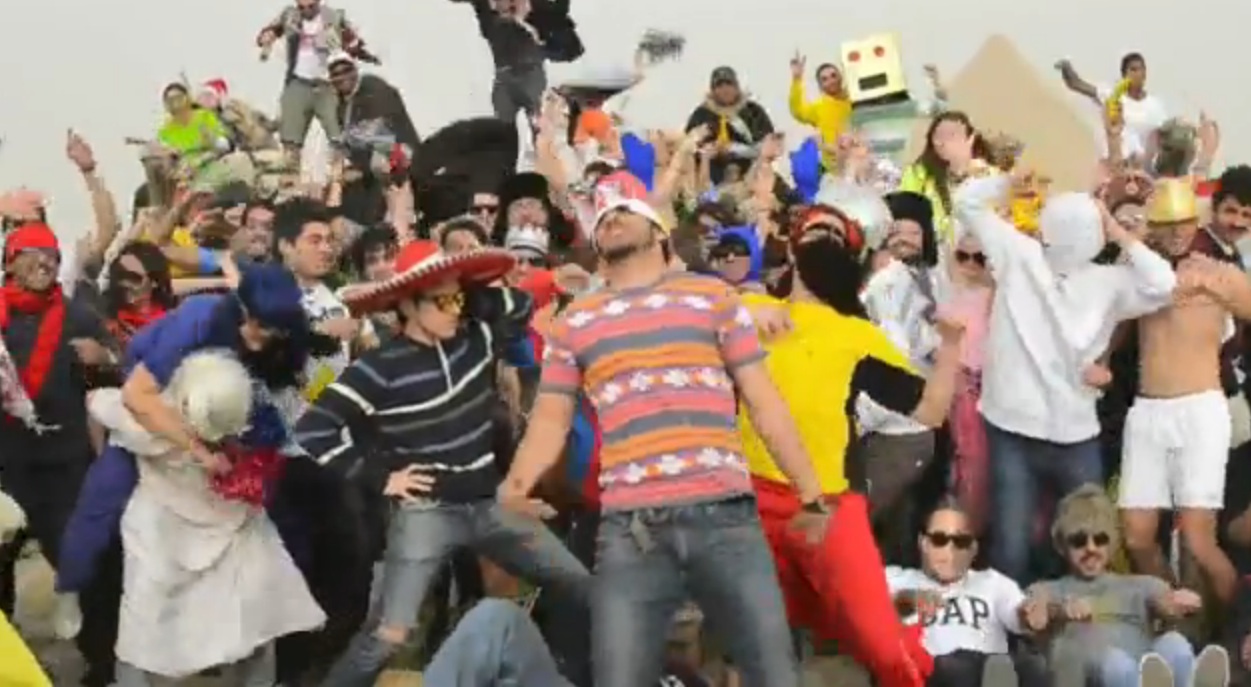
Harlem Shake/Gangham Style in Tunisia


ve been wanting. This specific unique fat reduction supplementation
is made from all-natural herbs. Other sugary beverages as an example Coca Cola is as lousy for your teeth thanks to the substantial sugar written content plus the caffeine during
these forms of drinks will depart you feeling jittery.
We agree!
It relieves stress, and when they’re dancing they’re not killing. As for the people that jailed them. Grow up.