 “In Qatar, the birds have built their own hidden city. They live in the towers and stairwells of an abandoned palace…”
Over at Guernica Magazine, I stumbled across a beautiful short story by Autumn Watts who is a lecturer of writing at Weill Cornell Medical College in Qatar. Evoking the hidden and unseen aspects of nature and the animal kingdom, ‘The Cities of Animals’ is a stunning must-read. In it she talks about the dark and abandoned places that animals such as birds, cats and horses learn to live and also harsh ‘kingdom’s of asphalt’ where they die. A thought-provoking story which I just had to share. Especially as it reminds us of the rugged beauty and resilience of nature in the Middle East. I also got in touch with Autumn Watts to ask here what inspired her short story.
City of Birds
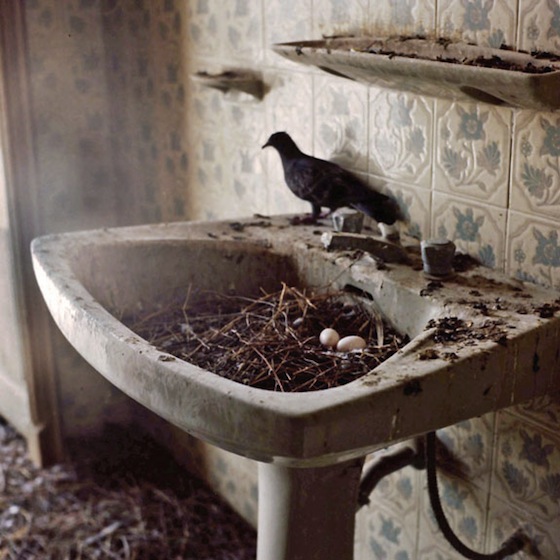
In Qatar, the birds have built their own hidden city. They live in the towers and stairwells of an abandoned palace. Their feathers carpet the ground. They build nests in the sinks of the empty bathrooms. Leave their clean, thin bones in the white sand of the courtyard. They say djinn live there, but this isn’t true. There is no room for djinn in that papery dusk of a thousand sleeping wings. The call to prayer wakes them, sends them winging aloft. I once stood in the wind of their passing. The blink of shadow and light.
City of Dogs
But where the dogs live, I haven’t found. I’ve seen them ghosting into the haze of the industrial area, starved shadows slipping behind the rubble hills. They appear sometimes with terrible injuries: a stump of a leg, the bone still protruding. A half severed tail. The skin of their neck loosened by wire collars, the flesh beneath a slick, red necklace.
This is the rumor I’ve heard. They meet in their own underground majlis, beneath the tall factories on the edge of the sea. There they howl wild poems and stage magnificent battles to please their king, who is no dog but a fierce and beautiful wolf. In fact, all dogs transform below the earth. On the surface, they appear emaciated and cringing, but don’t believe it. Beneath the skin, all dogs are wolves.
To read the two concluding verses on cats and horses go to Guernica Magazine.
Autumn Watts: “The Cities of Animals was inspired by a few things; for one, my Doha urban exploration with Kristin Giordano. The “bird palace” really exists; it was a beautiful, magnificent old derelict that we found our way into, only to discover hidden generations of pigeons living there undisturbed: layers and layers of feathers and nests and eggshells.
“Another thing was the terrible plight for street animals in Doha. I work with a local rescue organization called Cats in Qatar, which is entirely donation and volunteer driven. Street life here is extremely harsh, and there’s a shockingly high rate of abandoned animals, especially Persian cats. People will pay a lot of money to buy these status breeds, who are bred to be docile and human-centered, and then get tired of the cat or move away, and they dump them on the street. The poor things don’t stand a chance. Saluki dogs are another common dump–again, too many to count. And I’ve seen abuse injuries and other horror stories.
“But finally, what made this story crystallize was this line from Qur’an 6:38: There is not an animal on Earth, nor a bird that flies on its wings, but they are communities like you. Islam instructs compassion and care for animals, which is really beautiful to me. I think there’s a basic moral failing in what we’ve done, and what we continue to do, to animals and the environment–not just here in Qatar, but everywhere in the world. As a species, we’ve fallen short in so many ways, and there’s a deep, resigned sort of sadness in that.”
Photo via Kristin Giordano
For more animals and Qatar see:
The Shard: Qatar’s London Land Grab
Qatar (Still) Has the World’s Largest Carbon Footprint
15 Camels in Qatar Killed by Toxic Pesticides
Do Florescent Chicks and Bunnies in Qatar Alienate Kids From Nature?