
Better Late Than Never, Egypt Takes Control of Mercury Disposal

toxic waste, mercury, environmental hazards, pollution8 million fluorescent tubes are improperly disposed every year in Egypt, leaching dangerous levels of mercury into the environment. Finally, that seems set to change.

On the cards since 2007, Alexandria has finally opened up their first hazardous waste facility – mostly in order to manage mercury. Although many countries have attempted to limit the manufacture of products that contain mercury, Egypt still produces 40 million fluorescent tubes a year according to our friends at Almasry Alyoum. And nearly one quarter of them end up in landfills at best, or broken and spewing mercury at worst. After realizing how dangerous this unmanaged mercury is for the country’s fauna, flora, and people, in 2007 the Egyptian Environmental Affairs Agency (EEAA) teamed up with the Korean International Cooperation Agency (KOICA) in order to effect the Safe Disposal of Hazardous Waste Project. Nearly five years later, that collaboration has borne fruit.

With a little help from friends

KOICA, according to Almasry Alyoum, contributed $3 million to the Safe Disposal of Hazardous Waste Project, as well as the necessary training to Egyptian engineers in South Korea to ensure that the new facility operates safely.

The EEAA contributed 1/6th of the amount of money in order to see this project to fruition, but environmentalists are unconvinced that it will be successful.

Kareem Waleed from the Spirit of Youth, a Non Government Organization concerned with waste management, spoke to Almasry Alyoum:

The major concern with this initiative is how these tubes are going to be collected, stored and transported to the facilities in the first place… As of now, garbage collection systems are not even able to manage general waste, let alone segregate the garbage into hazardous and non-hazardous for efficient disposal.

What a waste

Although Alexandria is better off than Cairo thanks to assistance from Veolia, Egypt’s waste problems are numerous. Everything from agricultural waste, which contributes to the Black Cloud, to organic waste once managed by the Zabaleen’s pigs, overflows in rural areas and city streets.

Even so, the Environment Minister, Maged George, claims that his ministry has taken steps to improve the country’s overall waste management problems, while KOICA has promised to ensure that the facility in the Nasriya district is running smoothly before it withdraws its assistance.

Why mercury needs managing

The United States Environmental Protection Agency lists the hazards of mercury:

High exposures to inorganic mercury may result in damage to the gastrointestinal tract, the nervous system, and the kidneys. Both inorganic and organic mercury compounds are absorbed through the gastrointestinal tract and affect other systems via this route. However, organic mercury compounds are more readily absorbed via ingestion than inorganic mercury compounds.

Symptoms of high exposures to inorganic mercury include: skin rashes and dermatitis; mood swings; memory loss; mental disturbances; and muscle weakness. People concerned about their exposure to inorganic mercury should consult their physician.

It is particularly harmful to babies when mothers consume methyl mercury during pregnancy. Risks include a negative impact on cognitive thinking, memory, attention, and language, and even motor and visual spatial skills can be stunted.

Most people who are exposed to mercury by eating fish and shellfish that store it in their bodies. The bigger the fish, the higher the mercury concentrations since these animals consume a lot of smaller fish and the chemical accumulates since it is not excreted. Coal-burning power plants and chlorine production plants are an even more toxic source of what the World Health Organization considers an “occupational hazard.”

Not only is this the first such facility in Egypt, but it is the first to be built in the entire Middle Eastern/North African region!

:: Almasry Alyoum

More on hazardous and toxic waste in the Middle East:

A Classic Case of Whodunit Arises Over Toxic Waste in Lebanon

A Middle East Nuclear Boom Without Toxic Waste

Aussie Government Offers Uranium to the UAE

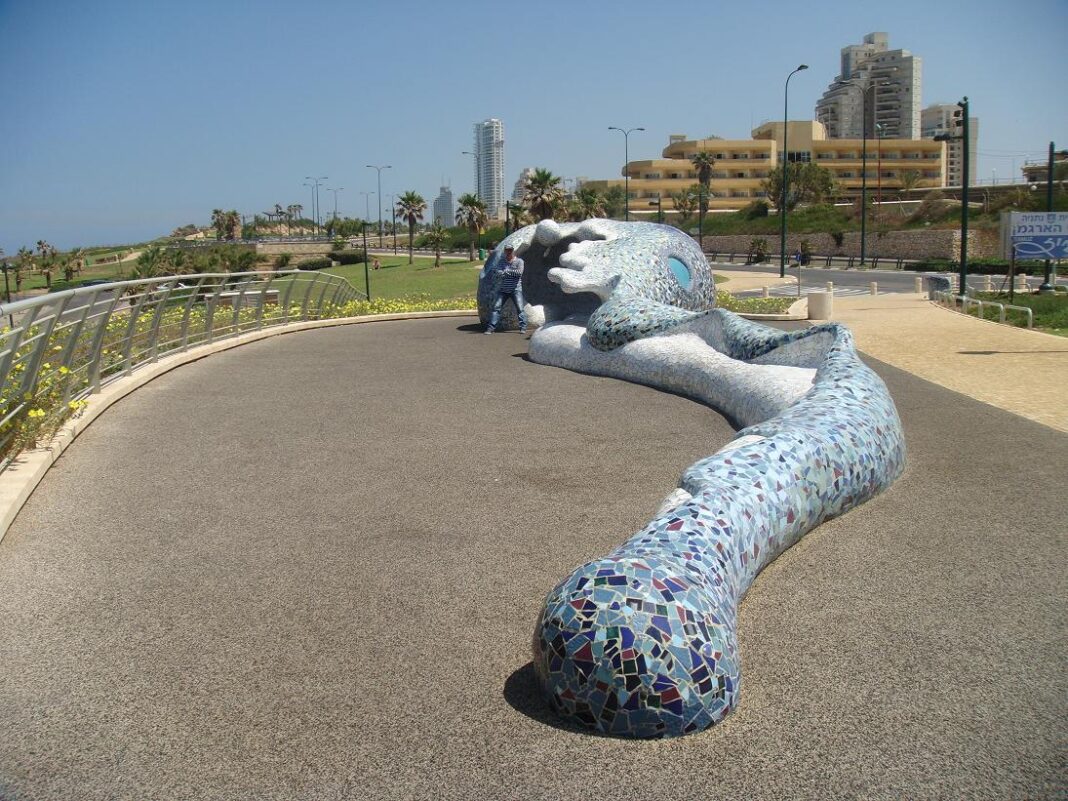
image via Steve Snodgrass
Tafline Laylin
Tafline Laylinhttp://www.greenprophet.com
As a tour leader who led “eco-friendly” camping trips throughout North America, Tafline soon realized that she was instead leaving behind a trail of gas fumes, plastic bottles and Pringles. In fact, wherever she traveled – whether it was Viet Nam or South Africa or England – it became clear how inefficiently the mandate to re-think our consumer culture is reaching the general public. Born in Iran, raised in South Africa and the United States, she currently splits her time between Africa and the Middle East. Tafline can be reached at tafline (at) greenprophet (dot) com.

LEAVE A REPLY

Please enter your comment!
Please enter your name here

TRENDING

Fishermen sue tire manufacturers on behalf of the salmon

A federal trial in San Francisco has brought US tire manufacturers, fishing groups, and environmental scientists into court over a chemical most drivers have never heard of — but which scientists say may be silently reshaping aquatic ecosystems.

Factors That Determine the Payout of Asbestos Cases

Asbestos is found in eye shadow and talc. Know your rights of this deadly environmental hazard.

Your Sweat is Unlocking Toxins in Plastic—Here’s Why Natural Fibers Matter

Natural fibers like organic cotton, hemp, and wood-based fabrics such as Tencel and modal offer a safer, breathable alternative to synthetic materials. These fabrics don’t shed microplastics, don’t contain toxic flame retardants, and allow your skin to breathe without the risk of chemical exposure.

Selling your Tesla for a conventional car? Think of the silent pollutant

By choosing an electric car, you’re not just supporting a brand or a CEO. You’re making a statement about the future you want to create. A future with cleaner air, healthier communities, and less pollution. You’re helping reduce harmful brake dust, which poses a hidden health risk to millions of people. And you’re reducing the demand for fossil fuels, contributing to a broader movement toward renewable energy and environmental sustainability.

The Textile Industry’s Dirty Secret: How Algaeing is Revolutionizing Sustainable Fashion

As consumers and brands alike search for sustainable alternatives, one company is leading the charge in transforming the dyeing industry—Algaeing. This innovative company harnesses the power of algae to create eco-friendly, biodegradable dyes, offering a groundbreaking solution to the toxic world of textile coloration.

Qatar’s climate hypocrisy rides the London Underground

Qatar remains a master of doublethink—burning gas by the megaton while selling “sustainability” to a world desperate for clean air. Wake up from your slumber people.

How Quality of Hire Shapes Modern Recruitment

A 2024 survey by Deloitte found that 76% of talent leaders now consider long-term retention and workforce contribution among their most important hiring success metrics—far surpassing time-to-fill or cost-per-hire. As the expectations for new hires deepen, companies must also confront the inherent challenges in redefining and accurately measuring hiring quality.

8 Team-Building Exercises to Start the Week Off 

Team building to change the world! The best renewable energy companies are ones that function.

Thank you, LinkedIn — and what your Jobs on the Rise report means for sustainable careers

While “green jobs” aren’t always labeled as such, many of the fastest-growing roles are directly enabling the energy transition, climate resilience, and lower-carbon systems: Number one on their list is Artificial Intelligence engineers. But what does that mean? Vibe coding Claude? 

Somali pirates steal oil tankers

The pirates often stage their heists out of Somalia, a lawless country, with a weak central government that is grappling with a violent Islamist insurgency. Using speedboats that swarm the targets, the machine-gun-toting pirates take control of merchant ships and then hold the vessels, crew and cargo for ransom.

Leopoldo Alejandro Betancourt López Turned Ocean Plastic Into Profitable Sunglasses

Few fashion accessories carry the environmental burden of sunglasses. Most frames are constructed from petroleum-based plastics and acrylic polymers that linger in landfills for centuries, shedding microplastics into soil and waterways long after they've been discarded. Leopoldo Alejandro Betancourt López, president of the Spanish eyewear brand Hawkers, saw this problem differently than most industry executives.

Why Dr. Tony Jacob Sees Texas Business Egos as Warning Signs

Everything's bigger in Texas. Except business egos.  Dr. Tony Jacob figured...

Israel and America Sign Renewable Energy Cooperation Deal

Other announcements made at the conference include the Timna Renewable Energy Park, which will be a center for R&D, and the AORA Solar Thermal Module at Kibbutz Samar, the world's first commercial hybrid solar gas-turbine power plant that is already nearing completion. Solel Solar Systems announced it was beginning construction of a 50 MW solar field in Lebrija, Spain, and Brightsource Energy made a pre-conference announcement that it had inked the world's largest solar deal to date with Southern California Edison (SCE).

Related Articles

Popular Categories