

 We know plastic is almost inescapable, but here are 6 excellent reasons to just say no!
It’s no secret. We hate plastic. We wish plastic had never been born, though we don’t really blame Alexander Parkes for inventing the stuff. How could he have known that a series of polymers bonded together would produce one of the most durable but harmful products to ever enter our food stream, our water ways, and our deserts?
In case you’re not convinced that plastic is the bane of life, check out our coverage of UAE camels that are killed by plastic, or the turtle that pooped plastic for a month. Emotions aside, we also realize that PET bottles and shopping bags are hard to resist because let’s face it, plastic is everywhere. So we wanted to shoot over a list of excellent reasons to just say no. We know it won’t be easy, but because you’ll have to come up with creative alternatives, you’ll thrive from being inventive, you’ll save the planet, and you are likely to end up with a bit of extra money in your pocket!
Okay, let’s get the depressing stuff out of the way, and then we’ll look at the more positive and enabling reasons to give up plastic.
1. Plastic Kills: It’s a fact. Plastic makes up nearly 80% of the world’s marine debris according to the United Nations Environment Program. Sea birds, fish, turtles, and mammals are prone to entanglement and ingestion. Up to 80% of sea birds and turtles ingest plastic, and as you can imagine, they rarely live long after. Even land-based animals are vulnerable, like the camels we mentioned earlier that think that translucent plastic bags are food. Nobody wants their coke caps to end up in a turtle’s belly.
2. Plastic is Toxic: During the manufacturing, consumption, and post-consumption stages of its impossibly long lifetime, plastic releases harmful chemicals that often have a deleterious effect on human health, including lead, cadmium, and mercury. Plastics also contain carcinogens and endocrine disrupters that can cause cancer, birth defects, and suppress the immune system. Read about bottled water in Saudi Arabia that was found to contain bromate.
3. Plastic Uses up Precious Oil Resources: Just because we belong to an oil-rich region doesn’t mean we shouldn’t try to conserve what’s left. Oil won’t last forever and besides, we need to get very serious about cutting our carbon emissions. What does this have to do with plastic? Every year, the United States alone consumes roughly 12 million barrels of oil to produce plastic. We don’t have worldwide figures but we can tell you that human beings consume up to 1 trillion! plastic bags every year. That doesn’t account for the numerous other forms of plastic floating around such as packaging, toys, furnishing, building materials, etc., much of which gets thrown away. That’s a lot of oil completely wasted.
4. Tap Water is Better than Bottled: Ingenious marketing campaigns have convinced travelers and every day citizens that bottled water is superior to tap water. When I meet tourists on my travels, they almost always have a one liter plastic bottle in their hands. It’s understandable to want to stay hydrated, and diarrhea is no fun, but I’m living proof that it is possible to survive tap water. Obviously in really poor areas it’s not a great idea to drink the local water, places whether water treatment facilities are non-existent, but the average tourist would not venture to those areas in the first place.
5. Save Money: Not only do we spend $100 billion on bottled water alone each year according to the National Geographic, not to mention the energy spent on production and transportation and other embodied costs, but when we buy bottled water instead of filtering our own tap water, we’re literally pouring our money down the drain. Consider a one-month tour with a bottled water drinker and a tap water drinker. Let’s say, modestly, that a liter of bottled water costs $2. If someone drinks one of those a day, and often people drink more than that, then at minimum they are spending $60 more a month than the tap water drinker. Know what you can get with that? Six nights in a hostel, for starters.
6. Creative Opportunity: When you decide to give up plastic, you have to plan, and you have to be creative. Many people will purchase a cloth bag and a non-BPA bottle to carry around, the former for groceries and the latter for water. But in the Middle East, it’s not always easy to find these conventional items on our market shelves so we can have fun looking for neat alternatives. While traveling through Morocco, after losing my cool water bottle in Dubai, I carried a small red-and-white striped ceramic jar that kept my water cool. At first the locals thought I was stark-raving mad, but in the end, they thought I was pretty cool. And since I saved oil, money, and maybe an animal or two, I felt pretty good about it too.
Plastic can be inescapable. We know that. Unless you’re Mark Boyle living out in the boonies on no money at all, or you live in a cave, you will have no choice but to have plastic in your life. But we’re suggesting some really great reasons to reduce your consumption as much as possible. It’s good for the planet, and it’s good for you!
More on plastic in the Middle East:
David de Rothschild Talks Adventure and Plastic with Green Prophet
Plastic + Ocean = Very Sick Turtle
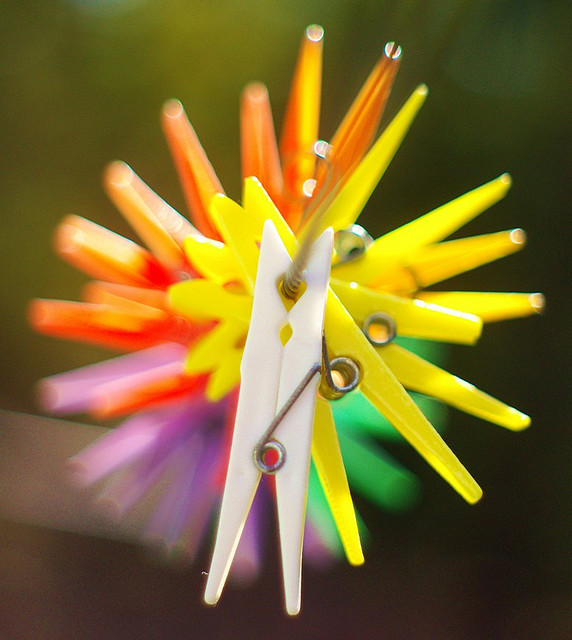
image via tourist_on_earth


Hi there: I have used tap water in Israel, Egypt, Morocco, Dubai and Abu Dhabi (the latter two don’t taste so great.) I think the point I was trying to make is that many foreigners go overboard with their fear of local tap water when it’s often perfectly good. In some situations, where there are clearly inadequate treatment facilities, I think it’s responsible to exercise caution. But I also think it’s responsible to ditch the plastic as well. 🙂
Hear hear!
Interesting article. Just a question: Drinking tap water, I am not sure if the tap water in the Middle East is advisable. I have regular health problems with the water here in Jordan though I have been her over a year as a person from Europe.
Where can you definitely recommend drinking tap water? Because I know many of Western friends who had problems with the water here in the beginning and it is important for them to know where they definitely can drink and where better not.