
When I was a kid my Grade 4 teacher said that in the future energy will be free. We’ll have found a way to make energy from water and salt, with no byproducts. Fast forward 40 years: news in the last year suggests we are closer to both hydrogen fusion and storing energy with salt.
Batteries made from salt which can store energy from renewable energy plants may sound like science fiction, but a new grid-scale deployment in the United States suggests the technology is moving closer to reality. It solves a major problem when harvesting solar, wind or geothermal energy. When the grid can’t use the excess energy it needs to be stored, or go to waste. The holy grail in renewable energy are robust batteries that can work without expensive and rare earth metals like lithium.
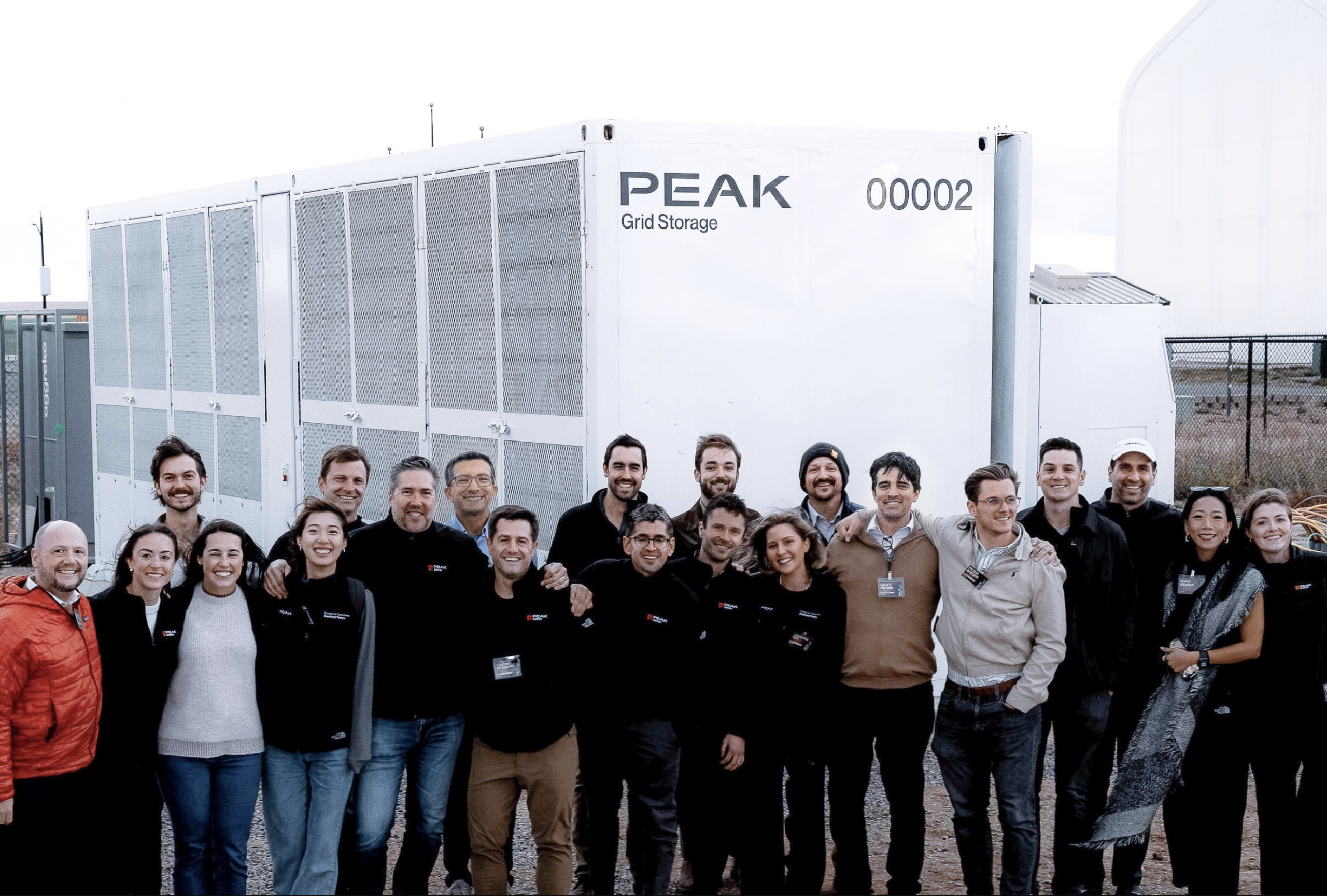
The news hook comes from a recent announcement by US energy storage company Peak Energy, which is working with RWE Americas to deploy a new sodium-ion battery system for grid storage. The project is designed to store renewable electricity from solar and wind and release it when demand rises.
Unlike conventional lithium-ion batteries, sodium-ion batteries use sodium, or salt, one of the most abundant elements on Earth and a key component of common salt. Instead of lithium ions moving between electrodes during charging and discharging, sodium ions perform the same function.
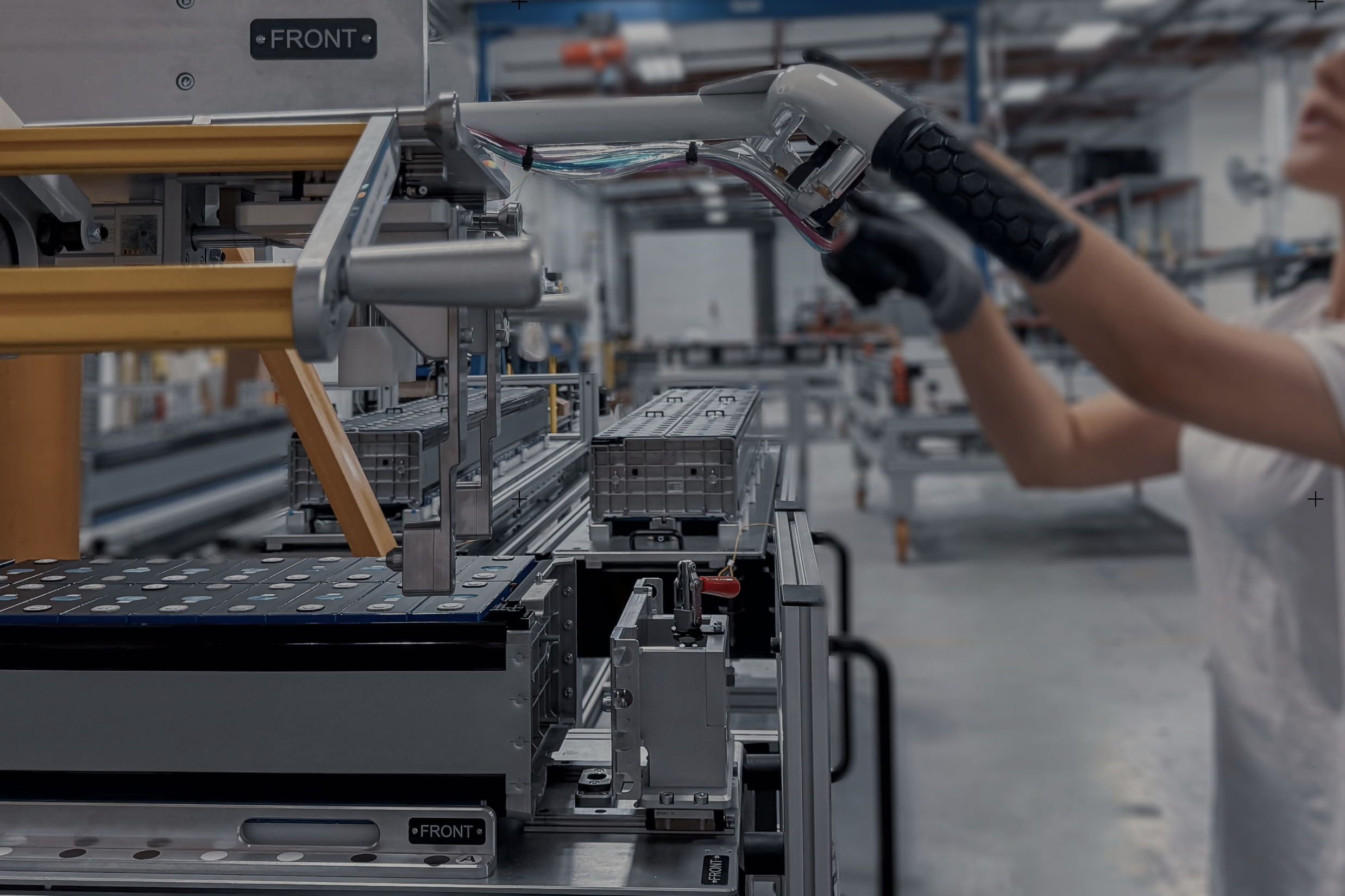
The chemistry is similar to lithium batteries, but the materials are far cheaper and easier to source. In its announcement, the company highlighted the cost advantage of the technology.
“Peak Energy’s sodium-ion battery system uses a passively cooled architecture that eliminates the need for complex thermal management systems.”
The design of the system also removes some of the most expensive components found in conventional battery installations.
Energy storage has become one of the biggest bottlenecks for renewable power. Solar panels and wind turbines generate electricity only when conditions are right, which means grids need large batteries to store excess power for later use.
Today most large storage projects rely on lithium batteries, which depend on global supply chains for lithium, cobalt and nickel. Sodium batteries could reduce those costs dramatically because sodium is widely available in seawater and common minerals.
For utilities trying to scale renewable power, the difference could be significant. If sodium-ion systems prove reliable at grid scale, they could provide cheaper, safer storage for solar and wind, making renewable electricity more affordable for power systems around the world.
Peak Energy has raised about $65 million in venture funding since launching in 2023. The company was founded by Landon Mossburg, former president of Northvolt North America and a Tesla manufacturing veteran, together with Liam Maddock, a former operations executive at Zipline who previously held supply-chain roles at Tesla, Apple and Lyft.
Their team includes engineers and battery specialists from companies such as Tesla, Northvolt and SunPower. The company’s $10 million seed round was led by US venture firm Eclipse Ventures with participation from TDK Ventures in Japan, while its $55 million Series A was led by Xora Innovation, a Singapore-based deep-tech fund backed by Temasek.
Additional investors include Doral Energy-Tech Ventures in Israel, Tishman Speyer in the United States and other global energy-tech funds.
The company is entering a rapidly emerging sodium-ion battery race, competing with major Chinese manufacturers such as CATL, BYD, and HiNa Battery, as well as Western players including Northvolt in Sweden, Faradion in the United Kingdom and US grid-storage developer Natron Energy. Unlike lithium batteries, sodium-ion systems rely on abundant salt-based materials, which could make large-scale renewable energy storage significantly cheaper if the technology scales successfully.
Looking to invest in our sustainable future? Check out Peak Energy.