The Boring Company to add a Dubai loop

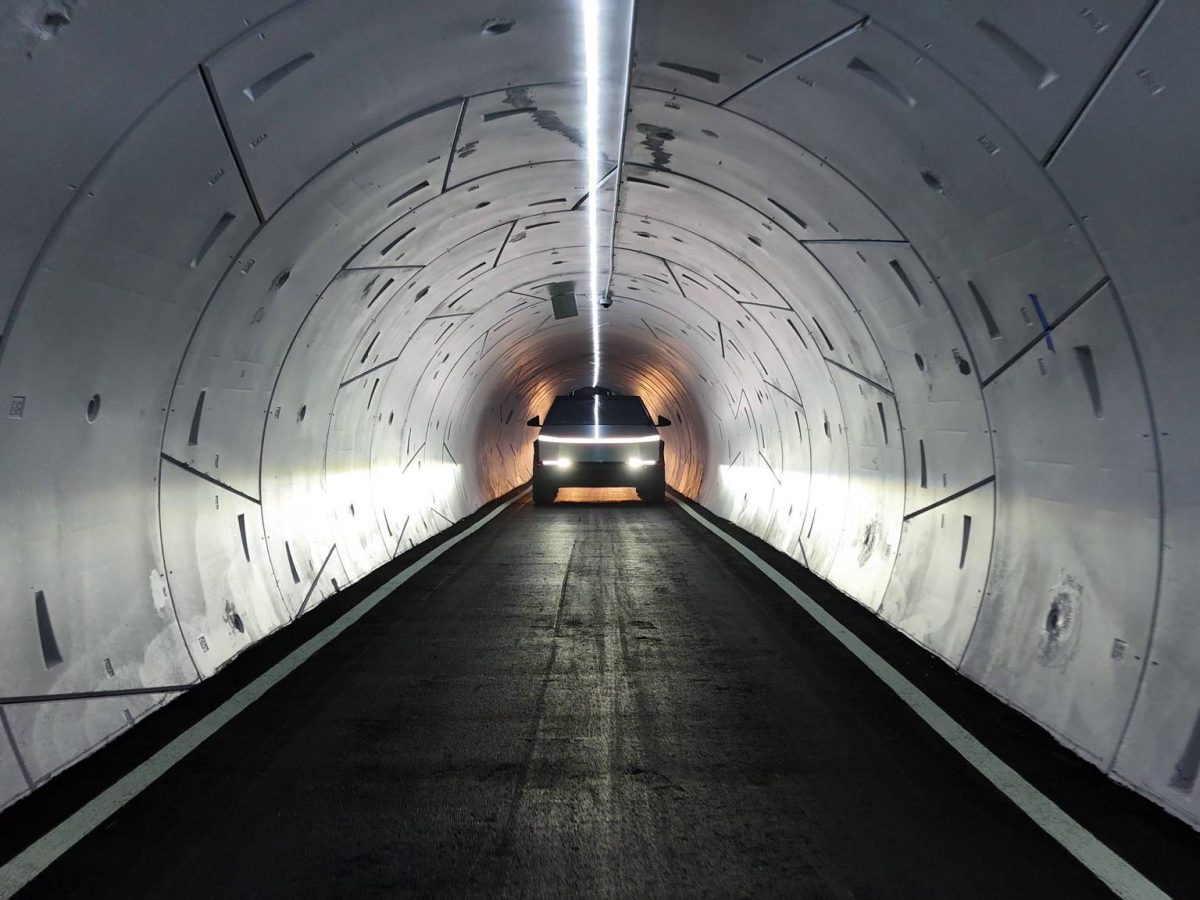
Tesla truck inside a Boring Company tunnel

It doesn’t take a genius city planner to know that tunnels under the city spare pedestrians and foot traffic in the city above. Major cities around the world have built traffic tunnels, and it’s obvious when you are in New York how tunnels can get you across the city quickly.

Tunneling is impressive but it comes with problems. London’s Crossrail project, for example, uncovered thousands of archaeological artifacts mid-construction.

Modern cities have centuries of buried infrastructure: gas pipes, water mains, electrical conduits, fiber optic cables, old foundations. Routing tunnels around all of this requires painstaking planning and coordination with dozens of agencies but Dubai, a relatively new city that’s missing even basic sewage pipes in some buildings, has a great chance to build its city from scratch right.

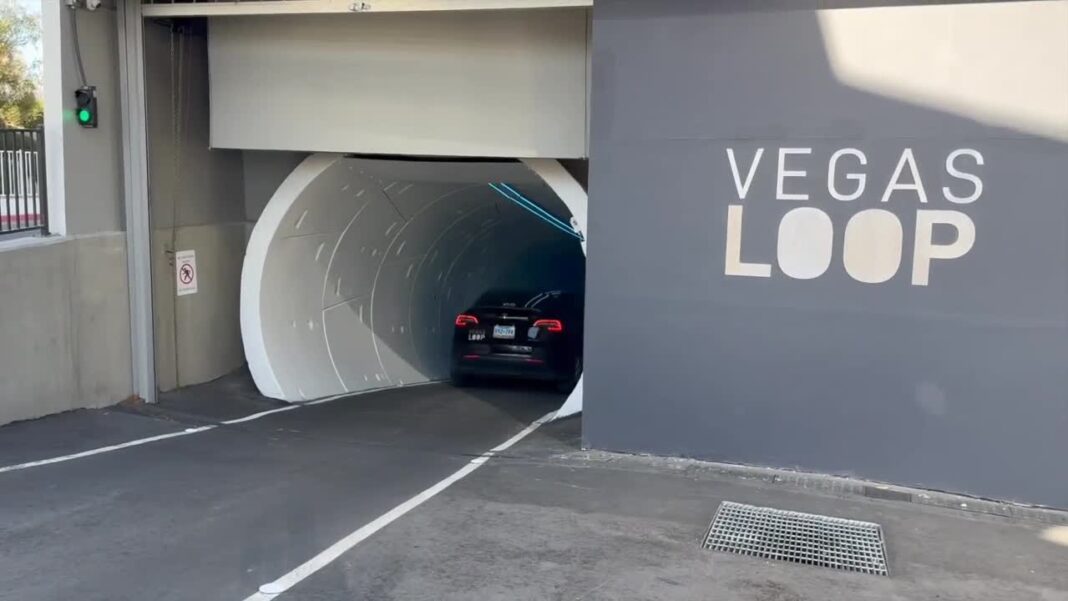
Dubai has announced this month that they will be working with Elon Musk‘s Boring Company to build tunnels in Dubai.

At an estimated $545 million for 14 miles, the Dubai Loop is actually relatively cheap by global standards: New York’s Second Avenue Subway cost roughly $2.5 billion per mile. Most cities simply can’t finance that.

Dubai’s Particular “Boring” Problem

Meet Tesla cybertruck
The Dubai police invite the public to see their Tesla Cybertruck

Dubai is sprawling, car-dependent, and built in a desert climate where surface-level public transport is actively hostile to pedestrians for much of the year. Temperatures regularly exceed 40°C (104°F) in summer, making walking between transit stops an uncomfortable proposition. Imagine how you feel when your car’s air conditioning stops working?

Underground transport sidesteps the heat. A cool, connected tunnel network with frequent stops could shift behavior in a city where the private car, and even gold Mercedes, have long reigned supreme. The pilot route will offer “first- and last-mile solutions”, meaning it’s designed to work with Dubai’s existing Metro rather than in competition with it.

If it succeeds, Dubai Loop could become a compelling model for other Gulf cities, Abu Dhabi, Riyadh, Doha, all that share the same urban sprawl, heat, and car dependency challenges.

Steve Davis, President of The Boring Company, commented that: “We are proud to partner with the Roads and Transport Authority, one of the world’s leading entities in adopting innovative solutions in the transport sector. Through this partnership, we look forward to delivering advanced, safe, and highly efficient tunnelling solutions that support Dubai’s vision for sustainable and future mobility.”

Karin Kloosterman
Karin Kloostermanhttp://www.greenprophet.com
Karin Kloosterman is an award-winning journalist, innovation strategist, and founder of Green Prophet, one of the Middle East’s pioneering sustainability platforms. She has ranked in the Top 10 of Verizon innovation competitions, participated in NASA-linked challenges, and spoken worldwide on climate, food security, and future resilience. With an IoT technology patent, features in Canada’s National Post, and leadership inside teams building next-generation agricultural and planetary systems — including Mars-farming concepts — Karin operates at the intersection of storytelling, science, and systems change. She doesn’t report on the future – she helps design it. Reach out directly to [email protected]

TRENDING

The future of trucking and freight is electric and hydrogen

For years the freight industry tried to force a...

Electric and hydrogen long-haul trucks are finally leaving the prototype era

When wars in Iran threaten oil routes, and Saudi...

Tesla Semi, electric road trains and the safer freight future after the Iran war

When the US-Israel-Iran war rattles oil routes and sends...

Batteries from salt? New grid projects suggest the idea is becoming real

Peak Energy makes storage batteries from salt making us one step closer to cleaner, endless energy from the wind and the sun

Dubai sets up smart feeding stations for abandoned cats

Dubai Municipality has set up 12 AI-powered "Ehsan Stations" to safely and officially feed strays. The city also officially supports Trap-Neuter-Return (TNR) programs. 

Nobul’s Regan McGee on Shareholder Value: “Complacency Is the Silent Killer” 

Why the governance framework designed to protect shareholders so...

Should You Invest in the Private Market?

startustartup Unlike public stock exchanges, which offer daily trading, strict...

How to build a 100-year-company

Kongō Gumi is a Japanese construction company, purportedly founded in 578 A.D., making it the world's oldest documented company. What can we learn about building sustainable businesses from them?

From Pilot Plant to Global Stage: How Aduro Clean Technologies’ 2026 Expansion Signals a Turning Point for Chemical Recycling Investors Like Yazan Al Homsi

The company's Next Generation Process (NGP) Pilot Plant in London, Ontario, has officially moved into initial operating campaigns, generating the kind of structured, repeatable data that separates laboratory promise from commercial viability.

How AI Helps SaaS Companies Reduce Repetitive Customer Support Work

SaaS products are designed for large numbers of users with different levels of experience, and also in renewable energy.

Pulling Water from the Air

Faced with water shortage in Amman, Laurie digs up...

Turning Your Energy Consultancy into an LLC: 4 Legal Steps for Founders in Texas

If you are starting a renewable energy business in Texas, learn how to start an LLC by the books.

Tracking the Impacts of a Hydroelectric Dam Along the Tigris River

For the next two months, I'll be taking a break from my usual Green Prophet posts to report on a transnational environmental issue: the Ilısu Dam currently under construction in Turkey, and the ways it will transform life along the Tigris River.

Related Articles

Popular Categories