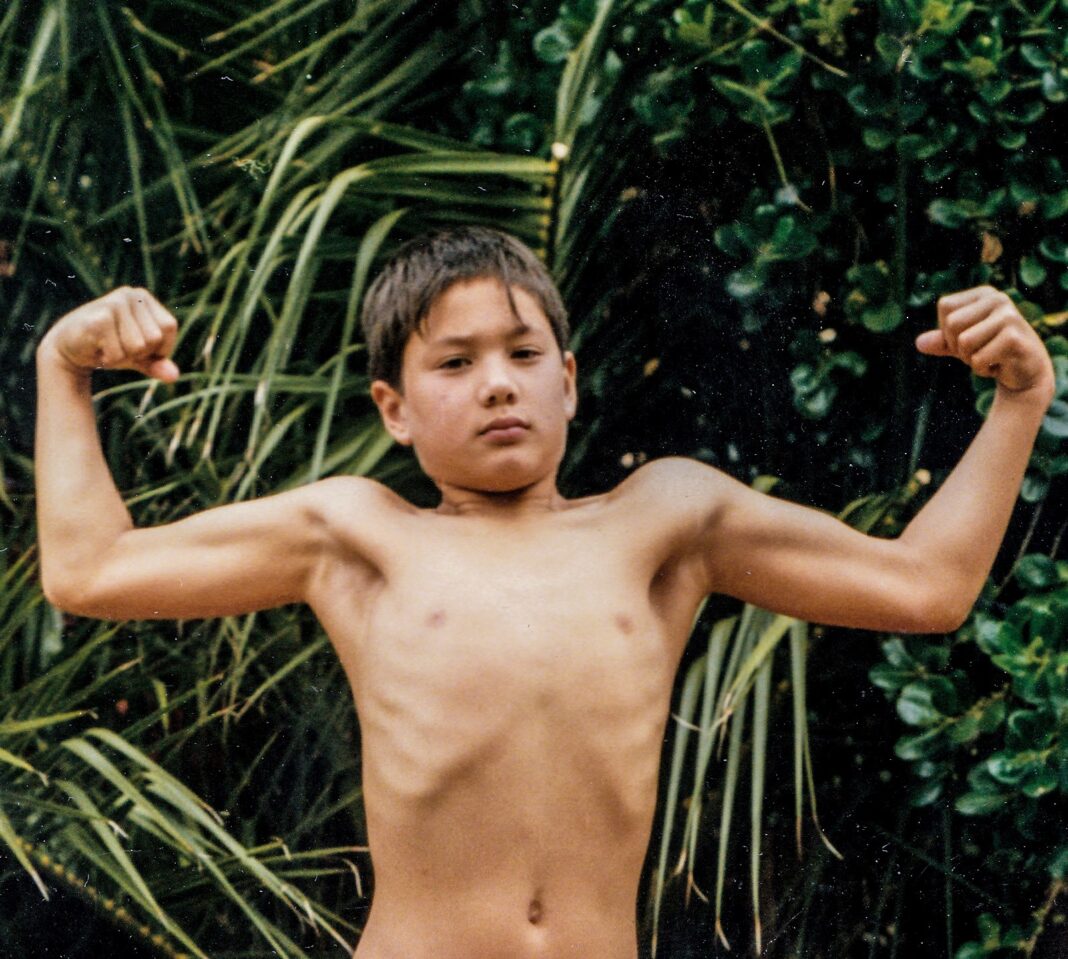

American kids seem to grow a foot on average bigger every generation. We all attribute meat and chicken, probably with extra hormones for the change in body size over generations. And as my teen boy starts his big growth spurt I try to feed him meat so he can reach his height potential. I remember by friend Ofer, a vegan, worried about his boy growing. His son Kai is now over 6 feet tall. The kid wasn’t growing along with his peers, so Ofer thought the vegan diet might be slowing his son down.
Is there something to risk when feeding our children a plant-based diet? The science now has answers, and it comes from a country of more vegans per capita than anywhere in the world.
A new study from Ben-Gurion University of the Negev (BGU) researchers and the Nutrition Division of the Israeli Ministry of Health suggests that a vegan diet can support rapid growth in children and that infants and toddlers who are vegan catch up with their peers by the time they are aged two.
The research was published last week in JAMA Network Open. It’s yet to give answers about growth and vegetarianism in teens.
This study analyzed a decade of records (2014–2023) of 1.2 million children provided by the Israeli Ministry of Health, which tracks the development of approximately 70% of the children in the country.
This massive dataset allowed the team—led by Kerem Avital, MPH, and Prof. Danit R. Shahar, PhD, of BGU —to move beyond small-scale debates and provide population-level evidence. They found Infants from vegan households closely tracked their omnivorous peers across all measurements, weight, length, and head circumference, with mean differences that were clinically minor (WHO z-score <0.2) and diminished further when adjusted for birth weight.
By age 24 months, stunting rates remained low across all dietary patterns (3.1% for omnivores, 3.4% for vegetarians, and 3.9% for vegans) with no statistically significant differences in odds between groups.
“In the context of developed countries, these findings are highly reassuring,” said Kerem Avital, lead researcher and PhD candidate at Ben-Gurion University. “The data suggests that with the proper environment, plant-based diets do not compromise the fundamental physical development of infants.”
As veganism moves from a niche lifestyle to a global health trend, BGU’s research provides the scientific “bridge” needed to inform international public health policy and nutritional counseling for the next generation.
As for now, we only have anecdotal information that a high-protein vegan or vegetarian diet does not impact growth heights in teens heading into adulthood. Michael Peterson, a father of 2 teenage boys in Ottawa, Canada, wondered if being a veggie kid might affect the growth patterns of his kids.
“My kids both went vegetarian for a number of years during some formative time,” Peterson tells Green Prophet. “I have a 6’1” 18-year-old and a 5’7” 15-year-old who I am sure based on his griping about body ache is about to burst up again.
We try and feed them wholesome, home made, veggie-based with mixed protein. With the youngest’s rock climbing obsession we have had to up the protein which he prefers getting from animals, however, he is very conscious of getting from multiple sources. Grains, nuts, etc.”
Rebecca Wolf, a mom and occupational therapist in Arizona shares her experience raising vegetarian kids: “My kids have been raised vegetarian/pescatarian since birth. They also eat eggs and dairy. They are all in the 95%+ height category for their ages.”
Skipping steak, we find out from science and anecdotes, may not stunt a child’s growth; it might challenge our assumptions about what fuels it.